


All right, time to dust off the old weekly recap and give it another rejuvenation as I reinvent it once again this year. I’d previously mentioned that I’d be calling this the Solar Report, and I’ve already given you my reasons why. Now I’m here to report on the overarching themes we experienced in Week 1.
Week 1 served as a reminder that there’s plenty of basketball left to be played and that overreactions and rash decisions need to be tempered, even when you feel they shouldn’t be. Because what seems
logical to you as a fan isn’t necessarily as logical when you get into the intricacies of a locker room, the dynamics involved, and the egos that come with them. As we look back at Week 1, it’s clear that challenges await the Phoenix Suns if adjustments aren’t made. And we’re already beginning to wonder how long it’ll take before those adjustments occur.
The shine of hope and promise, fortified by the belief in continued development, was quickly erased within the opening minutes of the season. The reality of the Suns’ current situation, combined with the flaws in their roster construction, was on full display.
Like everything in life, it’s a process. Think back to last season. A team that ultimately became one of the most beloved Suns teams in recent memory because of the way it played and executed began the season 1-4. And then something clicked. When it did, Phoenix became a team nobody wanted to play against. So with only two games in the books, I’m tempering my words and observations when it comes to the overall assessment of a team that’s still learning where to be and how to play together.
With that being said, here’s your Solar Report for Week 1.
Week 1 Record: 1-1
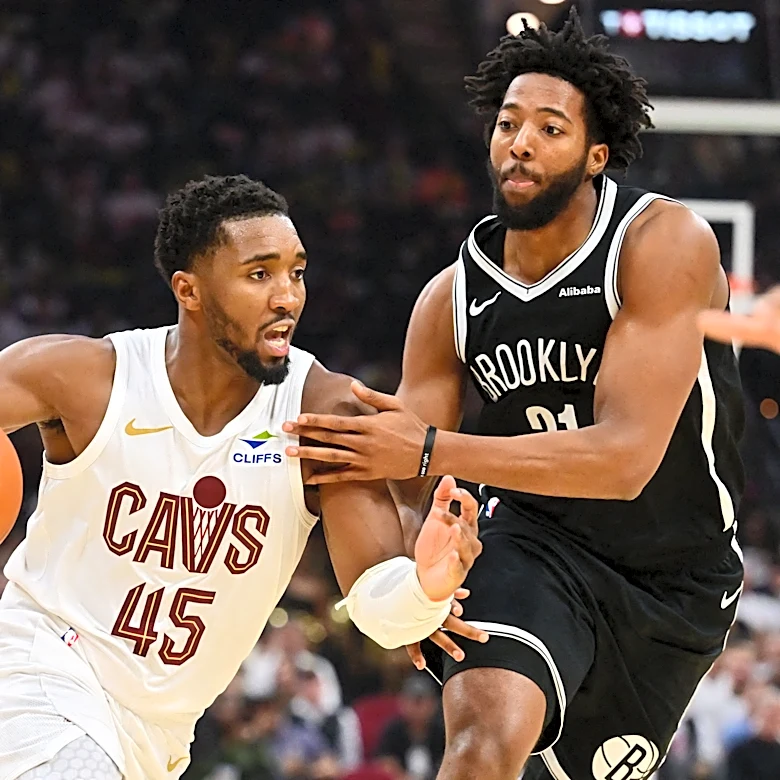
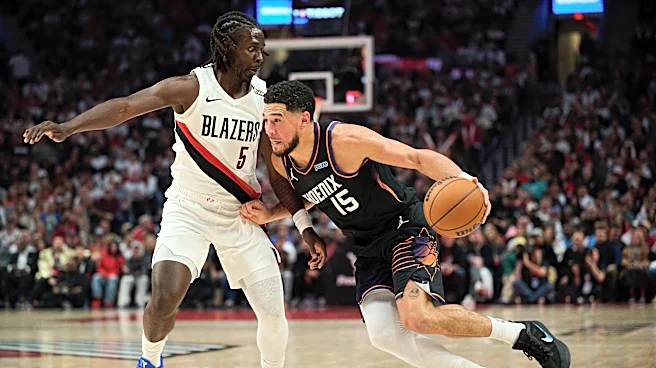
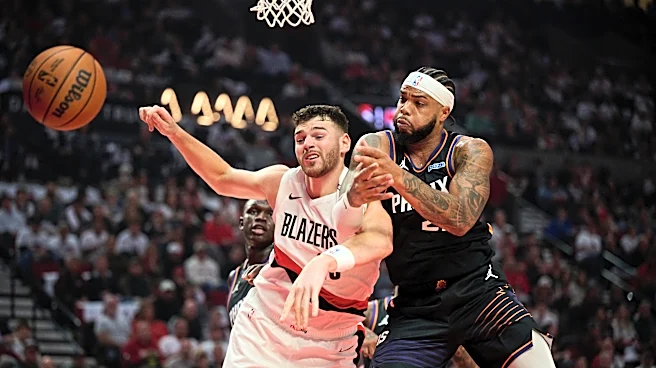
@ Portland Trail Blazers, L, 124-83
I’m going to file this under “Things I wish were permanently scrubbed from the internet”…
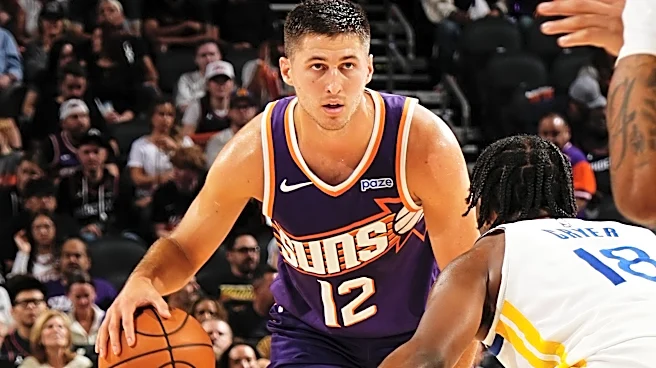
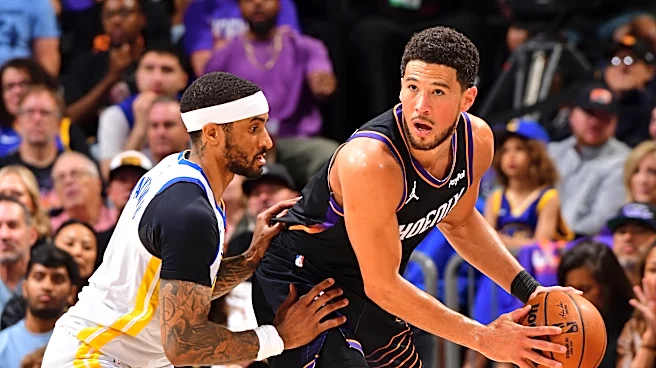
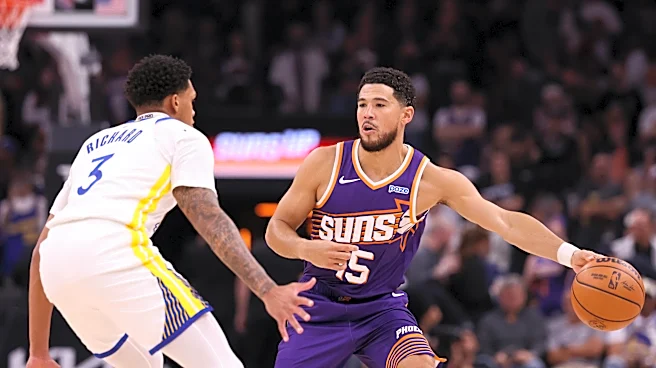
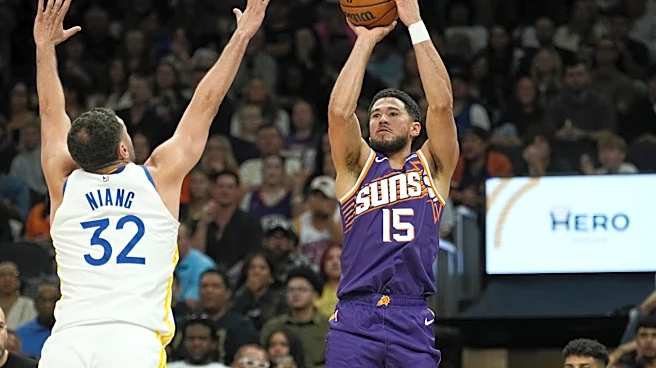
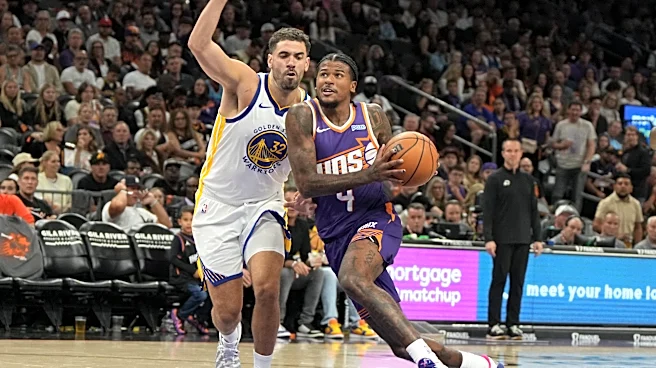
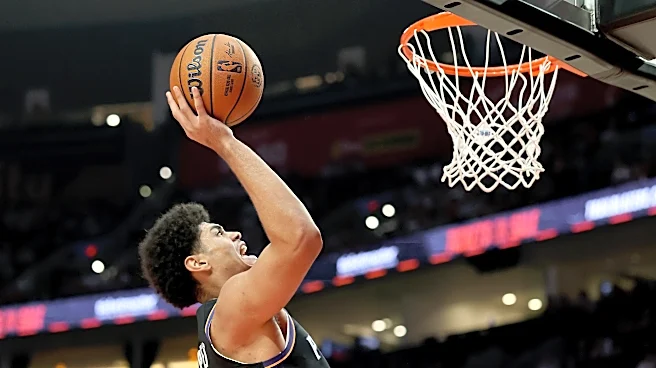
vs. Golden State Warriors, W, 131-122
A nice win in which the offense looked functional and the defense let the C Squad feel like the A squad.
Malu-Watch
Tracking rebounds plus steals plus blocks per 36 minutes through the first week (“restocks”, if you will) gives us a potential baseline for what Khaman Maluach can become. When he’s on the court, he’s statistically productive. But visually, I think we all recognize that we’re embarking on a journey filled with bumps, bruises, mental lapses, and moments of clarity. He’s a 20-year-old center who’s suddenly being asked to start following Mark Williams’ injury and Oso Ighodaro suffering an oblique strain during the first week of the season. That developmental timeline for Maluach has accelerated substantially, and we’re all along for the ride.
Looking at his Week 1 restocks production, here’s what you get:

For context, Victor Wembanyama is averaging 17.8 restocks per 36 minutes through Week 1.
What this week showcased to us, in my opinion, isn’t necessarily reflected in the statistics. Because there were plenty of minutes when Maluach was on the court and the discombobulation was evident. His positioning was less than optimal, and at times, the ability to grab the damn rebound simply wasn’t there.
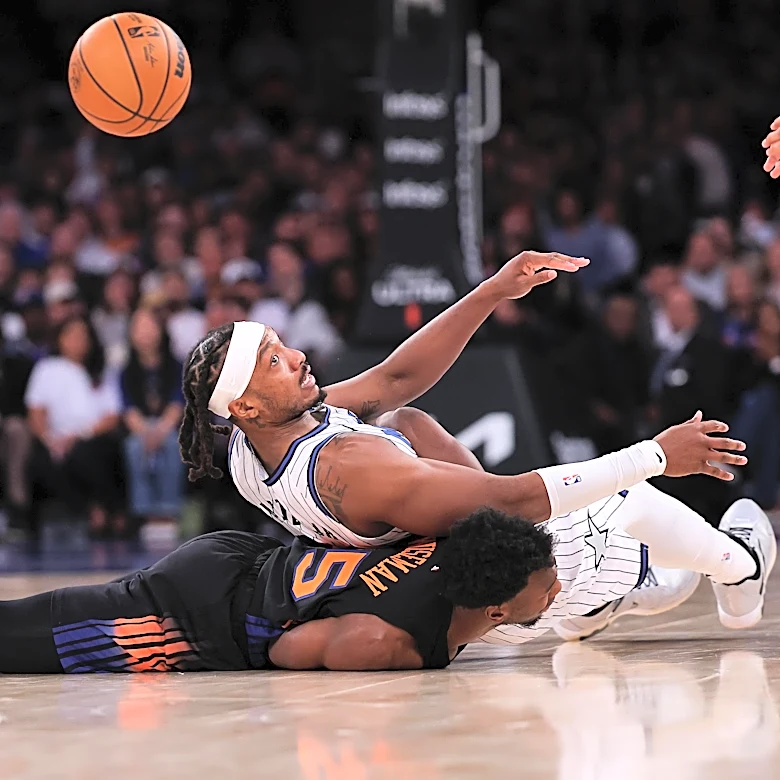
Now, you have to take all of this with some context. The Suns aren’t a great rebounding team, which I’ll get into momentarily. And when opposing teams recognize that, they have one mission: box out the one guy who can rebound and make his life a living hell. That guy is Khaman Maluach.
He’s currently leading the team with 7.5 rebounds per game through two games and possesses a defensive rebounding percentage of 16.9%. For comparison, Wembanyama sits at 15.3%. When you look at Maluach’s restocks, he’s doing a decent job of making his presence felt. But Maluach isn’t the only player responsible for securing rebounds. When opposing teams are actively boxing him out, the rest of the Suns need to step up in his stead. The attention he’s drawing should create opportunities for his teammates to slip inside and snatch some boards of their own.
Instead, it’s the opposition that’s consistently showing more activity on the glass and coming away with those rebounds. Which brings me to our next segment…
Stat Me, Dave
Back in the old Solar Panel podcast days, there was a segment in which Dave King would provide a statistic. The name of that segment, not ironically at all, was “Stat Me, Dave.” That’s what I’m here to provide every week. One statistic, or perhaps a collection of statistics, that points to a theme I’ve noticed throughout the week.
I think, without a doubt, the biggest concern surrounding the Phoenix Suns right now is rebounding.
It’s not like this was a great rebounding team a season ago. Phoenix ranked 20th in the NBA, averaging 43.1 rebounds per game, while its 49.8% rebounding percentage ranked 14th. Over the course of the season, the Suns finished with a rebound differential of minus-46 and were outrebounded in 43 games.
You could point to the advanced rebounding metrics of Miles Bridges and make the case that his addition should improve Phoenix’s overall performance on the glass. But holistically, Bridges is a slightly above-average rebounder, and his arrival hasn’t moved the needle through the first two games.

He’s averaging 5.5 rebounds per game with a rebounding percentage of 7.9%. So Bridges has struggled, and the team as a whole has struggled. Which brings me to my stat: The Phoenix Suns are currently dead last in the NBA with a rebounding percentage of 41.6%. Combine that with the fact that they’re allowing 26 second-chance points per game, the most in the league, while generating only 10.5 second-chance points themselves, the fewest in the NBA.
Everything you’re seeing with your own eyes is supported by the numbers. This team has a rebounding problem.
Next Week
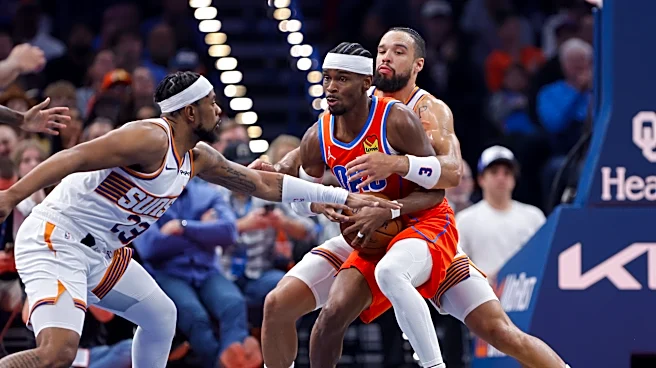
The competition gets increasingly difficult next week, although the Suns have only two games on the schedule. First up is the Oklahoma City Thunder on Monday, a team that has looked absolutely possessed to begin the season. They’re 3-0, although they’ll be playing tonight on the second night of a back-to-back after beating the Los Angeles Clippers last night.
In an unfortunate turn of events, Jalen Williams suffered a horrific ankle injury near the end of that game and is most likely done for the season. So Phoenix will be facing an emotional Thunder team following the loss of a player who fought so hard to return after missing the majority of last season. But at the end of the day, they’re still the Thunder, a buzzsaw of a team loaded with depth, length, and rebounding. They’re currently ninth in the NBA in total rebounds, averaging 46.3 per game.
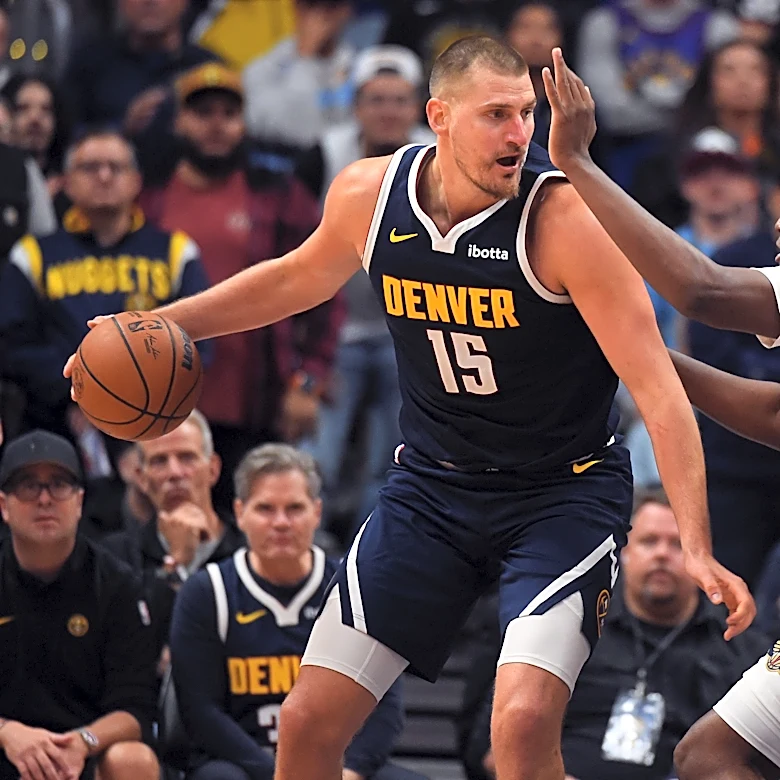
Following that matchup, the Suns get a nice little break. Three nights off for us to sit and stew over whatever happens Monday against Oklahoma City. And their opponent on Friday? The Denver Nuggets, who currently sit at 1–1.
Denver lost its season opener to Oklahoma City before beating the New Orleans Pelicans in overtime on Saturday. They’ll face Golden State and New Orleans this week before traveling to Phoenix for what will be the Suns’ first NBA Cup game of the season. Long pause…I think you know how I feel about that event, and I’m going to do my best to never mention those thoughts again.
The point is that this week, the Suns will face players with a combined five MVP awards. That’s never going to be easy.
Week 2 will present a challenge as the Suns test themselves against some of the Western Conference’s top teams while also continuing to battle themselves. What have they learned from their first two games that they can carry forward? And more importantly, can they actually put those lessons into action?
That’s it for this week, Bright Siders. Stay frosty.