


When Juventus’ long road back to relevance is discussed — hopefully in a season or two from now — one word will probably dominate that conversation: recovery.
For years, that word made sense. We have spent a while recovering from sporting decline, financial excesses, executive upheaval, points deductions, and coaching changes that all add up to the most turbulent period in the club’s modern history.
The objective, if someone had of asked us, appeared simple: get back to where we used to be. I think
we can all agree, that moment has passed. The evidence now is that this is no longer a recovery project, it is a full-on reconstruction attempt — and this has real implications for what we should expect and how we measure success. It means, bluntly, that we need to change how we think about this Juventus.
In general, recovery is about reclaiming something that already existed. It looks a little backwards and says “let’s do that again.” Reconstruction, on the other hand, tends to be more about building something that has not had a previous incarnation. This has a sense of future focus, a greater freedom to it, a possibility of difference (albeit for better or for worse). This distinction is often lost in our game-to-game football discussions, especially when we are seeing one every three or four days. However, during this avalanche of matchdays and standing back from them, I no longer see a struggling giant working towards the return of former glory. I see a new project and I see it has very different ideas about what success might look like.
The strongest evidence of this comes from looking beyond results.
When we think of progress, we usually focus on league position, Champions League placings, and trophies. Truthfully, I think reconstruction gets measured with less glamorous indicators.
Consider the club’s financial direction. Juventus reduced its overall salary expenditure by approximately 15% between 2023 and 2024 as part of a deliberate strategy to lower costs and create a more sustainable model. I’ve scoured the public internets and it seems as though the wage bill fell from nearly €200 million gross in the 2022-23 season to just below €150 million all of a year later.
At the same time, the club doubled down on moving away from the finished product, superstar-driven approach that defined the latter parts of the previous decade. (Looking at you, Ronaldo.) This is a significant shift — a very, very significant mindset shift. A club in recovery often spends aggressively searching for shortcuts, a fast return to form. A club in reconstruction focuses on creating a healthier foundation — a sustainable foundation. The idea isn’t to be a new, flash model next year, it is to improve gradually over the next five.
The profile of the squad has changed as well. Juventus’ average age has fallen significantly from the veteran-heavy groups that closed out the Ronaldo era. During the 2024-25 season, the average age of players used by Juventus was roughly 27 years old, placing them among the younger squads in Serie A. This matters because age is often a leading indicator of strategic thinking.
Older squads are designed to win immediately. Younger squads are, in theory, designed to grow. A younger squad may occasionally sacrifice short-term consistency, but it creates the potential for a longer competitive cycle. That, again, is the language of reconstruction, not recovery.
If we look at on-field measures, there we see reconstruction as well. Whether under Marcello Lippi, Antonio Conte or Massimiliano Allegri, the best Juventus sides were difficult to break down. Recent seasons felt very different. Matches could descend into chaos. Defensive certainty disappeared and the results and dropped points followed.
Let’s accept that we are not where we used to be, but still, Juventus conceded only 35 league goals during the 2024-25 Serie A season — which was among the best defensive records in Italy. That represents improvement over the previous years, and in a statistically meaningful way. They are the statistics of a side developing systems.
So, are we actually developing?
You need to measure this — if we are reconstructing — over a fair period. Are we better now than under Thiago Motta, under Igor Tudor? Yes, we are. Are we consistent and imposing, no we are not. But, to be fair, and over a little while, we can say that recent performances have been characterized by improved organization, discipline and a better collective understanding. Yes, the two goals against Napoli were beautiful, but we also deserved to win that game. While there were individual heroics, they were not born of desperation and chasing a lost game.
Those characteristics do not develop in a few weeks. They emerge from a coherent framework. The challenge for supporters is that reconstruction operates on a different timescale. Recovery is measured in months. Reconstruction is measured in years.
This distinction is important because it changes things, it influences and explains decisions. It changes recruitment and it changes financial decisions. It also changes expectations. Success is now measured by the increase in the underlying strength of the team — in the number of players that command certainty, in an identity that that can remain uncompromised under pressure, in how we rise to the occasion.
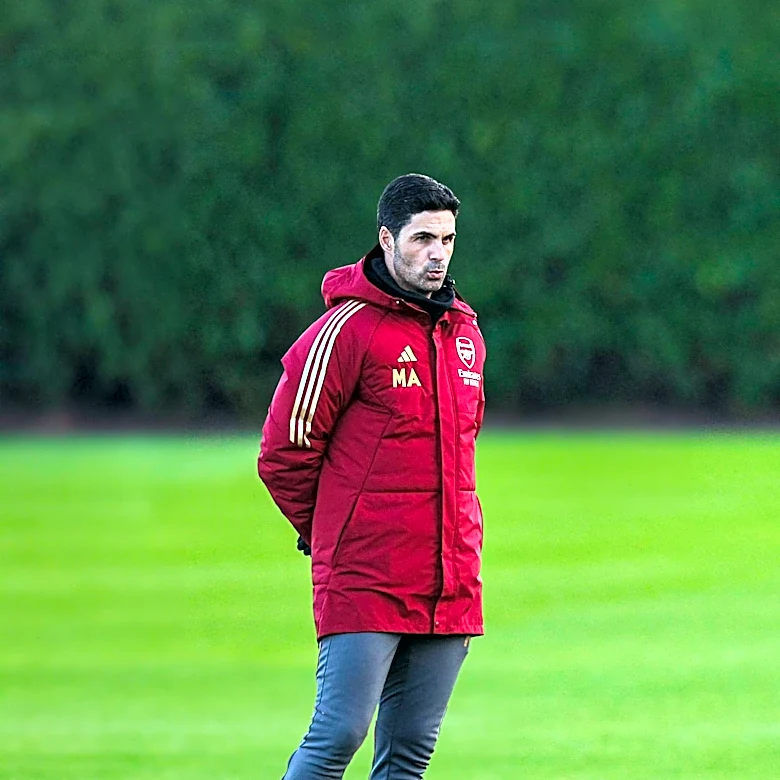
It took Jürgen Klopp five years to make Liverpool “champion” ready. Arsenal fired Unai Emery in November 2019, hired Mikel Arteta month later and finished in eighth in the 2019-20 season. I think we can reasonably look at being a regular top-four contender in 18 months, and Scudetto contender in 24 to 36 months. Maybe you can speed that up with a couple of genuine wins in the upcoming transfer windows — maybe you speed it up/slow it down with managerial change — but I think that that is the journey we are on, troops.
Until then, though, I think we are looking at a bumpy ride. I wouldn’t change manager for anything less than a genuine and proper upgrade and I wouldn’t expect a miracle overnight.
For much of the last few years, we have been chasing the ghosts of our success. Perhaps this season the most encouraging sign we can point to — and remember ourselves — is not that Juventus are finding their way back, it is that they may finally have stopped looking backwards altogether.