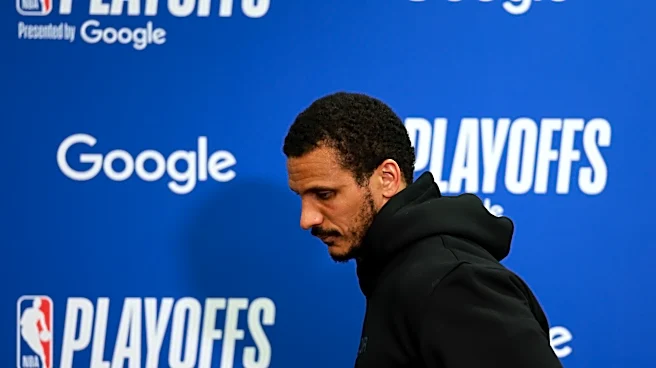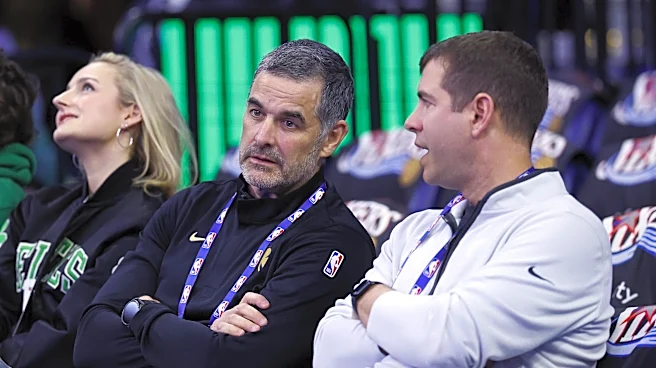




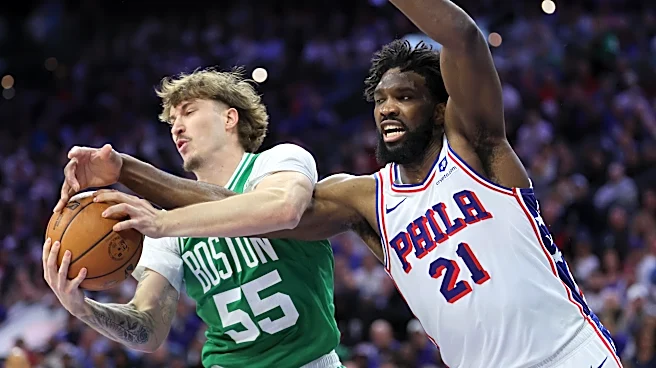
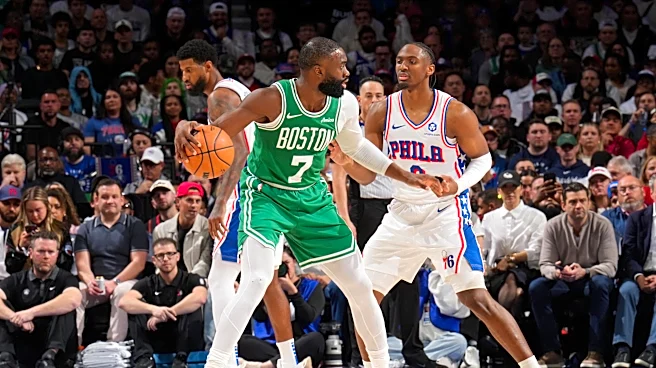
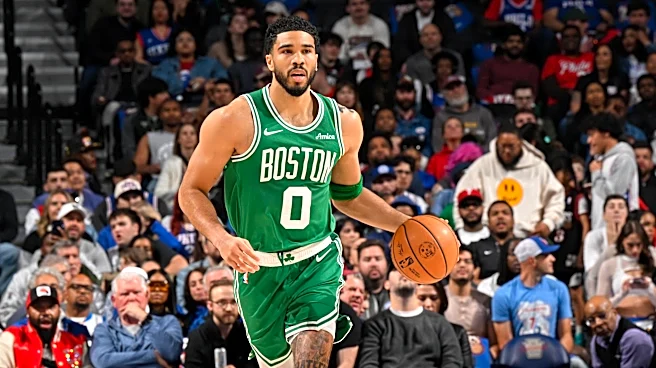
Brad Stevens earned his Executive of the Year award by resetting his team’s roster financially while also fielding a squad of productive, overachieving, high effort players with high future potential. Then the first round happened and Cinderella’s carriage turned back into a pumpkin. So for his next trick, Brad Stevens has to use that hard earned flexibility to reload this roster for the future and get that glass slipper.
For a brief reminder, the reason the team cut all those salaries last offseason
was because the current CBA was designed to break up teams like the 2024/2025 version of the Celtics. The ginormous tax bill was part of the problem, and we’ll never know how much it was a motivator. But the other big factor was all the team-building restrictions put on any team above the 2nd apron. I’m not looking to re-litigate that whole process — just pointing out that decisions were made with a stated objective to maximize future flexibility.
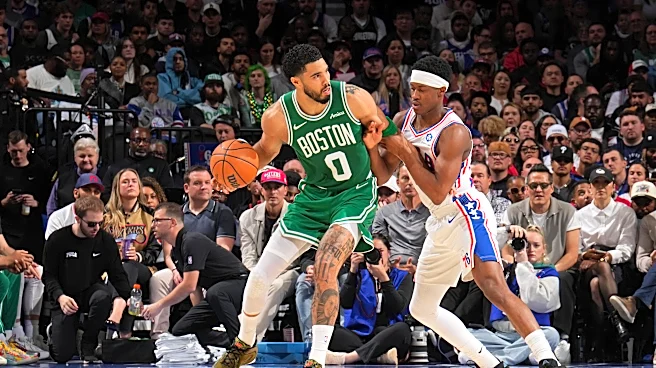
Well, the future is now. Jayson Tatum returned looking better than any could have hoped (with the unfortunate exception of Game 7) and will have a whole offseason to get back to 100%. Both Jayson and Jaylen Brown are squarely in the primes of their careers (and paid handsomely over the next 3-4 years). The singular goal of the front office is to field a championship level team this year and for the foreseeable future.
So where do we stand with the team’s books? Bobby Marks lays out the basics below.
Let’s take a closer look at some of those subjects. This is by no means an exhaustive breakdown, but a good place to kick things off two months before the draft and offseason and reset expectations.
While the team is under the tax aprons, they are still over the salary cap, which means they don’t have room under the cap to offer to free agents. (See Spotrac for a year over year breakdown of the roster). The good news is that they do have exceptions that they can use. More on that below.
Celtics Own Free Agents
The Celtics have several players that could be free agents, but nearly all of them have a team option to keep around. Some of those are no-brainers (Jordan Walsh) and others are decisions that can be made in the fall based on how the rest of the roster shakes out (Amari Williams, Ron Harper Jr., etc.).
Perhaps the most important objective is to find a way to keep Neemias Queta around. The team has a team option on him (so he’s almost certainly going to be back next year), but he’s also extension eligible. The team would be best served by picking up his option and extending off of that at (subject to what Queta is willing to agree to). The other option is to decline the option and sign him to a contract that starts off with a bigger first year value. The problem with that is that it takes away a lot of the flexibility that the team worked so hard to create.
Finally, the team has to decide what to do with Nikola Vucevic. In my opinion, they would be best served by letting him walk and using the flexibility elsewhere. There are also sign-and-trade options but I’m not sure if there’s going to be a ton of demand for his diminishing skills.
Another note: Payton Pritchard is not a free agent, but he is extension eligible as well (with one of the best contracts in basketball). I think the team would be wise to consider extending him beyond the two years left on his deal.
Free Agent Exceptions
The biggest lever the Celtics have for improving might be their Non-Tax Mid-Level Exception ($15M). They also have the Biannual Exception ($5.5M) that they could use. The asterisk here is that they will still have to make moves with an eye on the luxury tax. The trade deadline deals were made to duck the tax this year, but the repeater tax penalizes teams that are in the tax 3 out of 4 years. It is possible that under certain circumstances the team would consider it worth it to pay the taxes, but it would be an interesting decision given the cuts made this year.
The other item of note are the trade exceptions ($27.7M and others). The important note here is that the team would get hard capped at the First Apron if they used any of these. There are ways to cut costs elsewhere and/or use these exceptions in creative ways. Just don’t assume that we can simply trade for anyone making under $27.7M and call it a day.
Draft Picks
The Celtics currently own picks #27 and #40 in the upcoming draft. From what (little) I understand, the draft should be relatively deep and there could be value found. On the other hand, the team currently skews pretty young already and Brad might find better value in using those picks to trade for veteran contributors.
Your turn
So what do you think the Celtics should do next? What areas of need do you think the team should address as a priority? What would you do with Vucevic? Are there any free agents that you would target? Leave your thoughts in the comments below and let’s start a discussion.