


The coordinated denial of space
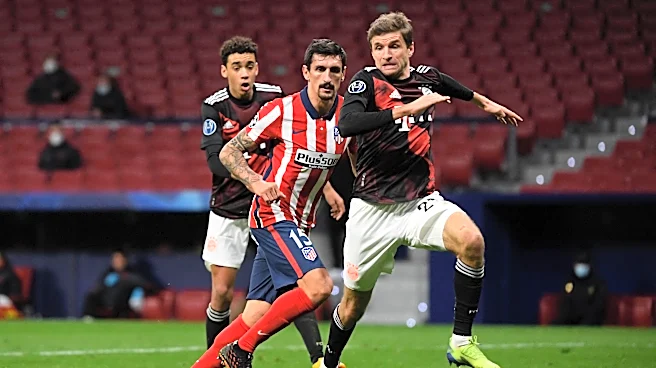
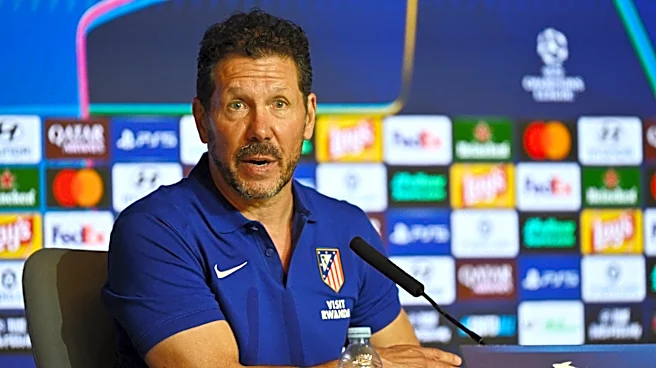
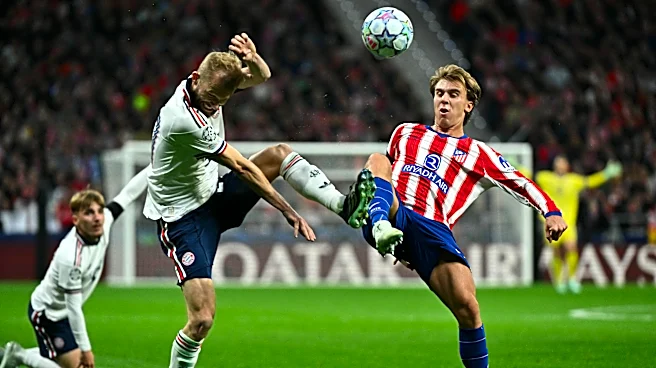
When Diego Simeone chose the lineup and tactics for Atlético Madrid this game, he knew he had to keep Bayern Munich from scoring. Goals goals goals. That’s what it all boils down to. This isn’t Manchester United. When you face the best attack in Europe, and you’re not PSG, you need to think of ways to shut it down.
To keep a team like FC Bayern from scoring, there are different things you can do. You can press high and run hard, like Freiburg and Stuttgart did. It always ends poorly. You can pack
the box and hope for the best. Sometimes it works, ask Schalke. You can contest the midfield battle and try to win it, which could have worked for Arsenal. Or you go the cynical route, with invisible fouls and fifty-fifty duels, which Borussia Dortmund used to decent effect.
None of those represent a silver bullet. No team has beaten the Bavarians yet. So Simeone went for the last possible option, the one easier said than done. He decided to deny key Bayern Munich stars space to operate.
Understanding the full tactical scheme would take too many words to describe. What the Spaniards decided was to focus their resources on key threats, mainly the FC Bayern front three. This meant taking attention away from tertiary players like the fullbacks and central defenders, which had its own tactical consequences. Here is how it worked.
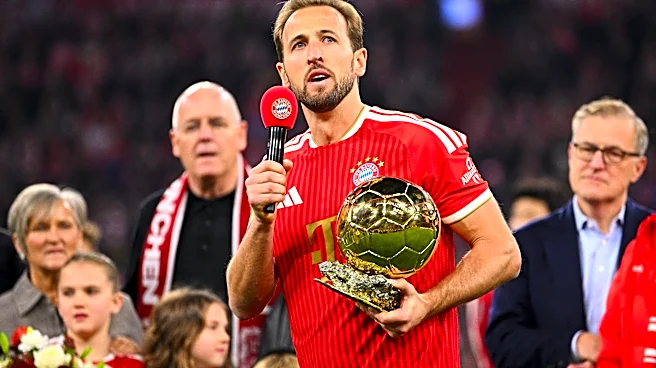
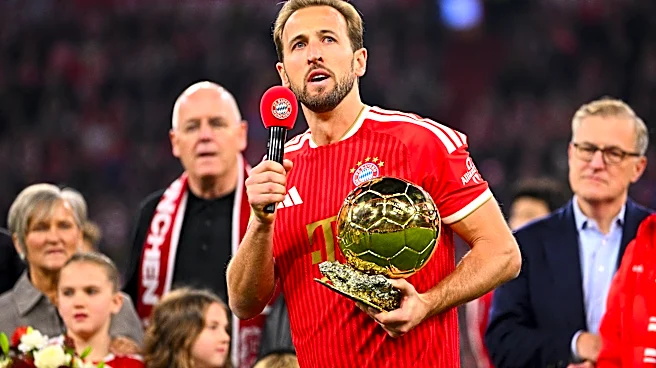
Alphonso Davies was marked wide with a standoff defender that kept pushing him onto the shoulder. It kept the Canadian from using his pace to get behind the defense, suffocating the left. Meanwhile, Michael Olise, who lacks explosive pace, was tightly marked from the get go, given almost zero room to to actually pass and dribble. Harry Kane was isolated and kept from getting easy shooting angles.
This focus came with the tradeoff that players like Konrad Laimer and Dayot Upamecano were given freedom to dominate. Simeone gambled that this was enough. He hoped that the chances which fell to players outside of the Ballon d’Or top 10 would not be converted. Unfortunately he was wrong. The fact is, there were too many chances, and too much space to cover. You cannot deny Bayern Munich everything. And if you commit too hard in one direction, you lose your threat at the other end. Simeone gambled and lost. The margins were against him.
Here’s why all of this matters. This performance was the best that one of the finest defensive tacticians in the game could come up with. It still wasn’t enough to keep Bayern Munich from winning comfortably. Despite the injuries, despite a missing coach, despite playing away from home in the UEFA Champions League.
What does that say about the team?
Why so sloooooooooooooooooooooow?
Bayern Munich could have scored far sooner, if only the team had more pace. This may be the slowest iteration of German Rekordmieister in over a decade.
Harry Kane is a demon, but he is not quick. Michael Olise can run and dribble, but his take-ons are built on positioning, not pace. The midfield had great passers, but lacks anybody who can carry with speed. All this results in a team that moves the ball too fast to keep up.
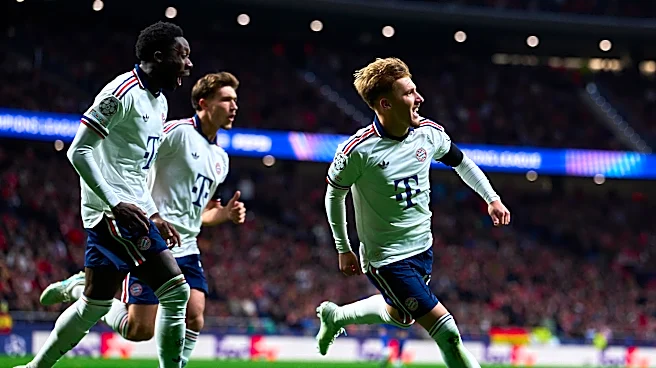
Despite the way he was marked, Alphonso Davies did quite well against Atlético. The reason is because he has true pace, the kind that lets you blitz past defenders. Konrad Laimer is not half as quick, but still has excellent raw acceleration, which gave him the edge he needed to slip past defenders focused on Olise. However, he can’t beat opponents on his own, which was evident in the attacking sequences he squandered. Meanwhile Dayot Upamecano is fast for a center-back, but he is rarely in a position to use his speed in an offensive capacity.
Here is where a player like Kingsley Coman or Leroy Sané, a Douglas Costa or Ivan Perišić, could have come into play. Those players had their limitations, but they could drive forward and give options to players on the ball. Not ideal options, but options.
Vincent Kompany has constructed a system that allows players to get the ball up the pitch rapidly. Yet you often see creators like Kane or Olise get the ball with no one to aim for. This is the problem, the pace isn’t there to take advantage. Aside from Davies, this is a largely slow team. A problem that needs to be fixed, but will have to wait for the winter window. Like so many other things.
No more peaking early
The Bayern Munich we saw from October to November of last season was the best that Bayern played in 2025-26. That is not the case with this Bayern. Despite the comfortable win over Atléti, you know there are gears left to shift through.
Luis Díaz is still injured, Jamal Musiala is unfit. Harry Kane and Michael Olise are saving energy, and Alphonso Davies is not playing his best position. The team cannot run and press for 90 minutes. Every game turns into a fine balance of game management at the death. Too many mistakes keep happening. Without Vincent Kompany, new tactics are being left on the drawing board, and the automatisms are getting rusty.
This, of course, could be a blessing in disguise. Nothing good has ever come from being the best team in the world … in October. All Bayern Munich have to do is the bare minimum. Survive the Hinrunde and regroup after the winter break. Do it like PSG.
If this team can pull it together at the right time, the potential is there to achieve amazing things. A possible Champions League, maybe even a treble. If things go right. If.
Join the conversation!
Sign up for a user account and get:
- New, improved notifications system!
- Fewer ads
- Create community posts
- Comment on articles, community posts
- Rec comments, community posts