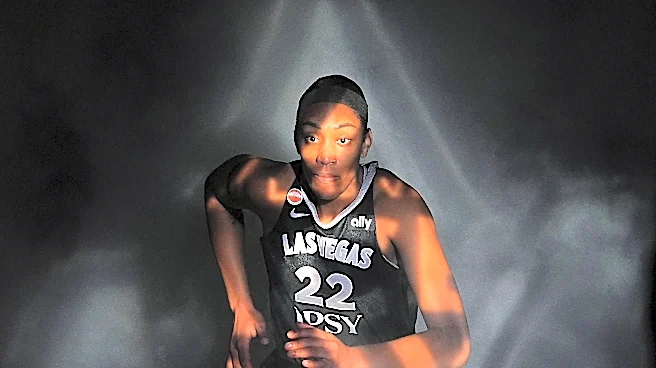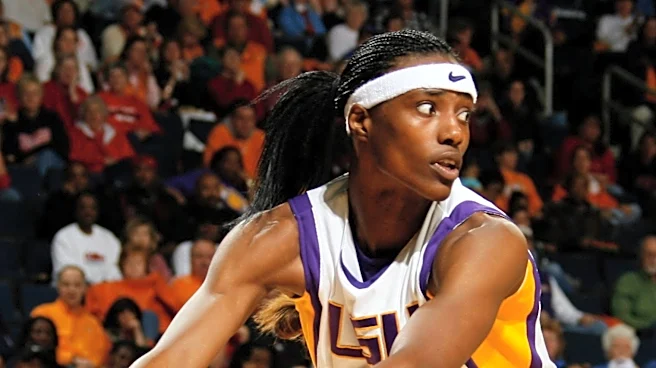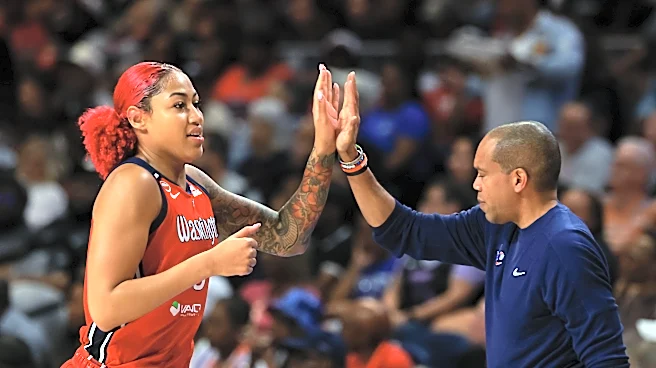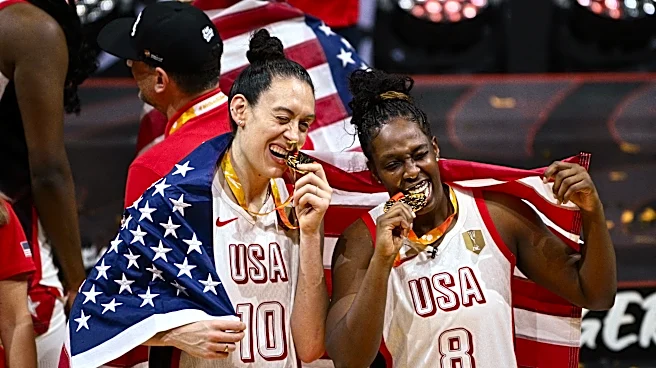




The WNBA Defensive Player of the Year conversation has largely been a footnote in the minds of the women’s basketball public.
Are the usual, leading frontrunners actually the most deserving of this award? Two candidates stand out with the strongest case for this year’s DPOY award.
Here’s more on those two contenders. In the comments, let us know who you think the WNBA’s best defender has been this season.
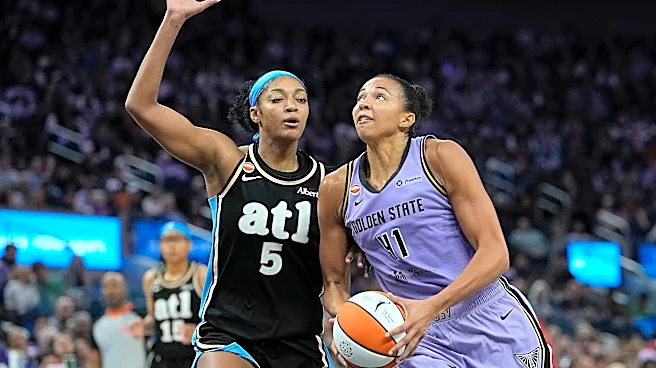
Angel Reese (Atlanta Dream)

When the season started, Angel Reese was playing out of her natural power forward position. With
Brionna Jones out for the majority of this year, that hasn’t been a problem for Reese and this Atlanta defense, who has posted the fourth-best defensive rating in the league 106.9.
Reese’s impact on the team’s defense has been loud across the board. Atlanta has a 102.7 defensive rating in Angel’s minutes this season, which is the second-best mark in the entire league of any player that has played at least 1,000 minutes. When she goes to the bench, the Dream defense drops by 14.2 points per 100 possessions—the largest change of any qualifying player.
On-off data is largely depending on the level of the replacement player, and Atlanta has lacked depth to keep their defense afloat without her in the lineup. Nevertheless, Angel’s ability to anchor such a dominant defense in her minutes is largely because of the areas she impacts the most in her minutes, rebounding and forcing turnovers.
Atlanta ranks first in defensive turnover value and second in defensive rebounding value, which are stats that estimates how much of the team’s defensive rating derives from their productivity in those categories. Essentially, Atlanta’s elite defense comes from exceptional possession control, forcing turnovers and preventing teams from getting second chances.
On top of that, Angel has guarded more pick-and-rolls than any other player in the league and teams are only posting a 77.2 defensive rating when the ball handler targets her in screens. Put simply, it flat out doesn’t work trying to attack Angel. She’s terrific guarding the screener in these actions as well, and ranks ninth in forced turnovers per game and is second in defensive rebounding percentage.
When it comes to defensive versatility, Angel has been the gold standard this season. Her ability to absolutely control possessions on defense with her hands and rebounding ability are just part of the many ways she is helping Atlanta produce one of the best defenses in the league in her minutes.
Veronica Burton (Golden State Valkyries)

While Gabby Williams has gotten most of the credit for the Valkyries defensive success, I actually think Burton has been the most impactful defender for Golden State. The Valkyries have a 98.6 defensive rating in Burton’s minutes this year, which is first in the league, four points ahead of Angel’s 102.7.
Her on-off swing isn’t as drastic, but I think this largely speaks to the infrastructure and abundance of guard and wing defenders at Golden State’s disposal. Burton is so important to Golden State’s ability to force turnovers. They are third behind Atlanta and the Minnesota Lynx in defensive turnover value and Burton is third in the entire league in forced turnovers per game.
Not only is Burton a productive defender, but she also takes matchups on the perimeter and is phenomenal in all aspects of defense. Opponents are posting a 47.6 percent effective field goal percentage with Burton as the closest defender, which is 10th among 44 players that have guarded at least 300 shot attempts.
It’s also worth pointing out that Golden State isn’t just the best defense in the league. No, they are one of the best defenses of all time. The 2026 Valkyries rank second in relative defensive rating since pbpstats.com started tracking defensive efficiency in 2009. The -9.07 relative defensive efficiency mark trails only the 2021 Connecticut Sun (-9.09) by less than two tenths of a point, which makes it extremely likely they break that record by the end of the season.
Whether it’s holding Kelsey Mitchell to 20 percent effective field goal percentage or Arike Ogunbowale to 29 percent effective field goal percentage, Burton has defended some of the best guards in the league at an elite level and is doing so on the best team defense in the league, while playing the most minutes on the team.
The last guard to win the Defensive Player of the Year was Alanna Beard in 2018, it might be time to make some room for Burton in that category