



Most Major League Baseball trade deadline deals swap top minor-league prospects for proven big-league talent.
Why? Playoff-contending teams are willing to gamble their future away to secure a postseason berth. Participating in October baseball is worth the risk.
Padres gambled and possibly won deadline deal
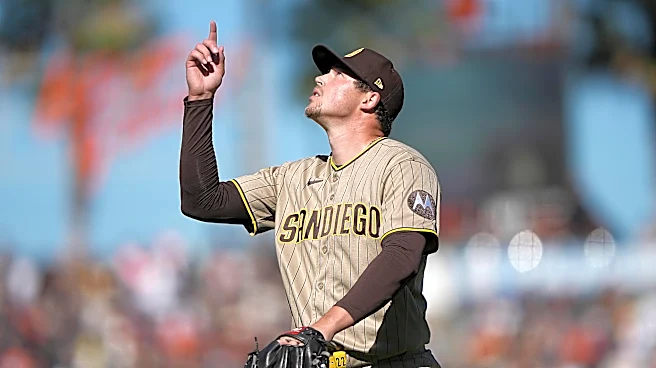
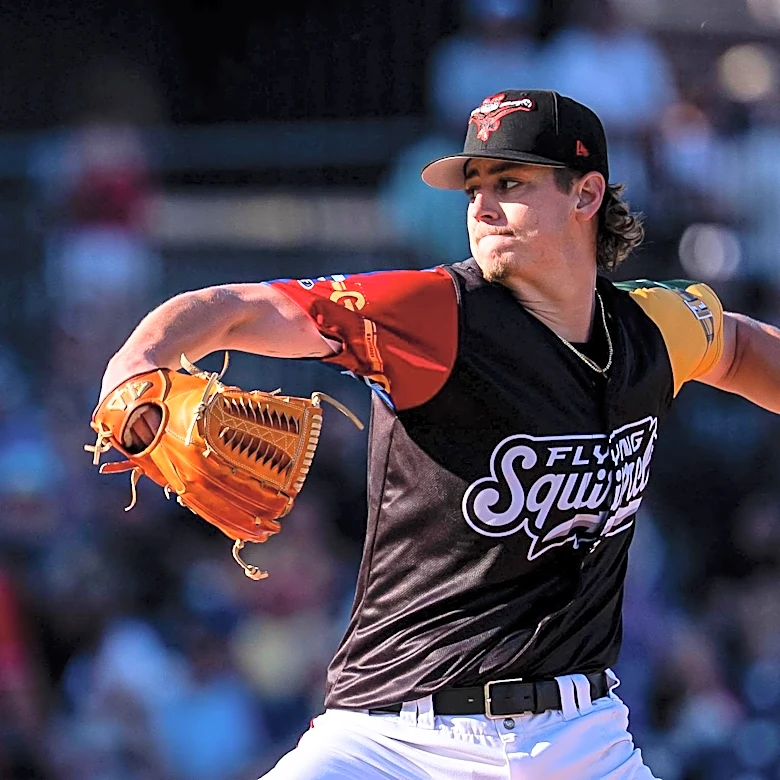
Last summer, the San Diego Padres acquired reliever Mason Miller from the Athletics for a package of minor-league talent, including the organization’s top prospect, Leo De Vries.
Since arriving in San Diego, Miller has elevated the Padres bullpen
to elite status. The right-hander has posted a 1.04 ERA over 80 appearances and struck out 162 batters in 86.2 innings pitched. No question, he is a foundation piece of the franchise.
Friars President of Baseball Operations and General Manager A.J. Preller has a “win-now” mentality, and he saw an opportunity to trade for the game’s premier closer, who is not eligible to become a free agent until after the 2030 season. To complete the deal, Preller had to give up the organization’s top positional prospect.
Once it became official, the argument began over who won the trade.
Why positional prospect injuries only count when they happen
Most personnel departments would never trade a top everyday minor league prospect for a pitcher who perhaps is one of the best in baseball. The reason is that a positional prospect has his whole baseball career ahead of him. A pitcher is one throw away from an arm injury.
However, the narrative changes if the positional prospect sustains a major injury. That is why the news about De Vries was heartbreaking, as he is scheduled to have shoulder surgery this week. De Vries will be sidelined for approximately eight months.
The 19-year-old switch-hitter injured his right shoulder sliding head-first into a base. De Vries tried to play through the pain, but increasing shoulder instability ultimately led to an MRI. It revealed an anterior labrum tear.
The pending surgery will delay his major league debut until later in the 2027 season. The anticipation of De Vries’ arrival is high, and why not? He batted .290 with 13 HR and 55 RBI in 93 games. But the fear that De Vries may never return to his former self has crept into everyone’s minds.
The unfortunate shoulder injury has put the Padres ahead of the Athletics in the Miller-De Vries trade.
The Friars are counting on their closer to end the game that secures their postseason berth.
For top prospects, it is all about the hard work they put in to achieve their dream of playing in the majors. De Vries is young enough to rebound and have a very respectable major league career. But time will tell if he can become a difference-maker in the sport.
This story is not over; it has only just begun.