

Actually, NOPE. Ain’t gonna be no deep dive. We all have better things to do.
In short though, the overall results were some combination of:
- Widespread talent misevaluations
- A coach unable to find answers (if answers even existed due to the roster he constructed)
- Inefficiencies in execution
In terms of big picture stats, three things jump out to combine for a mega NOT GREAT, BOB. Via KenPom, here are Ole Miss’ rankings in adjusted tempo (possessions per 40 minutes), offensive rating, and defensive rating, all of which are adjusted for opponent strength:
- Adjusted tempo: 255th (out of 365)
- Offensive rating: 85th
- Defensive rating: 82nd
The adjusted tempo tells us that Ole Miss’ offense is not in a hurry, and they do not speed up
opposing offenses or do things to generate extra possessions. Now, a slower tempo is fine if you’re efficient on offense and defense.
For example, check out the adjusted tempo of KenPom’ top 10 teams:
- Duke: 287th
- Michigan: 16th
- Arizona: 48th
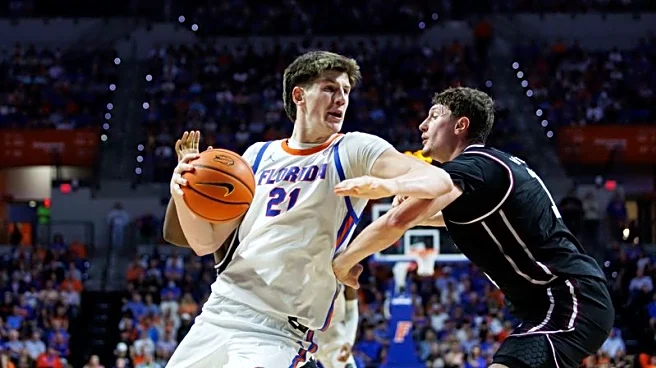
- Florida: 25th
- Illinois: 276th
- Houston: 350th
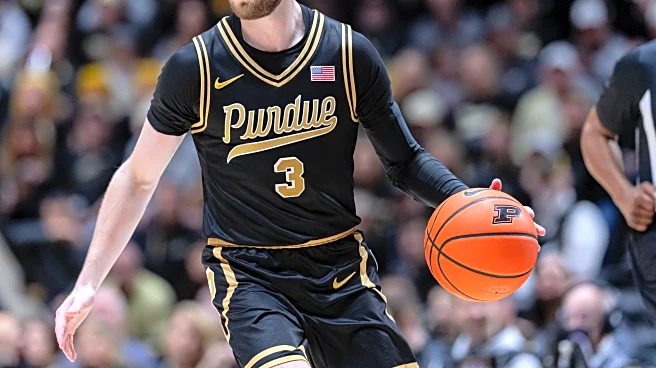
- Purdue: 298th
- Michigan State: 277th
- Iowa State: 226th
- Connecticut: 311th
Most of those numbers are worse than Ole Miss’, but those teams are all outrageously more efficient than the Rebels’ 85th (offense) and 82nd (defense) rankings
- Duke: 4, 1 (respectively)
- Michigan: 5, 2
- Arizona: 8, 3
- Florida: 9, 4
- Illinois: 1, 27
- Houston: 14, 7
- Purdue: 2, 32
- Michigan State: 32, 6
- Iowa State: 24, 8
- Connecticut: 20, 12
The lesson being, if you’re going to plod, be efficient at plodding. Of note, if Michigan, Arizona, and Florida have a bad night on offense (like, say, in a single-elimination tournament), their pace gives them a chance to negate that. The other seven teams may not have that chance.
You may recall in 2018, when one-seed Virginia lost to 16-seed University of Maryland, Baltimore County (UMBC) in the first round. That Virginia team checked in at 351st in adjusted tempo.
Granted, they were 31st in offensive efficiency, which is worse than the teams above, but they were the best defensive team in KenPom. They had a terrible night on offense in a game with limited possessions. Not a great formula!
Anyhow, that’s a long way of reinforcing the point that Ole Miss plays slowly and isn’t good at it. For the record, last year’s Sweet 16 team was 143rd in adjusted tempo, 22nd on offense, and 23rd on defense.
Finally, let’s look at the Four Factors, which are four key statistics that relate to winning. These factors are:
- Effective Field Goal Percentage (eFG; measures efficiency and valuing 3-pointers more)
- Turnover Percentage (how often a team turns it over per 100 possessions)
- Offensive Rebounding Percentage (percentage of offensive rebounds a team gets)
- Free Throw Rate (how often a team gets to the free throw line)
The idea being, if you have good numbers in all these categories, you’ll be more efficient on offense and score more points. And if you prevent teams from doing well in these categories, you’ll be more efficient on defense.
Here are Ole Miss’ offensive rankings (out of 365 and not adjusted for opponent strength):
- eFG: 262nd
- TO percentage: 21st
- OR percentage: 259th
- FT rate: 227th
They don’t turn it over, but they can’t shoot efficiently, grab rebounds for extra possessions, and get to the free throw line. So their offensive success is dependent on having the stars align for a good shooting, rebounding, and free throw attempts night.
Compared to last year’s team, they’re notably worse in eFG (174th last season) and FT rate (105th). They did manage to hold steady in TO percentage (4th) and improved in OR percentage (317th).
Here are Ole Miss’ defensive rankings (out of 365):
- eFG: 218th
- TO percentage: 181st
- OR percentage: 300th
- FT rate: 323rd
Being a terrible defensive rebounding team has been a problem since Chris Beard arrived. Last year’s Sweet 16 team was 239th, but they offset that by being better eFG defense (181st) and a great team in turning offenses over (47th). They were still terrible at free throw rate allowed, checking in at 334.
The big change for Ole Miss defensively this season was being marginally worse at eFG, OR percentage, and FT rate, while being dreadfully worse at generating turnovers.
It’s also important to note this was not a hard luck team as has been suggested. That should be obvious when they’re 1-11 in their last 12 SEC games, which included a 10-game losing streak. Those are things bad teams do.
But let’s breakdown all 13 SEC losses:
- 7 have been losses of 11 points or more
- Of the 6 single-digit losses, 3 have been by 7 points (3 possessions) or more
- That means 3 of the 13 losses have been one possession games
In the four SEC wins, their point differential is +16, meaning they’ve won those games by an average of 4 points (wins of 7, 6, 2, and 1). The last time they beat a non-SWAC team by double digits was on November 14th when they won 82-60 over Cal State Bakersfield. In fact, they have just 3 double-digit wins all season (Southeast Louisiana, Louisiana Monroe, and Bakersfield).
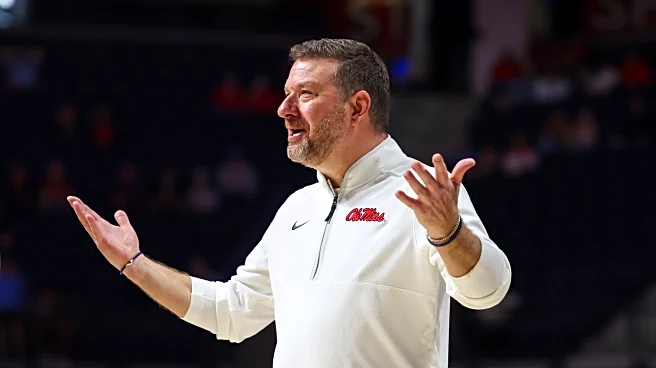
They’re a bad team that does very little consistently well, and the season will come to a close by Friday of the SEC Tournament. After that, the biggest questions about Ole Miss men’s basketball will be whether Beard comes back for next season and, if he does, how massive is the roster overhaul.