
On Tuesday, the WNBPA shared their latest collective bargaining agreement (CBA) proposal with the WNBA.
In a statement to ESPN, a league spokesperson called the proposal “unrealistic,” an indication of the wide gulf that remains between the two sides as the scheduled start of the 2026 WNBA season is now less than 80 days away.
The disagreements between the WNBA and WNBPA persist due to the primary point of contention throughout CBA negotiations: revenue sharing.
In this most-recent proposal, the union
seeks an average of 27.5 percent of gross revenue, meaning revenue deducted before expenses, over the term of the deal. In the first year, players are asking for 25 percent of revenue with a $9.5 million salary cap. According to Front Office Sports’ Annie Costabile, the length of the WNBPA proposal is five or six years.
These demands are a concession from the players’ December proposal, which had players receiving an average of 31 percent of gross revenue over the life of the agreement. In the first year, players would have garnered 28 percent of revenue, with the salary cap set at approximately $10.5 million.
The league’s latest proposal, which they shared after the two sides met face-to-face in New York in early February, would grant players 70 percent of net revenue, meaning revenue after the deduction of expenses. For comparison, 70 percent of net revenue would be less than 15 percent of gross revenue. The league has presented a $5.65 salary cap for 2026.
Essentially, the WNBA and WNBPA proposals feature an approximately 12.5 percent gap in gross revenue sharing for the first year of a new CBA, in addition to an almost $4 million salary cap gap.
The WNBA, which forecasted that the WNBPA’s December proposal would result in $700 million in losses, an estimate the union called “absolutely false,” indicated to ESPN’s Alexa Philippou that the union’s new proposal would produce $460 million in losses over the term of the agreement.
The full statement from the league reads:
The Players Association’s latest proposal remains unrealistic and would cause hundreds of millions of dollars of losses for our teams. We still need to complete two Drafts [a two-team expansion draft and college draft] and free agency before the start of training camp and are running out of time. We believe the WNBA’s proposal would result in a huge win for current players and generations to come.
What about WNBA player housing?
Revenue sharing is not the only continued difference between the two sides, as the players countered the league’s latest housing policy.
After previously seeking to eliminate teams’ responsibility for player housing, the WNBA offered to provision one-bedroom apartments for players on minimum salaries for the first three years of the new deal, while every teams’ two newly-added developmental players would have studio apartments.
The union is asking the league to require teams to continue to provide housing support for players over the first few years of the new deal before phasing out that obligation for players on fully-protected, multiyear maximum and near-maximum contracts, according ESPN’s Philippou.
On players’ prioritization of housing support, FOS’ Costabile reported:
Securing considerable housing benefits remains a priority for the union because of the length of the season and instability of certain players’ contracts. The WNBA regular season is roughly five months long, spanning between May and September. Obtaining temporary housing for such a short window, specifically in markets like New York, Chicago, Los Angeles, and San Francisco has sparked concern from players.
What else needs to be resolved in CBA negotiations? And by when?
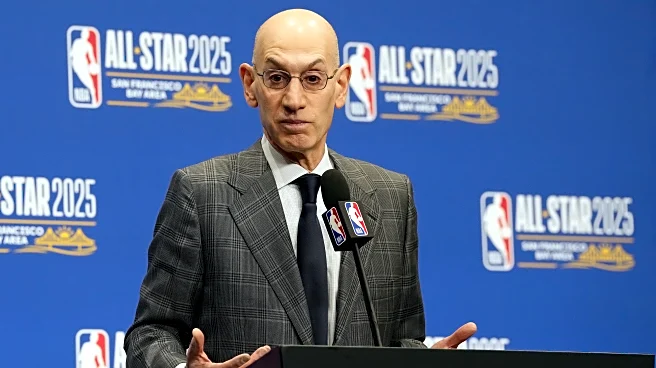
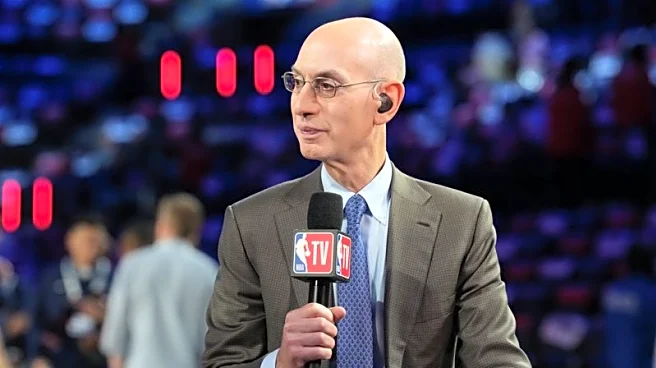
Asked about WNBA CBA negotiations at NBA All-Star Weekend, NBA Commissioner Adam Silver said, ““I’ve been through so many cycles of collective bargaining and often things tend to get done at the 11th hour. We are awfully close to the 11th hour now when it comes to bargaining.”
Silver’s comments align with the belief that a new agreement must be done by mid-February or early-March to avoid a delayed start to the 2026 season, as the league must conduct a two-team expansion draft, free agency and the college draft before the scheduled May 8 tip-off date. However, some league sources relayed to Costabile that a delayed season could be avoided as long as a new agreement is reached by April 1.
Reporting has yet to reveal whether or how the WNBPA’s latest proposal responded to issues addressed by the WNBA in their last proposal, which included: a trade consent clause for pregnant players, the elimination of testing for marijuana use, the increase of player performance bonuses, the increase of 401(k) contributions, a recognition payment for retired players and standardized team facility and staffing requirements.
Philippou reported that the league also has agreed to codify charter flights. Per Costabile, “The league has not engaged with the union’s proposals regarding the potential removal of the core designation and changes to the prioritization rule.”