

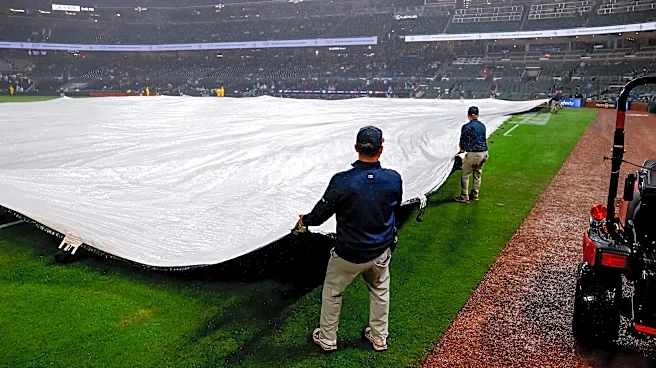


I don’t know about you, but I’m pretty flabbergasted by the poor organizational decision-making the Braves showed yesterday evening. I know having a big lead in the division gives you some ability to let it ride, at least until that lead shrinks, but… this was kind of insane, from my perspective.
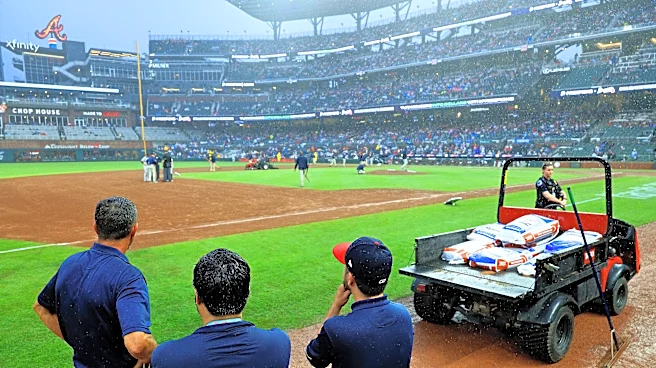
First, it was an organizational call to start the game despite it actively raining. While you can try to rationalize all of it by saying that the weather appears bad all week and there’s some pressure and/or
desire to try to get the game in, the issue itself is pretty simple: teams don’t actually start games while it is raining. There’s a pretty basic idea here: if you think it’s okay to start playing because the rain will stop soon, then you can just wait until the rain does stop, and start play then. If you don’t think the rain will stop soon, then you shouldn’t start play, because conditions will degrade into unplayable (which is what happened).
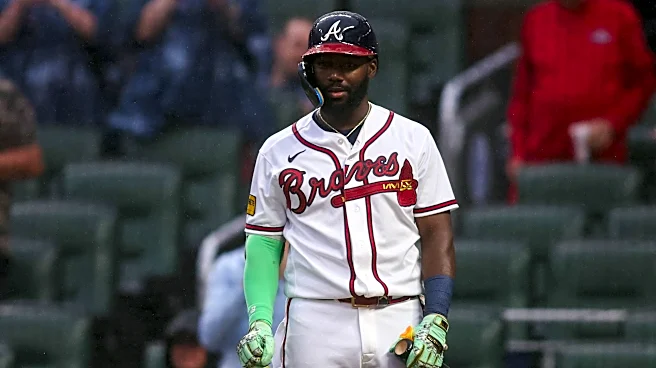
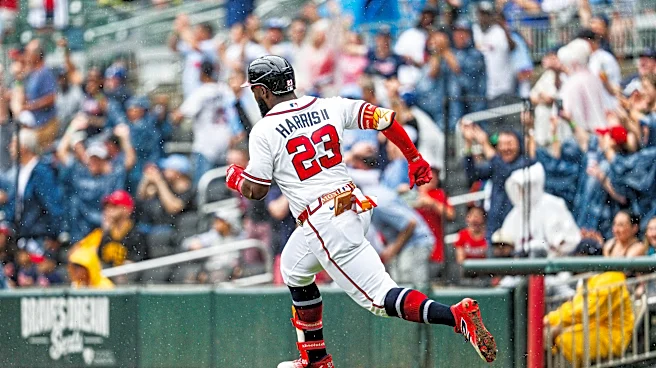
Beyond randomness from stuff like “not being able to see the ball” and “not being able to get a good grip on a ball to be pitched,” you don’t want to play in poor conditions because players are more likely to get hurt. Surprise, surprise, Michael Harris II had to make a running catch where he changed direction a few times, and then had to score from second on a dunker. He then left with back tightness. Oops. Except not “oops,” but an outcome that was likely driven by the Braves choosing to commence play in the rain (again, something that generally does not happen).
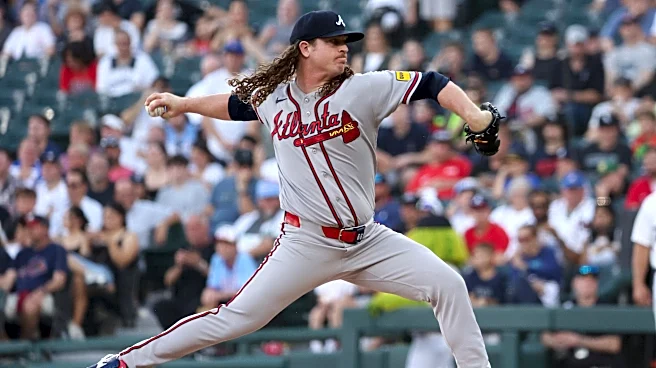
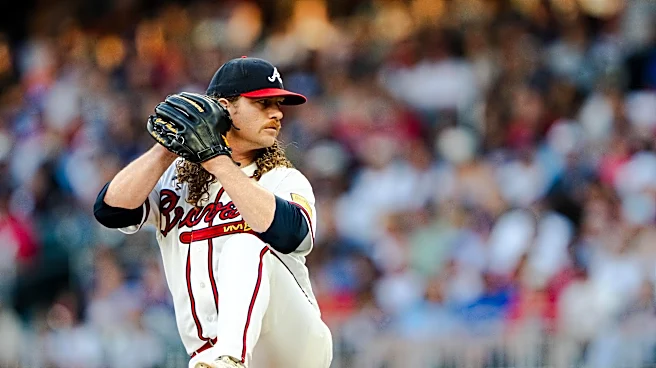
But, even leaving that aside, the follow-on decisions were baffling. If you think it’s going to stop raining, why not let someone else pitch, saving Grant Holmes for when his outing won’t be marred by pitching in poor conditions? You could simply let some other arm eat the wet innings while Holmes does his warm-up to come in after the rain stops.
Or, failing that, even if you choose to use Holmes, you can quickly see that he is pitching poorly, at least in part due to the rain… and has trouble after the first nine batters… so you let him continue to pitch even though it looks like deteriorating conditions are going to force him out of the game soon anyway? Instead, you are now facing a one-run deficit, and it could’ve been worse.
So, what were the Braves thinking? It looks like their single line of reasoning was, “It’s going to stop raining any second now.” And no matter the fact that it didn’t stop raining, nor that this line of thinking kept hurting them in different ways over the course of the forty minutes or so they were able to play last night, they never budged from it. It’s going to stop raining very soon, so we can start playing. It’s going to stop raining very soon, so it’s okay if the players are out there in the rain right now. It’s going to stop raining very soon, so it’s okay if Grant Holmes can’t seem to grip the ball, because he’ll be able to shortly. It’s going to stop raining very soon, so we don’t need to remove Grant Holmes from the game — we can see how long he can go. Sigh.
One of the big changes between this season and the past few is that, while not always, the Braves seemed more invested in playing individual games on their own merits. Again, winning a bunch early has relaxed that attitude a fair bit. But the fundamental compact of a spectator sport is that people will watch while the entities involved in the contest try their hardest to win — otherwise, what’s the point of watching — and the Braves went back to violating that in a big way last night. Let’s hope they don’t pay an even bigger price for it than they already did.