


If you look at some of the major stats for the Seattle Seahawks defense, they’re roughly averaging the same points allowed as last season’s Super Bowl team, they’re once again ranked No. 1 overall by DVOA, No. 1 in EPA/play, No. 1 in fewest pass yards allowed, and tied for first with the San Francisco 49ers in fewest yards allowed per carry.
And yet, there are times where the Seahawks do not feel like their defense is as great as 2025.
Red zone defense
Thanks to the Carolina Panthers, the Seahawks are no longer the worst
red zone defense by EPA/play. Holding the Arizona Cardinals and Las Vegas Raiders to just a touchdown on four red zone trips means Seattle has improved it’s red zone TD percentage to 29th, but this is still a perplexingly bad RZ defense until further notice.
Last season, the Seahawks were fifth in red zone TD percentage defensively and No. 1 in red zone DVOA. Generally speaking, red zone numbers are smaller sample size and such a huge disparity between Seattle’s RZ and non-RZ defense should signify future positive regression. The Seahawks defense has been put in many unenviable spots due to short-field turnovers, but it wasn’t like short-field turnovers weren’t happening last year. Something is not clicking in the micro structure of Seattle’s red zone defense.
4th down defense
Almost the same deal as red zone defense. Seattle was 10th-best at stopping 4th down in 2025, but this year the ‘Hawks have sunk to 31st. Last year’s 4th down defense ranked 2nd in EPA/play, while the 2026 unit is 31st overall and 32nd against the run. Their only two stops on 14 attempts came in garbage time against the Kansas City Chiefs and the goal line stand late in the second Cardinals game.
While the Seahawks boast a fantastic 3rd down defense, we live in an era where going for it on 4th down more often is strongly encouraged, and the Seahawks have struggled to slam the door shut on all four downs. Again, small sample size that can normalize as the season progresses, but much like the red zone, it’s not necessarily guaranteed.
It’s certainly notable that in both the red zone and 4th down, Seattle’s otherwise airtight run defense is at or near the bottom in EPA, so something is not clicking in the trenches the way it did last year.
Defending No. 1 receivers
FTN’s DVOA metric has long included metrics for opposing defenses against receivers, running backs, and tight ends. The Seahawks 2025 pass defense was not only the best in the NFL overall, they were the best at defending No. 1 wide receivers. Admittedly, the designation of a No. 1 receiver is “somewhat subjective” by DVOA criteria, but most teams have a clear top wide receiver target.
Anyway, the 2026 Seahawks is once again tops by pass defense DVOA, but defending top receivers is a big dropoff to 22nd. The DVOA breakdown includes WR1, WR2, WR3, TE, and RB, and WR1 is the only one for which Seattle is outside the top 10.
Seattle’s schedule of opposing offenses is an impressive 8th, with only the Denver Broncos, Arizona Cardinals, and Los Angeles Chargers ranked in the bottom-half in pass offense DVOA. However, when the Seahawks have been tasked with facing what I would assume are top receivers, the results haven’t been overly impressive:
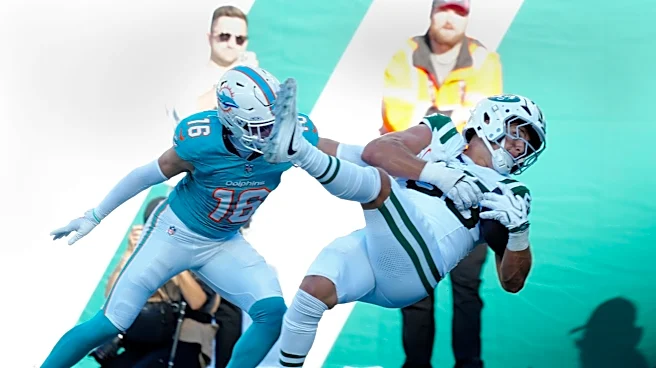
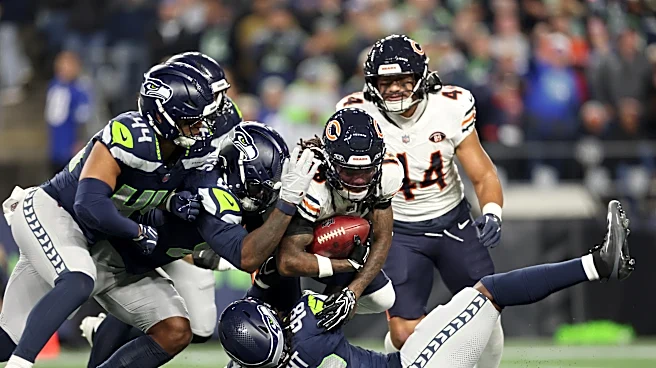
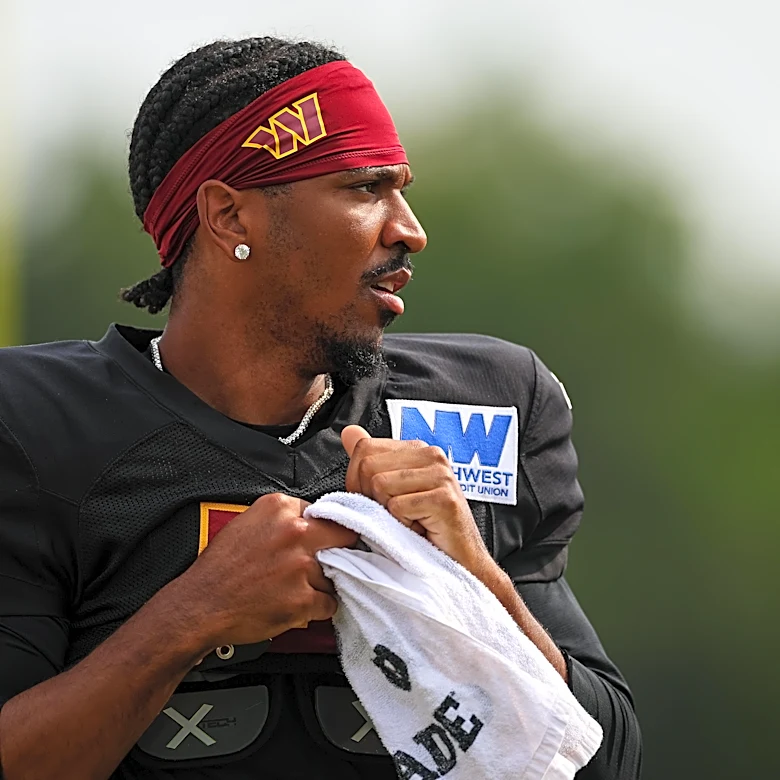
Mike Evans had 7 catches for 113 yards and a touchdown in the first 49ers meeting, while Terry McLaurin caught 6 passes (all but one of which went for a first or a touchdown) for 77 yards and a touchdown in the Commanders game. The Bears’ WR1 is presumably Luther Burden, who was shut out in the second half against Seattle but had 7 catches for 56 yards and a score. All but one of Burden’s catches would be classified as a successful play based on yardage gained relative to down and distance. Seattle didn’t have to play Rashee Rice at all, Ladd McConkey checked out early with an injury (and the Chargers offense reeks anyway), and A.J. Brown had 3 catches for 26 yards and a DPI penalty drawn before he left in the second half with his own injury.
For the next three weeks, the Seahawks will face Evans again, CeeDee Lamb, and Malik Nabers, so the schedule of wide receiver opposition will not let up in the short term.
Make no mistake about it, though: The Seahawks defense is still great and they’re not close to the main reason the team is currently sitting outside of a playoff spot. Seattle’s offense needs to improve significantly to have any shot at contention, but the defense also needs to fix its micro problems that have factored into close games swinging against them.