


Week 25 is behind us, and so is the regular season. It wasn’t the ending we wanted, a 2–2 week to close things out. But in the grand scheme, this season was successful. I go back to October, when we all made our predictions. Mine was 35–47. I missed by 10 games. That’s exceeding expectations.
So what did we learn from Week 25? It circles back to what we’ve already seen. This team has been faltering down the stretch, but the firepower is there. They dropped a 24–0 run on the Houston Rockets. They followed
it with a 21–0 run against the Oklahoma City Thunder, even with all the starters sitting. That ability exists. The question has always been consistency.
And that’s where it gets tricky as they head toward the postseason. Consistency matters. The ability to adjust matters, too. That’s what defines champions. The Suns still feel incomplete in those areas. That’s why they’re a Play-In team.
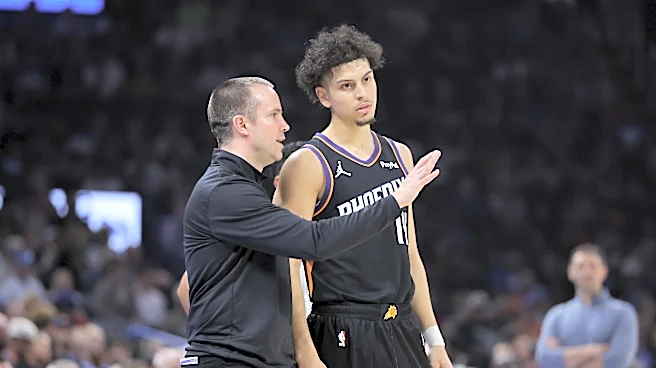
Another thing I took away from Week 25 is that, collectively, we might have been a little too hard on head coach Jordan Ott. I’ve had my frustrations with some of the rotations, no question, but it hasn’t been easy for him trying to piece things together late in the season. The health of Devin Booker, Dillon Brooks, and Jalen Green hasn’t been consistent all year, and when all three are finally available, it changes everything. There are ripple effects in how the team operates, and those showed up in Week 25 and in the weeks leading into it.
But anyone calling for him to be fired is way off base.
Has a rookie coach struggled with rotations late in the year while working with a healthier roster? Sure. That happens. But jumping straight to termination makes no sense. What’s the alternative? Frank Vogel again? More Mike Budenholzer? Doc Rivers just hit the market…should we seek his services?
Some people are quick to judge and even quicker to hit reset over and over. It feels like the same mindset as someone who never finished Super Mario Bros. without a stack of save points. Mistakes happen. Growth comes from working through them. Next season for Ott will be telling, with a better feel for being a head coach, refining rotations, and maximizing what this roster can do.
Even if they don’t win a championship next year, that doesn’t mean you blow it up again. Stability matters. And hearing the drumbeat for constant change is exhausting. That didn’t start in Week 25. It’s been there.
Week 25 Record: 2-2
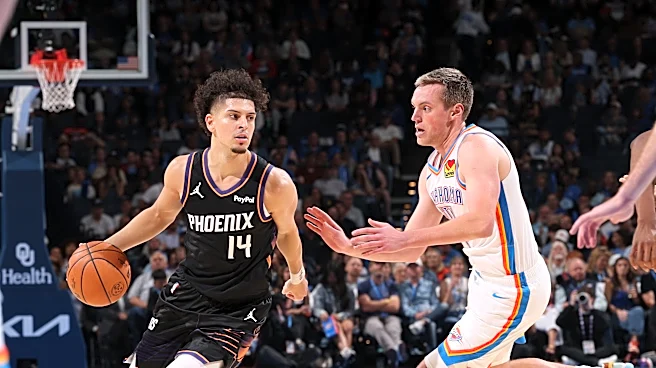
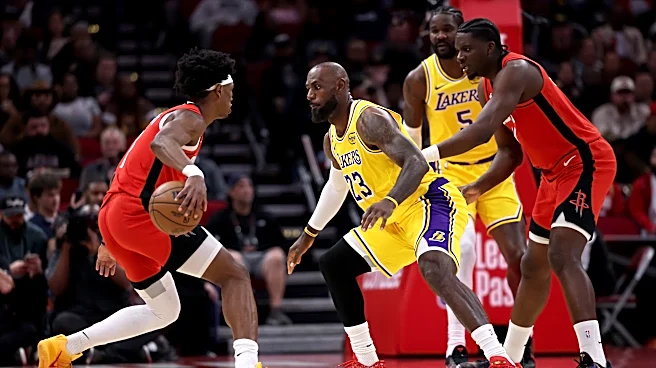
vs. Houston Rockets, L, 119-105
- Possession Differential: +0.1
- Turnover Differential: +1
- Offensive Rebounding Differential: -14
Emotions. They make smart people look stupid. And they make good players either better or worse. In this case, it made the Rockets better and the Suns worse.
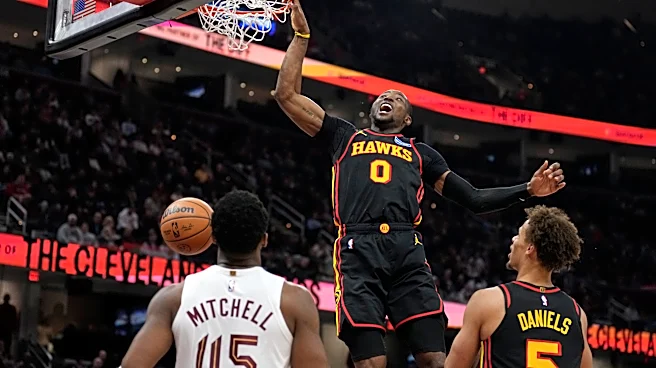
vs. Dallas Mavericks, W, 112-107
- Possession Differential: -0.2
- Turnover Differential: +2
- Offensive Rebounding Differential: +2
It shouldn’t be too hard to defeat an actively tanking Mavs team, right? Oh, but we’ll make it hard. Oh wait, I should rephrase that…
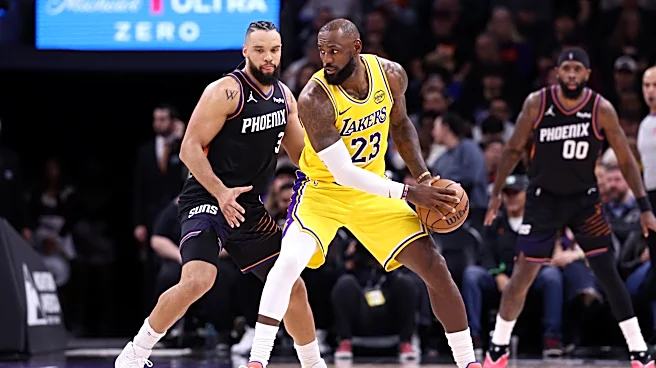
@ Los Angeles Lakers, L, 101-73
- Possession Differential: +2.0
- Turnover Differential: +12
- Offensive Rebounding Differential: +14
73 points? I know that the Suns were finding ways to rest guys, but good golly Miss Molly. 25 points in the second half? Great. Now I’m worried about the future.
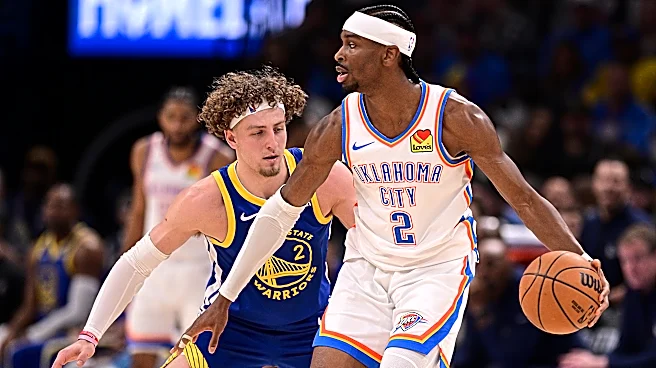
@ Oklahoma City Thunder, W, 135-103
- Possession Differential: +1.7
- Turnover Differential: +1
- Offensive Rebounding Differential: +4
The youth totally redeemed themselves…
Inside the Possession Game
- Weekly Possession Differential: +3.6
- Weekly Turnover Differential: +16
- Offensive Rebounding Differential: +6
- Year-to-Date Over/Under .500: +8
The Possession Battle Graph for the 2025-26 season is now complete.

We’ll add some season-long statistics to wrap this thought exercise up.
- Season Possession Differential: +15.0
- Season Turnover Differential: -145
- Season Offensive Rebounding Differential: +97
What do these numbers mean? What does this graph tell you? In short, mission accomplished.
The Phoenix Suns entered the season with a clear goal: win the possession battle. It was Jordan Ott’s approach to creating more scoring opportunities and, in turn, more wins. And when you look at how they got there, it wasn’t at the free throw line. Not even close. They gave up a significant gap in free throws. The Suns attempted 1663 on the season, while their opponents got up 1938. That’s a 275 free throw difference.
But they made up for it elsewhere. They generated extra possessions with their defense, forcing turnovers, getting active in passing lanes, and attacking the offensive glass. That’s where the edge came from. That’s how they tilted the math in their favor. The team ranked seventh in the NBA in offensive rebound differential and fifth in turnover differential.
So when you zoom out and look at it through that lens, the goal was clear, and they executed it. The possession battle was the mission. And they accomplished it.
Final Thoughts
It’s been a long, arduous process tracking the possession battle this season. Mining the data after every game, throwing it into a graph, plotting points, and possessions. There are a lot of little things that go into putting this out each week. But that’s why I love it. Every year, I pick something I want to see from this team, track it, and watch it unfold. This year, it was the possession battle. I’m glad I chose that one.
When we talk about identity with the Phoenix Suns, this sits at the core. You look at the totality of the season, and you can see how it pushed that pink line above zero and kept it there. That wasn’t by accident. It was intention. It was effort. It was execution.
Yes, the back end of the season has been wonky. The identity is still there. The possession battle still shows up, even as the lineups and rotations shift night to night. And maybe that’s how we’ll look back on this team a few years from now. A rookie head coach, Jordan Ott, came in and established something real by fighting for possessions.
It wasn’t that identity that held them back. It was health. It was trying to balance a roster where your three highest-paid players all stand under 6’6”. That creates real questions. How do you protect the paint? How do you limit efficiency at the rim? Those answers come next.
But the foundation is there. A team that competes for every possession, that leans into the grind. That part is built. Now it’s about what comes next, and how you build on it.
Fini.