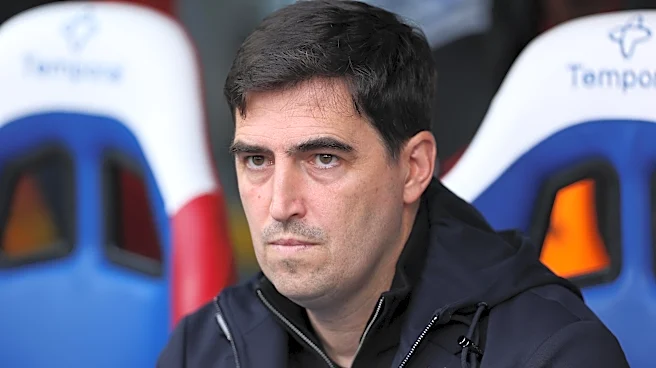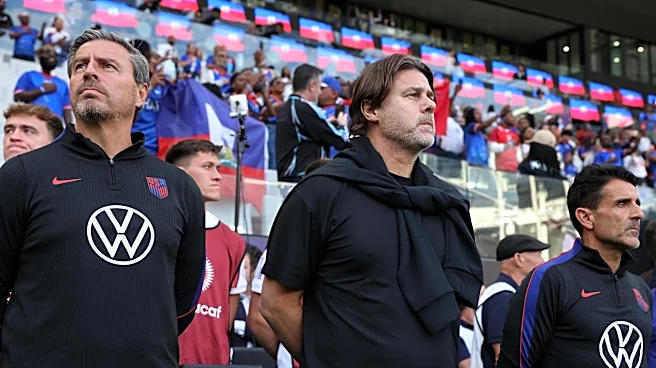


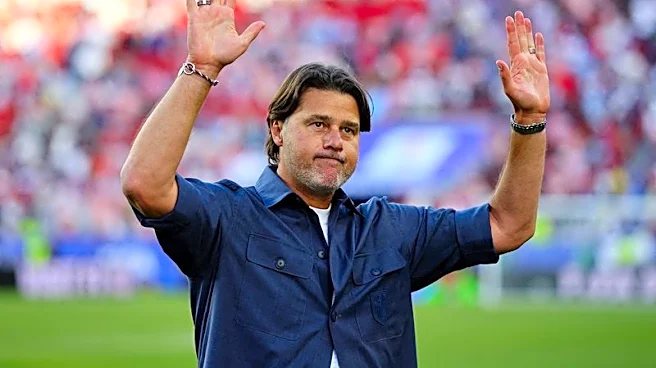
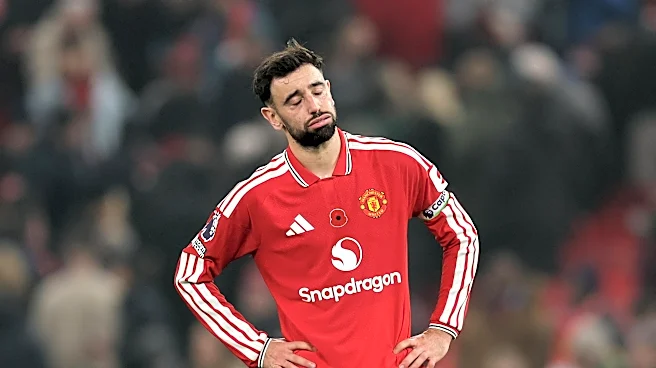
Mauricio Pochettino isn’t an interim manager. This won’t be like Ole Gunnar Solskjaer or Michael Carrick’s arrival; he can’t just think of the short term, but the short term can’t be ignored either, with United sitting in 18th place on the league table. To make matters worse, he’s got the hardest fixture to start with, the sort of game that’s usually hard to draw conclusions from.
If United put in a solid performance on Sunday and back it up with a draw or win, there’s no guarantee that United will
follow it up with similar performances and results because big games carry a very different dynamic from most other games. It’s no different if United come out of the game with a battering, as the side has ended past seasons with a decent league position despite losing quite badly to Liverpool.
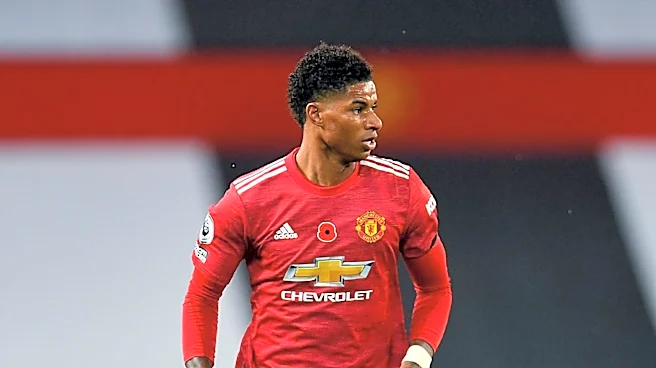
Mauricio Pochettino’s situation has more in common with Ruben Amorim’s or even Ralf Rangnick’s, who wasn’t a long-term managerial appointment, but was promised a long-term future at the club. Neither of them had a winning run like the interims who also happened to be former United heroes, and by virtue of that had an emotional connection with the fans that powered the runs. What made it worse for them was their willingness to let go of players who could’ve helped them a little with results in the January window. Ralf Rangnick was happy to let go of Anthony Martial and Donny van de Beek, and Amorim was happy to do the same with Marcus Rashford and Antony.
Whether they were right to do so is beside the point, as there’s no doubt that keeping them could’ve helped them get more points, and by consequence perhaps bought them greater legitimacy. Both seemed to have lost this by the end of the season, and raising the larger concerns around the club didn’t help lift the mood. Mauricio Pochettino will almost certainly find players that aren’t up to the mark in the coming months, but he’ll have to play it smarter than some of his predecessors.
He’ll have to make it clear to the board that some players don’t have a future at the club. This won’t be controversial considering years of underperformance, but he’ll have to get something out of them in the meantime. Of course, if better players are available in the market, and making way for an underperforming player helps in this regard, there’s a case to be made for the sale of some players, but Pochettino has to tread carefully here. The board doesn’t have a great record here.
Many of the players who have come in as replacements have failed to make an impact. We only need to look at how United have failed to even replace the likes of Fred, Scott McTominay, and Casemiro in recent years. Another issue that many managers have faced is trusting players who are unavailable for large parts of the season. Rangnick trusted Edinson Cavani’s fitness and didn’t foresee Mason Greenwood’s unavailability at the time. Ruben Amorim might not have fancied Marcus Rashford, but when the entire season hinges on a cup final, every player’s contribution counts.
Mauricio Pochettino is inheriting the worst situation of any manager in the post-Ferguson era. His career and personality suggest that he’s a fighter, but this is no easy fight. United are in the relegation spots, and too much long-term thinking won’t help during such an urgent moment. His first task is to earn the trust, and this will come with a mix of performance and results. He’ll need a handful of games that show what his methods could look like when realised to the fullest and back that up with points on the board. He can get the former by trusting players suited to his methods, improving them and, by consequence, the team’s performances over the course of the season, and he can add points by getting something out of every member of the squad available to him, even those he doesn’t fancy. It can’t be one or the other; it’s got to be both.