



Wednesday is a big day for the future of college athletics, as the U.S. Senate Commerce Committee will be holding a hearing on a transformative new bill that is quickly making its way through Capitol Hill.
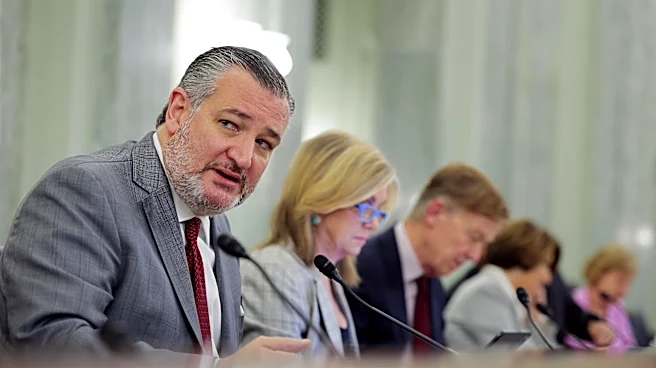
The Protect College Sports Act is a bipartisan federal bill introduced in Congress by Senators Ted Cruz and Maria Cantwell to establish a uniform national framework for college athletics. It addresses the current patchwork of state NIL laws, rising transfer rates and the legal status of student-athletes.
The list of witnesses scheduled to speak at the hearing include former Alabama coach Nick Saban, Notre Dame athletic director Pete Bevacqua and Pac-12 commissioner Teresa Gould. The hearing comes only one week after the bill was first announced.
However, one night before the hearing took place, the Big Ten and SEC issued a joint statement, saying they do not support the Protect College Sports Act as drafted due to “critical issues” it leaves “unresolved.”
Here’s the full statement:
“The Big Ten Conference and the Southeastern Conference support a sustainable national framework for college sports – one with an effective transfer portal, clear eligibility standards, and protections and benefits for student-athletes. While we appreciate the leadership of Senators Cruz and Cantwell in pursuing these shared goals, we do not support the Protect College Sports Act as drafted.
“The bill leaves critical issues unresolved. It does not meaningfully preempt the patchwork of state laws or provide the protections needed to make and enforce consistent rules, both essential to long-term stability in college athletics. It also shifts ongoing rulemaking to Congress, limiting the ability to adapt quickly as the landscape evolves. Rather than reducing litigation, the bill likely expands it without offering clear alternatives for dispute resolution. Finally, the bill alters the House settlement revenue sharing framework in a way that may result in fewer student-athletes receiving direct revenue share payments.
“We are committed to working with Senators Cruz and Cantwell and other members of Congress to improve this legislation so that it can provide lasting stability for college athletics.”
The legislation is not without a lack of support from other major players, as on Sunday, May 31, the commissioners of the ACC, Big 12 and American Conference sent letters to members of Congress in support of the bill.
Nonetheless, there are multiple reasons why the Big Ten and SEC are against the bill. One of the most important issues is television revenue. The bill encourages the conferences to negotiate TV rights collectively and distribute money if majority programs agree. While for smaller programs it is beneficial, the SEC and Big Ten have little incentive to redistribute money generated by their brands.
Additionally, the bill establishes federal oversight and disclosure requirements, allowing for the review of NIL deals to ensure they reflect “fair market value” rather than disguised pay-for-play. Plus, the bill aims to formalize the caps on athlete revenue-sharing from the House settlement into federal law while prohibiting schemes designed to evade those caps.
There are so many parties at play, and given the rapid nature this legislation is moving through Congress, everyone involved is having to make rash decisions in short amounts of time, even changing their stances in the moment.
According to NIL attorney Darren Heitner, the SEC and Big Ten have done a full 180 after heavily lobbying Congress for legislation in college athletics.
“For years, SEC Commissioner Greg Sankey and Big Ten Commissioner Tony Petitti told Congress that federal legislation was essential for college sports,” Heitner said. “They lobbied on Capitol Hill alongside other Power conference leaders for federal NIL guidelines and national standards. They aren’t refusing to support the Protect College Sports Act because they care about athletes. They’re doing it because they care about the bill’s media rights pooling provisions. They’re looking out for their best interests. Who can blame them?
“But it further proves that earlier calls for Congress were less about ‘saving college sports’ or curing ‘chaos,’ and more about preserving power. To be clear, I’m happy to read that the SEC and Big Ten do not support the Protect College Sports Act. But it has nothing to do with ‘lasting stability for college athletics.’
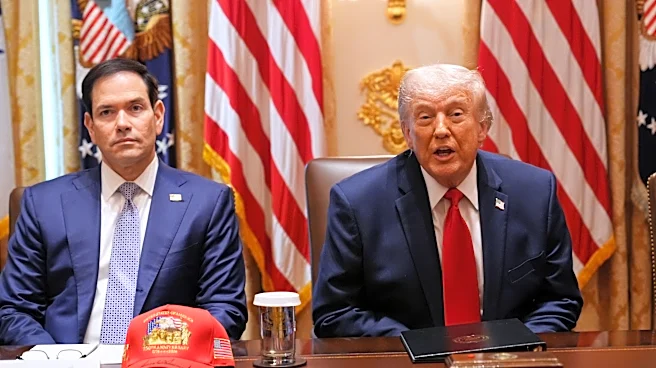
“And then you have the White House who has chosen to be involved throughout this process. Front Office Sports reported that President Donald Trump “has been relentless” in his pursuit of relegating college sports and passing legislation that “ delivers permanent reforms.”
If the hearing goes well on Wednesday, there will be a markup process. With sufficient support, the bill would head to the floor of the Senate where it would be up for debate and a vote. If it meets the 60-vote threshold, it would advance to the House of Representatives for another vote.
There are still many obstacles this bill needs to overcome in order to pass, and public dissatisfaction with it by the country’s two most powerful conferences definitely adds a big stake in the road.