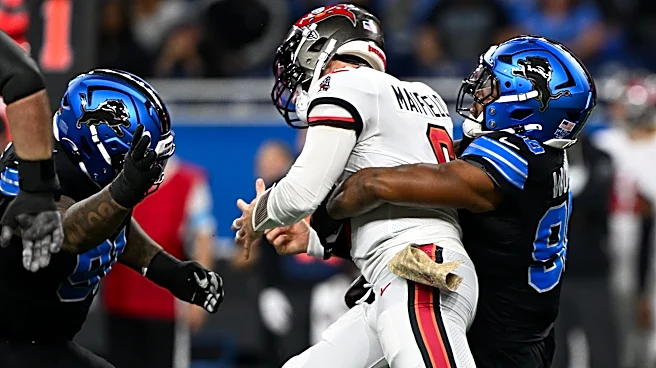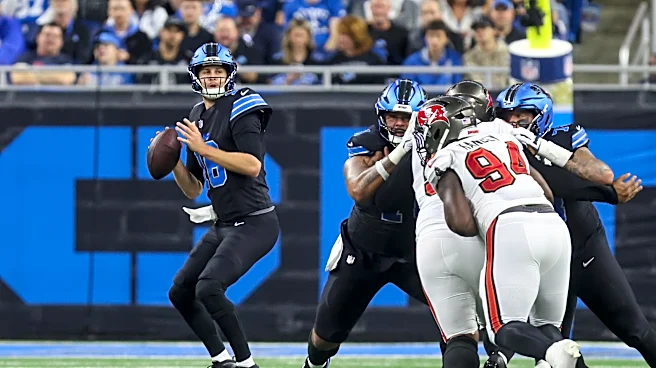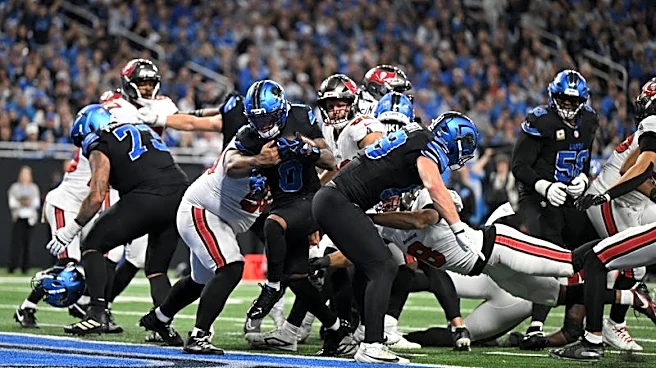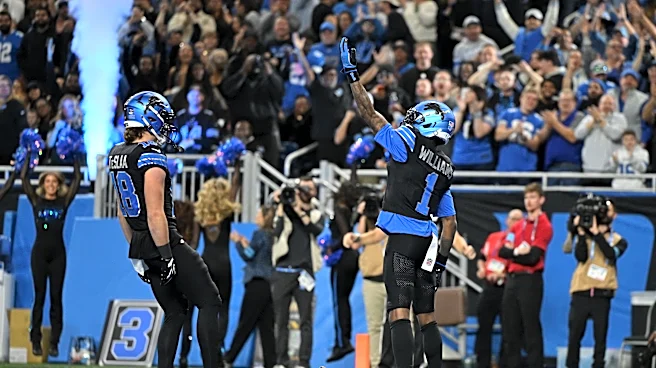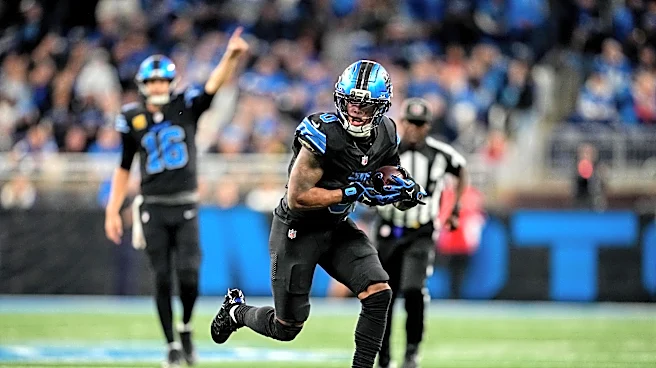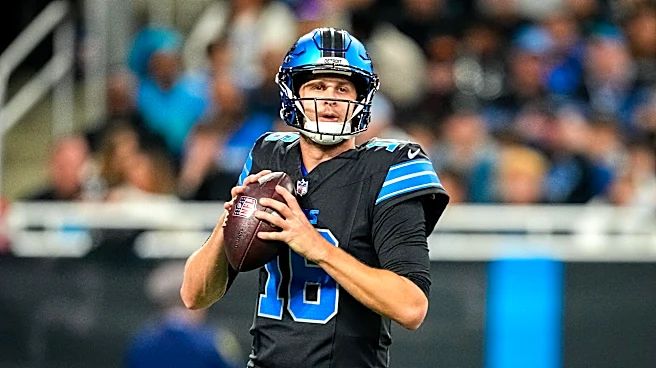



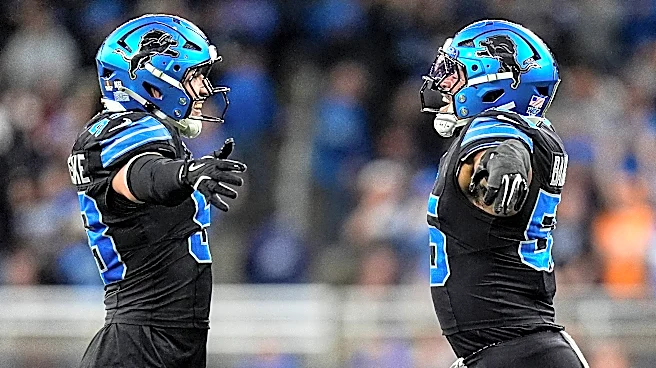
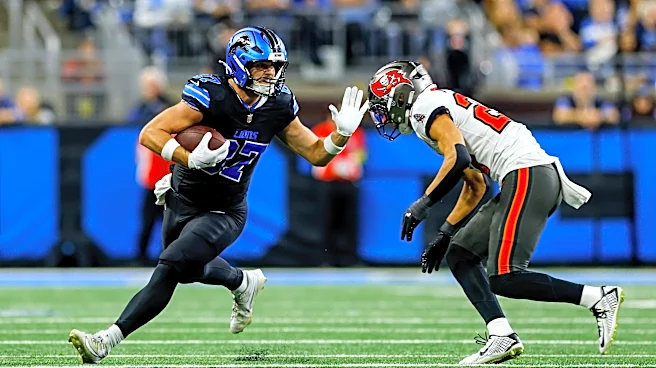
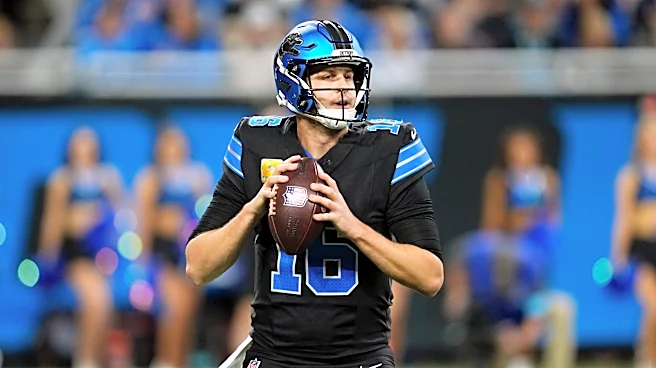
All Grit. The Detroit Lions won their 6th straight game, knocking off the Tampa Bay Buccaneers, maintaining the top spot in the NFC North. Let’s take a look at those standings.

Breathe it in. It feels good. It feels like everything is exactly as it should be.
Ben Johnson makes his second return to Ford Field this Thanksgiving, leading the Chicago Bears into town boasting their own 8-2 record. They’re the darlings. The genius head coach. The dynamic quarterback. Every talking head’s favorite team to win
the NFC.
Good.
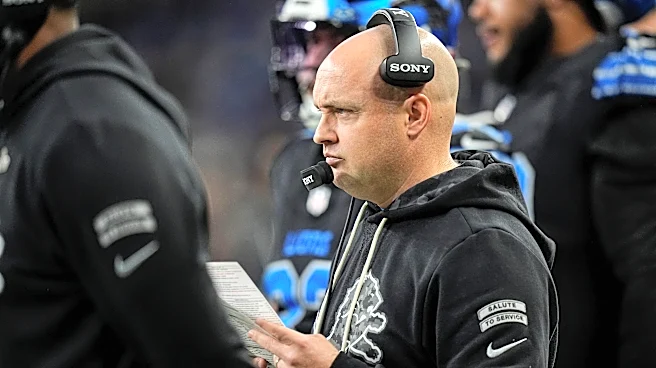
As our own Ryan Matthewspointed out, Jared Goff looks and acts just as good as the real thing—the MVP quarterbacks who garner all of the attention—but his name isn’t Joe or Josh. That same misfit-toys metaphor applies to Lions offensive coordinator Drew Petzing compared to Johnson. Sure, he might be a little shorter in stature and has been given the nickname “Megamind,” but Petzing’s offense looks and plays just as well as Ben the boy wonder’s.
And if Petzing keeps getting overlooked nationally, the Lions could be fortunate enough to keep their offensive coordinator for the foreseeable future. If the stigma of his three-year stint as the playcaller in Arizona stays with him, good. Detroit will gladly retain him.
For this film study, I want to put one play design element under the microscope: presnap motion. Not just any presnap motion, but utilizing the NFL’s best offensive weapon to create space.
Stretching the seams
Todd Bowles and the Buccaneers’ defensive unit have a history of being stout, resulting in frustrating matchups for some of the NFL’s most prolific offenses. Just peek at Caleb Williams’s Week 9 box score against the Bucs: 22-for-37 with 2 touchdowns, 4 interceptions, and a cool 61.5 passer rating.
Petzing and Goff, however, diagnosed Bowles’ tendencies and stressed them. The key to it all: Jahmyr Gibbs. I don’t need to tell anyone reading this how spectacular Gibbs is with the football. But the best part of his game this weekend was how he impacted the defense without the ball.
The first two plays below are the exact same concept. Starting in shotgun with Gibbs to Goff’s right, the running back is sent in motion to the short side of the field toward an in-line tight end (Brock Wright) and Amon-Ra St. Brown outside the numbers. The cool part of the design is in the details.

Watch how Gibbs ’ wheel/fade route is run. Notably, Gibbs angles his route very wide toward the sideline hash marks, rather than pressing vertical quickly. The key here is that it forces the cover-3 cornerback to keep his drop wide, opening space for the tight end seam route.
The other key here is utilizing Jameson Williams on the field-side slot and Isaac TeSlaa outside the numbers. The passing strength of the offense, pre-motion, is to the top field-side of the screen with three eligible receivers. TeSlaa, Williams, and Gibbs. With the motion, the passing strength changes, moving the trips side to the short side. The middle single-high safety now has a choice: stay on the field-side hash to protect against Jameson Williams in the slot vertical, or lean to the now trips side with the Gibbs motion.
Good luck. Either way, he’s wrong.
On the second time below, Petzing calls the same play, but the defense tries to correct.

Notice how the cover-3 short-side corner cheats inside for the tight end vertical, but at the last second tries to shift back toward Gibbs. Goff recognizes this correction and checks down to the safety valve of St. Brown, who sides in the flat for a positive play.
Same idea, different look
Looking back at the opening series of the game, Petzing clearly had this intent of putting Gibbs in motion to stress the vertical seams in the Bucs’ zone coverage.
This time, Petzing causes the same stress using the same concept of motioning Gibbs out of the backfield, but this time from a shotgun two-back look (although the second back is actually a tight end, who runs the delayed hook route into the cleared-out zone).
But again, notice how wide Gibbs’ route is run, ultimately fading to the outside hashes. The details create the space just as much as the threat of his athleticism. Further, notice that on all three of these plays, Gibbs’ route and the tight end’s route are all run with similar depth and pacing despite having different speeds. The coverage is stressed with precision timing.

Details are the difference between good offensive coordinators and great ones. There are many coaches that can draw up a great scheme on the chalkboard Monday-Saturday. But translating speed and space from the chalkboard to the field requires precision details with a championship-level mindset.
Influencing the linebackers
Lastly, a different pre-snap motion, but with the same focus of influencing defenders to open up space. This time, the goal is to influence the linebackers and create space in the zone for Amon-Ra St. Brown. Notice how quickly Alex Anzalone reacts to the motion to get horizontal from the field-side linebacker position. St. Brown is able to swiftly find and sit in the opening created for an easy pitch-and-catch.

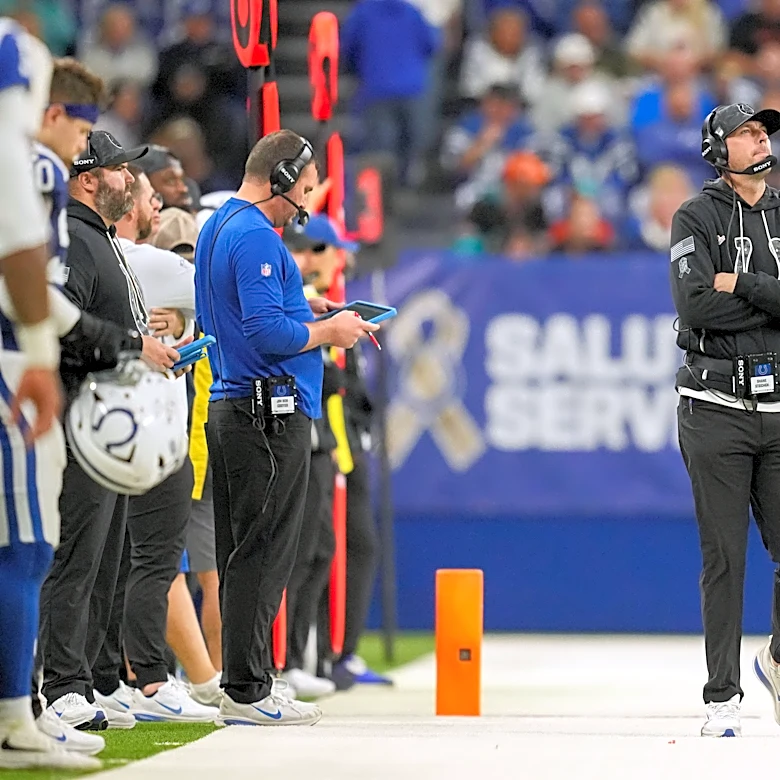
It’s a short week with the Bears coming in on Thursday for the big Thanksgiving showdown. But even with less practice time to prepare, I expect Petzing will have his wrinkle of the week, targeting what Dan, Drew, Jared, and the rest of the offensive staff diagnose as the weakness and tendency of the Bears’ defense.
Embrace the fight. Appreciate the opportunity. Keep the edge.