





Welcome to SB Nation Reacts, a survey of fans across the NBA. Throughout the year we ask questions of the most plugged-in Suns fans and fans across the country. Sign up here to participate in the weekly emailed surveys.
The NBA Draft is drawing near, and with it comes the question of whether the Phoenix Suns will stay put at No. 47 overall or once again look to move around the board. This is an organization that has shown a willingness to be aggressive on draft night.
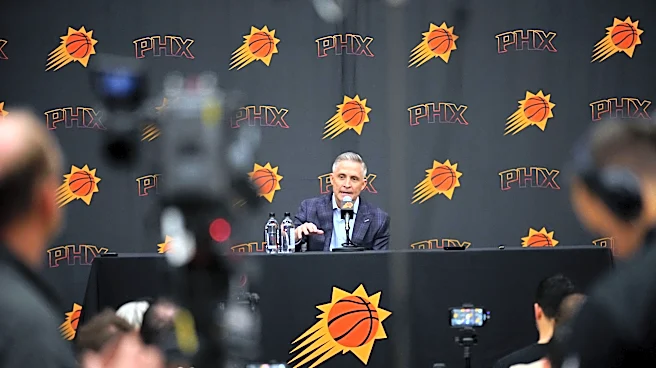
Since Brian Gregory arrived two
offseasons ago, before eventually assuming the role of general manager last offseason, Phoenix has consistently sought opportunities to maximize its draft capital. Two years ago, the Suns maneuvered around the draft board to acquire Ryan Dunn. They then used assets gained during that process to move up in the second round and select Oso Ighodaro. Last year followed a similar pattern. The Suns traded Kevin Durant and acquired the 10th overall pick, a selection Phoenix originally held. They used it to draft Khaman Maluach, then turned around and utilized additional draft assets from the Durant trade to move up to No. 31 overall, where they selected Rasheer Fleming.It was a masterclass in draft navigation.
That’s what makes this year’s draft so interesting. The Suns may only own the 47th pick at the moment, but recent history suggests they’re never content to simply sit back and let the draft come to them. If Brian Gregory and the front office identify a player they believe in, they’ve shown a willingness to get creative in order to go get him. That’s something worth remembering as draft night approaches.
It’s not a foreign concept to think the Phoenix Suns could be moving around the draft board when the NBA Draft takes place on June 23 and 24. This is no longer the James Jones era, when draft picks often felt more like an annoyance than an opportunity. That said, moving up the board comes with a cost. If the Suns want to climb from No. 47, they’ll likely have to sacrifice future draft capital to do it.
And that raises an important question. Is now the right time? For a team that doesn’t have the luxury of cap flexibility working in its favor, is it wise to add another young player whose salary could create additional financial challenges?
Take the 17th overall pick as an example. If Phoenix were to execute a trade with the Oklahoma City Thunder and acquire that selection, the rookie would carry a cap hit of roughly $4.6 million for the 2026-27 season. Realistically, what is the path to meaningful minutes for that player next season?
That’s part of the equation. Every dollar matters for a team trying to bring back Collin Gillespie, Jordan Goodwin, and potentially Mark Williams. The Suns are walking a delicate line between adding youth and maintaining continuity. It’s a balancing act.
On one side sits the desire to inject more young talent into the organization. On the other sits the reality of the cap sheet and the importance of keeping together the core pieces that helped establish the team’s identity last season.
What should the organization do? Should they move up the board and invest further in youth? Or should they stand pat at No. 47, select a player who is likely destined for a two-way contract, and continue focusing on continuity while preserving financial flexibility? That’s the question facing Phoenix as draft season approaches. That’s the question we have before you today.