
So you’re a Premier League manager and you’ve just lost to the worst team in the Premier League. It’s been a tough season heading in, mind, but you’re still defending champions, at least for a few more months. You’ve still got one of the most talented squads in England and Europe. A Champions League finish remains the minimum.
Which is to say, well, you probably shouldn’t be losing to the worst team in the Premier League while your team puts in a broadly lukewarm performance that seems intended to slow
down the match, limit chances in both directions, and generally embrace a low event football tactical approach that in theory at least should favour your side more often than not.
One problem with low event football, though, can be that it’s not no event. The opposition can still get lucky off a long range strike or set-piece. Can get lucky if low event means your side hasn’t created a lot, either, and need to open up, leading to some stretch and disorganization and chances for the opposition to counter and create.
So sometimes you’re a Premier League manager and you’ve lost to the worst team in the Premier League. Your side played well enough to win most of the time on the underlying statistics, but nobody watching would dream of saying they played well and those statistics were a hell of a lot closer than they should be against the worst team in the league. So it goes.
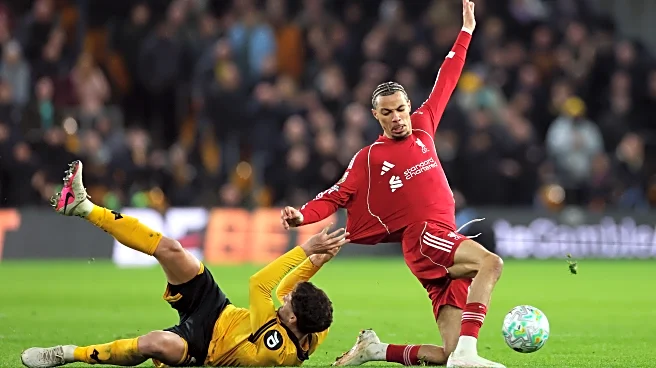
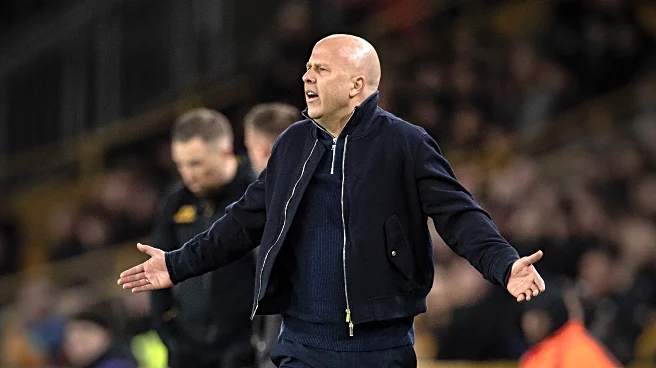
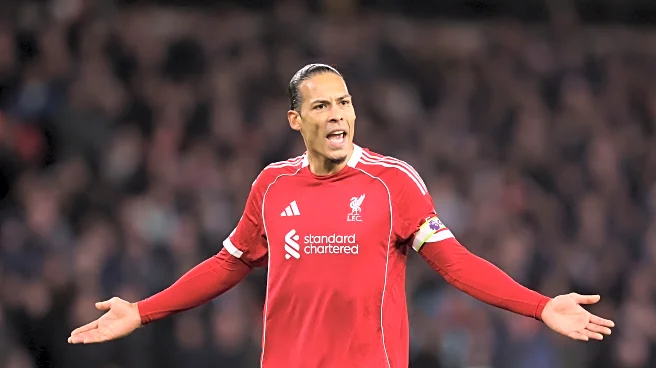
“Recently we were picking up points because we’ve scored from set-pieces, but what did not change in the last five, six, or seven games is that we struggle and find it hard to score from the open play chances that we do create,” was manager Arne Slot’s reaction following Tuesday’s 2-1 defeat for Liverpool at the hands of Wolves.
“From all the ball possession we have the end result is we score one and they score two—and indeed another in extra time. So it sums up our season again in this game as well. What I mean that it sums up the season is that we’ve had far more ball possession than the other team, we’ve created more chances than the other team, but we struggle to score.
“Then those [Wolves] chances and the one we concede is not even a chance, and that is what has happened so many times to us this season. That it happens in extra time might be a coincidence maybe, even though it has happened so many times. But we hardly gave away a chance today. We gave away one chance and conceded two.”
On one hand, Slot isn’t wrong. By most models, Liverpool created around 1.5 to 2 expected goals worth of chances on Tuesday evening. Wolves created around 0.5 and 0.75. Add it up and, statistically, Liverpool should win that game more often than not. Liverpool also dominated possession and passing. And yet, it’s Wolves.
Given how dominant the Reds were in passing and possession and given how little pressure Wolves put on, in those expected goals numbers are far too close. Close enough the fickle fairy of variance can easily lead to what we got last night. This is a Liverpool side that should be putting up big creation numbers. And a Wolves side ripe to concede the same.
Low event football, though—an aversion to high risk creation attempts that seeks to limit opportunities in both directions—has become Liverpool and Slot’s less than enjoyable modus operandi this season. This has become a side drilled first and foremost to limit opposition chances rather than creating their own. They’ve also been unlucky. So it goes.