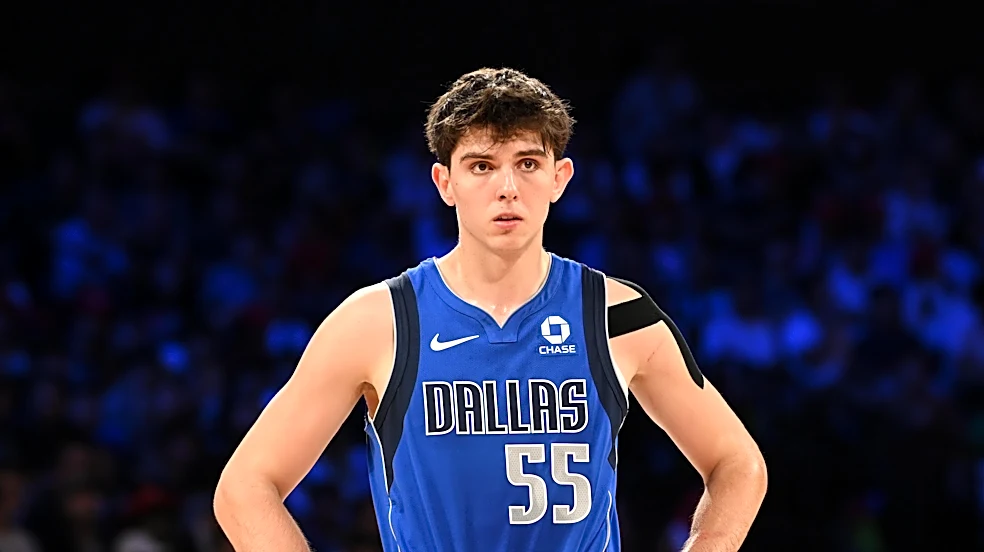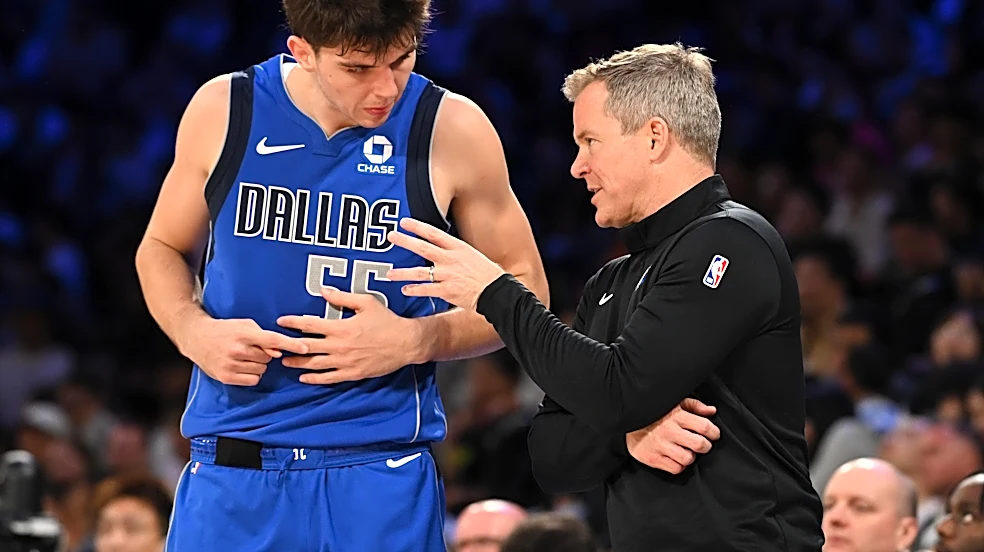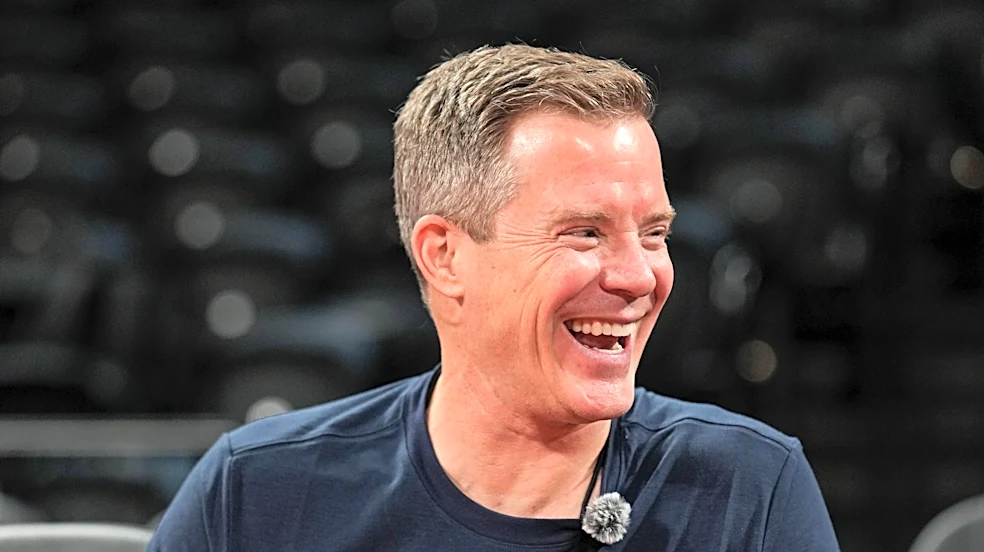



Dusty May might be the most fascinating person in the Mavericks organization this season.
Dallas hired him straight out of Michigan after he won the 2026 national championship, and the hire immediately became one of the offseason’s biggest swings. May had already built a reputation as one of college basketball’s brightest coaches after taking Florida Atlantic to a Final Four, then turning Michigan from an 8-24 team into a 37-3 national champion in two years. He also became the first college coach to jump
directly to an NBA head coaching job since John Beilein left Michigan for Cleveland in 2019.
That history matters because this transition usually goes poorly.
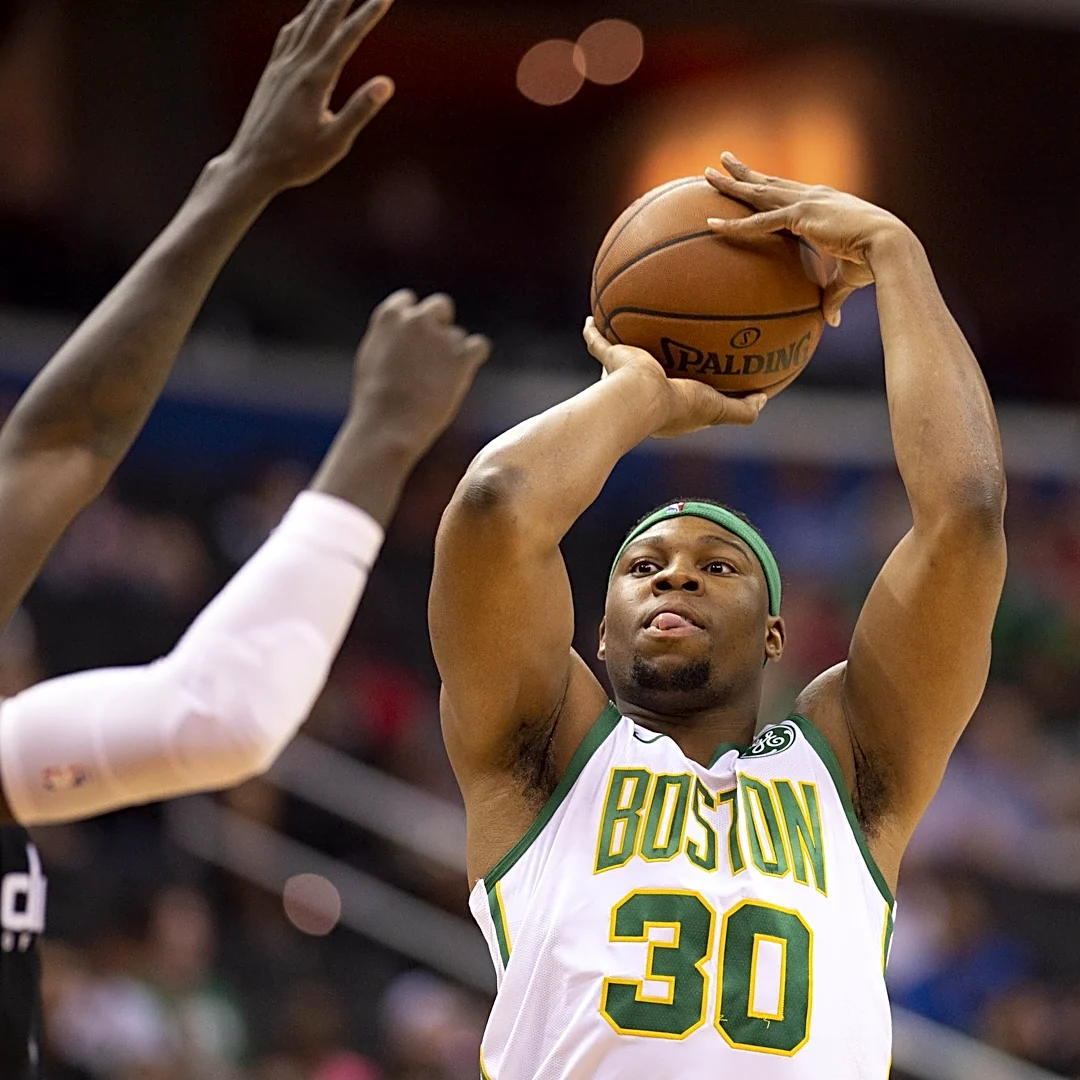
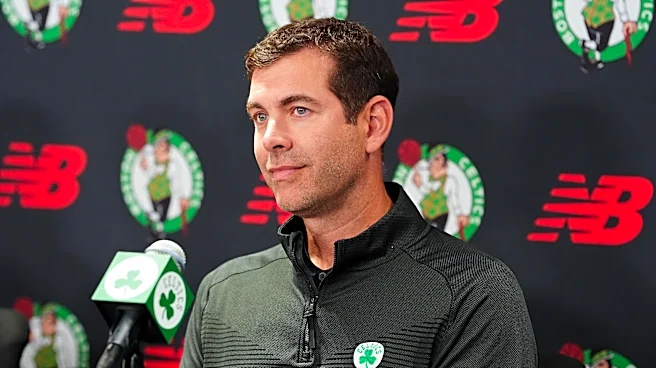
Brad Stevens worked. Billy Donovan worked. A lot of others did not. John Calipari lasted just over two seasons in New Jersey, Rick Pitino struggled in Boston, and Beilein’s Cleveland experiment ended after only 54 games. The NBA asks coaches to manage adults, egos, travel, and a schedule with significantly less practice time than college basketball allows. May knows all of that.
He also believes the modern college game has prepared him better than some of those coaches. At his introductory press conference, May pointed to NIL and the transfer portal as experiences that forced college coaches to deal with agents, paid players, roster churn, and many of the same relationship-management issues NBA coaches face.
Now he has to prove that theory in Dallas.
Biggest question
Does Dusty May’s system actually translate to this Mavericks roster?
In theory, I love a lot of what he wants to do. May’s offenses have been built around pace, spacing, ball movement, and shot quality. He wants rim attempts, free throws, and catch-and-shoot threes. He does not want an offense that settles for bad midrange shots or spends 15 seconds watching one player dribble. His Michigan team had one of the most efficient offenses in college basketball last season, and his overall approach is much closer to the modern NBA than most college coaches run.
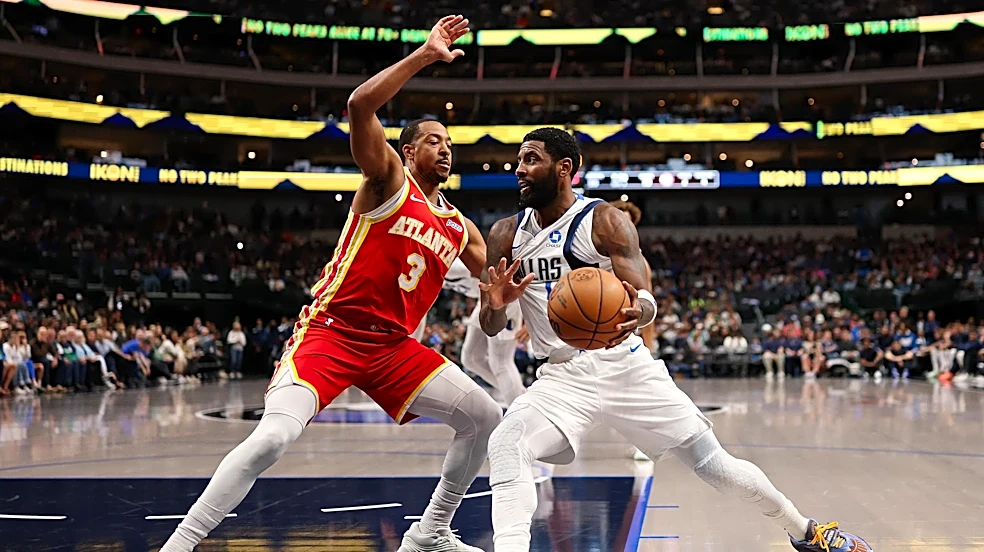
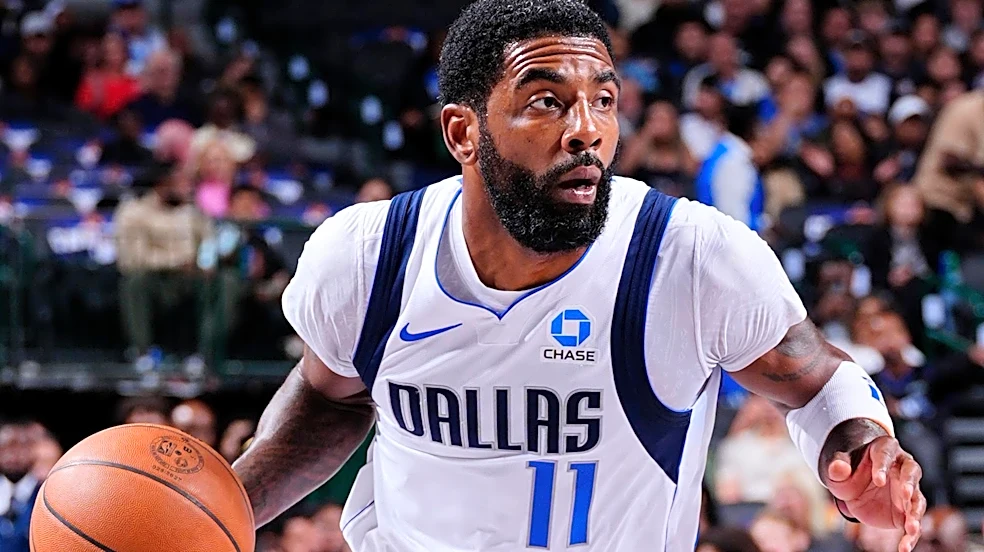
That sounds great until you look at the Mavericks. Kyrie Irving is basically the only proven high-level ball-handler on the roster, and he’s also one of the best midrange scorers ever. Cooper Flagg can create, but Dallas should not want him initiating every possession. Zaccharie Risacher is still figuring out what he is. The rest of the roster has plenty of wings, forwards, and bigs who attack better than they create.
May’s teams also tend to play with a lot of freedom, and that can lead to turnovers. That is what I worry about with this group right now. Dallas does not have a bunch of elite decision-makers who can constantly make live reads without mistakes.
Best case scenario
May becomes one of the rare college coaches whose style actually looks even better in the NBA. That is the dream. Dallas plays fast. Flagg becomes a monster in transition. Kyrie still gets freedom to use the midrange when it is there, while the rest of the team becomes much more disciplined about generating threes, layups, and free throws. Risacher finds an actual role. Morez Johnson Jr. develops quickly because he already understands what May wants.
May has also always been a relationship coach. Michigan’s culture was built heavily around unselfishness, development, and player buy-in, and that matters as much as any X’s and O’s. If he can get NBA veterans to buy in the same way his college players did, Dallas could establish an identity much faster than most young teams.
The defensive side is interesting too. May has shown he is willing to adapt to his personnel rather than forcing one system. At Michigan, he leaned into size and versatility and built the nation’s top-ranked defense instead of simply copying what worked at FAU. That adaptability is probably why I rate him so highly.
Worst-case scenario
The history wins.
The NBA isn’t college basketball, and May will find out quickly that a good system isn’t the same as having players who can run it.
The turnovers pile up. Dallas struggles to create offense whenever Kyrie sits. May wants to use versatile centers as passing and decision-making hubs, but Dereck Lively II is already dealing with injuries, and the rest of the center rotation may not be built for that kind of responsibility. The offense becomes too theoretical and not practical enough for the roster he actually has.
Then there is the relationship side.
May’s calm demeanor and collaborative approach should help. However, professional players still respond differently than college players. Beilein’s failure in Cleveland is a pretty obvious reminder that even an elite college coach can lose an NBA locker room quickly.
If May cannot adjust quickly, Dallas could spend the season trying to run a system designed for players it doesn’t have.
Season goal
Establish an identity. I do not think this season should be judged entirely by wins and losses. Dallas needs to know what a Dusty May basketball team looks like by April. Does Flagg look more comfortable? Does the offense create easier shots? Do players understand their roles? Can May develop young players while still holding veterans accountable? Can Dallas play with the pace and movement he wants without turning the ball over constantly? That matters more than whether the Mavericks win 39 or 44 games.
Overall
I am high on Dusty May. Part of that is probably because he came from Indiana (Go Hoosiers) and I loved what he did at Michigan, but there are real basketball reasons to believe in him too. His style is modern. His offenses make sense mathematically. He has shown he can adapt to different personnel. Players seem to buy into him, and his college teams already looked more like NBA teams than most.
But this is still a massive gamble. The history of college coaches jumping directly to the NBA is ugly, and Dallas’ roster isn’t built perfectly for what May wants to do. He could be the next Brad Stevens. He could also find out very quickly why almost nobody makes this jump successfully.