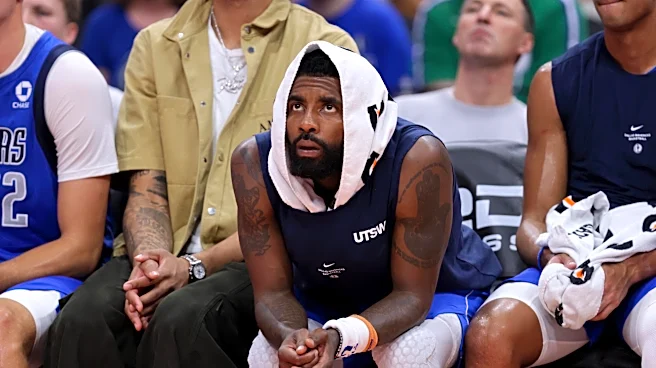



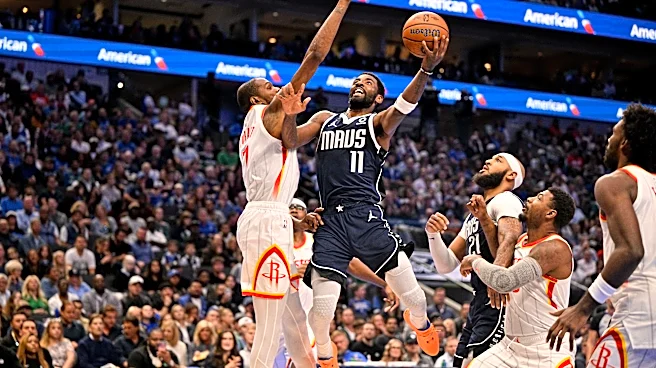
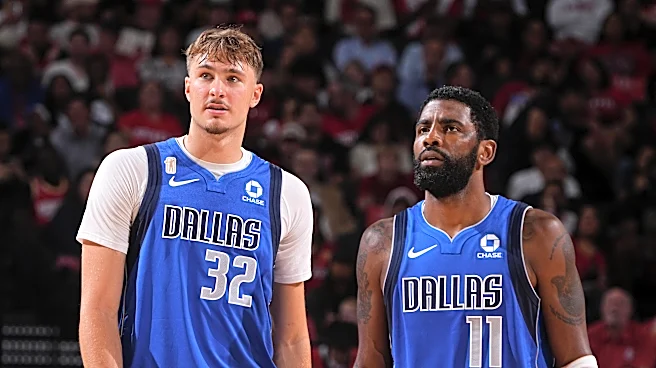

Dallas entered Monday night on a three-game win streak, with a chance to make it four against a winless Sacramento team. The Mavericks had not played since Friday at home versus the Rockets, which means that with the clocks falling back, there were 73 hours between games. Monday morning, Kyrie Irving was listed as questionable due to injury management. Monday afternoon, he was downgraded to doubtful, and prior to tipoff, he was ruled out. This came as a shock to anyone who watched the game against Houston.
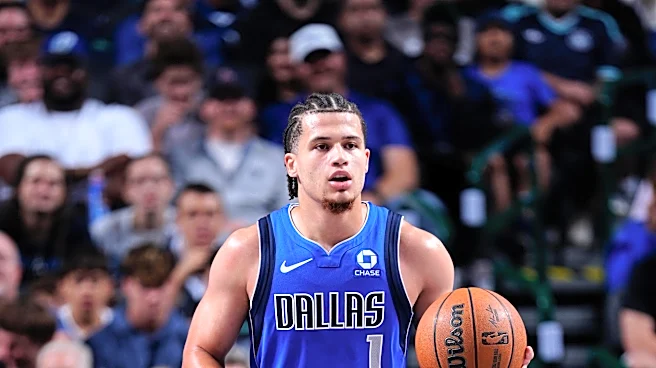
Irving looked fantastic in his 35 minutes, tallying 35 points and nine assists, and finished the night healthy and happy. Monday’s game was not part of a back-to-back, nor was it after a grueling week. So why did Irving sit? I am not going to dismiss that he may actually be hurt. He is 34 and coming off a major surgery. But they listed it as “injury management”, which roughly translates to “rest”. They sat Irving because they thought they could win without him, but in doing so, they tested the basketball gods.
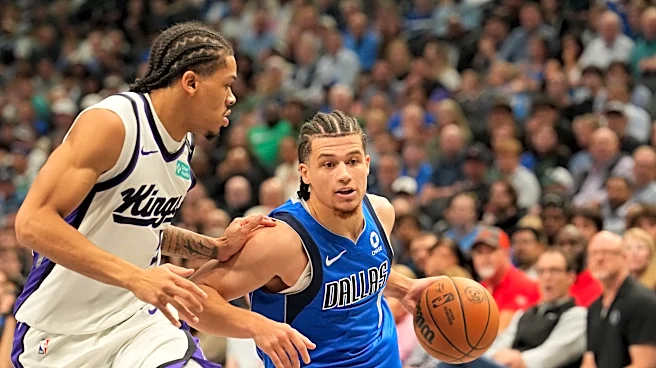
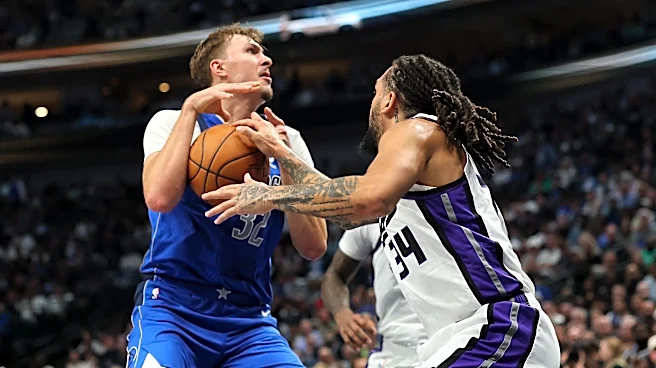
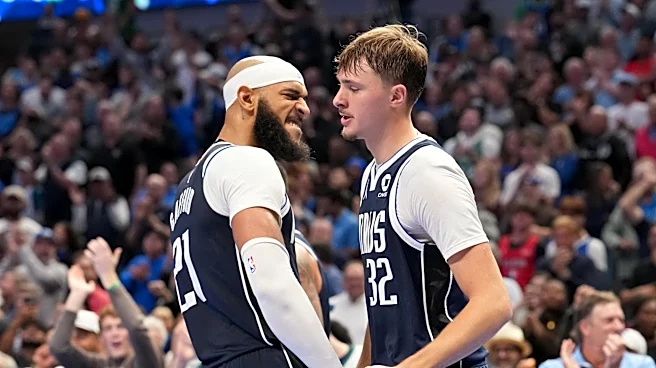
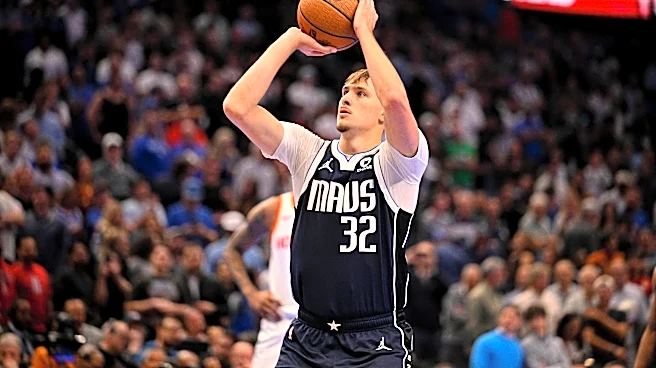
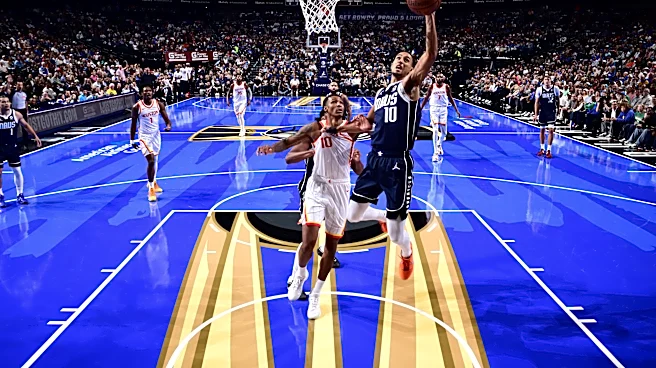
The Mavericks lost to the Kings, 115-100, in their worst outing of the season. It was, in every sense of the word, embarrassing. Cooper Flagg played poorly, the role players (except for Daniel Gafford) didn’t show up, and Sacramento simply outplayed Dallas for 48 minutes. It is possible that Irving may not have saved them on a night like Monday night. But all of the good vibes Dallas created by beating Houston were washed away the second they chose to give Irving the night off.
They disrespected the game. Not the specific contest against the Kings (although they did discount them), but the metaphorical game as a whole. They tested fate; they taunted the basketball gods. Dallas rested a healthy player after two full days off because they thought they could both milk an extra day and sneak out a win. That isn’t how professional sports work. Anybody can beat anybody, and this is not a video game. The Kings clearly saw what Dallas was doing, and they were already desperate. They got the little bit of extra motivation they needed and ruined Dallas’ night. It was bad process and a slap in the face to paying fans, win or lose.
It also sends a young team a bad message. They rested on the laurels of a surprising 4-2 start, when they really have not done anything yet. Cooper Flagg had the worst game of his young career on Monday, and it was at least in part because the organization told him he could cruise to a win. Luckily, it is only game seven of 82. They can learn from this loss. But that doesn’t take away from the fact that it was an avoidable one. Sometimes young teams need a wake-up call. It just shouldn’t have come at the expense of the fans and the integrity of the game.