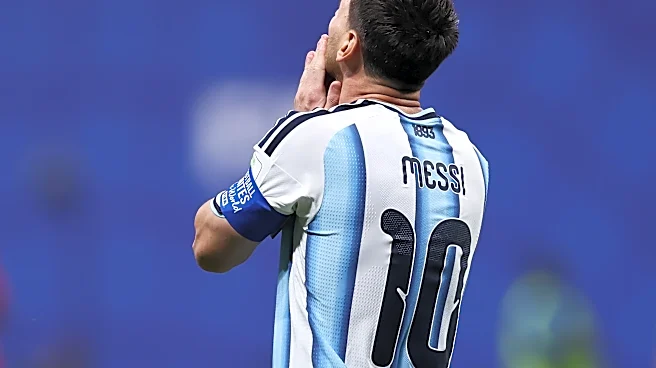





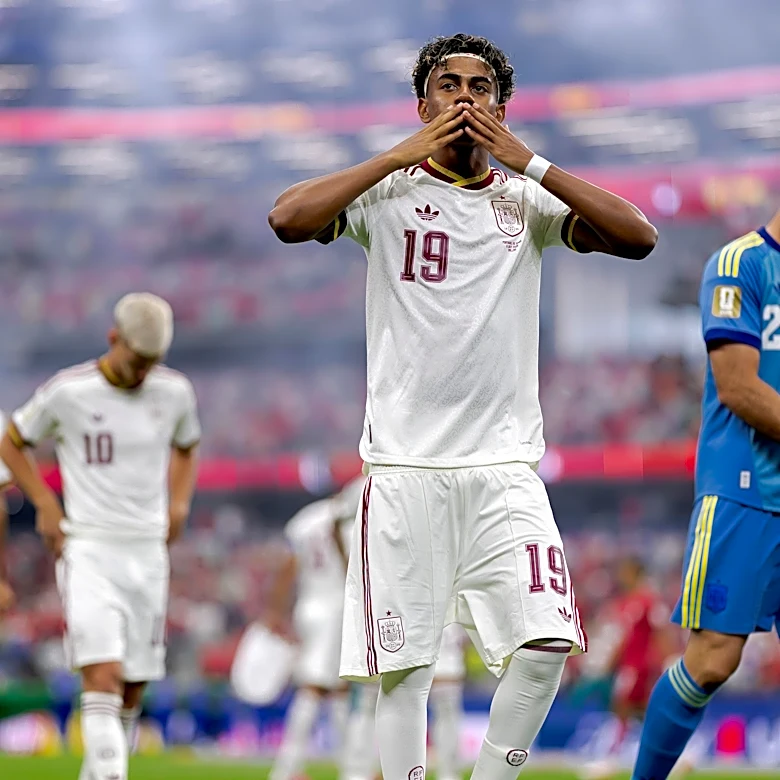
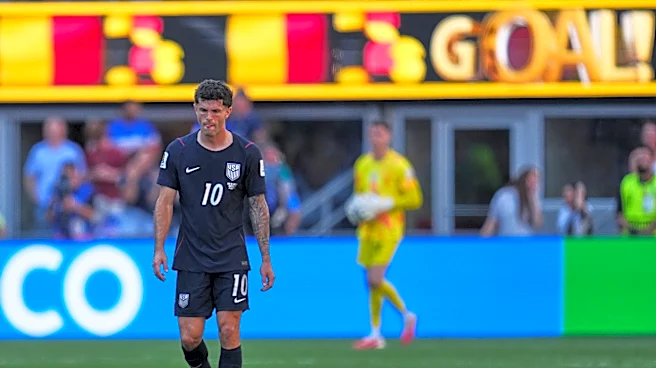
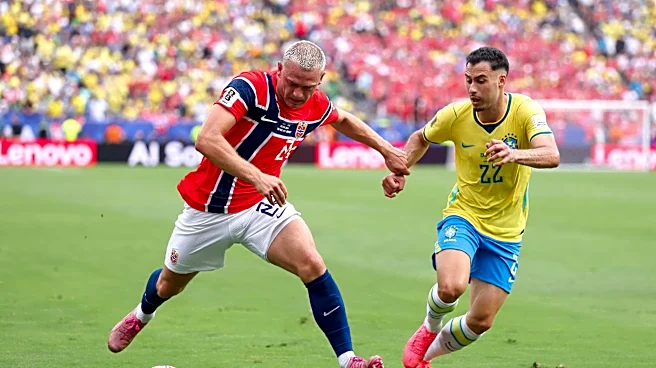
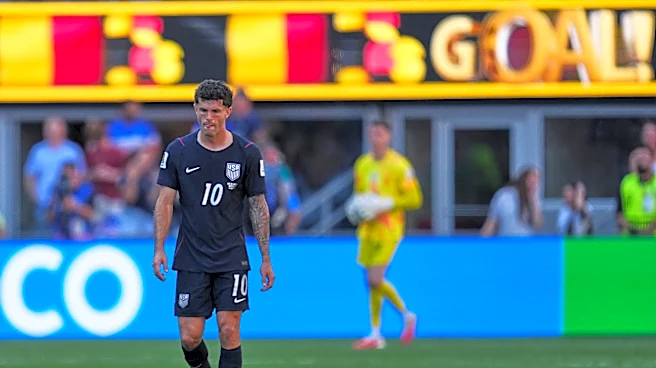


The United States men’s national team is out of the 2026 World Cup, and soon attention will start to shift to the 2030 World Cup cycle. The 2030 World Cup, which will take place in Spain, Portugal, and Morocco, with centenary matches in Uruguay, Argentina, and Paraguay, means that for the first time since 2022, the USMNT will have to endure qualification to earn their spot in that tournament.
In February, Concacaf announced its World Cup qualifying schedule and format as part of its full calendar
for the 2030 World Cup cycle. Because the 2030 World Cup will be taking place in Europe, Africa, and South America, Concacaf has changed the format for qualifying as the United States, Mexico, and Canada get reinserted back into the field. Accordingly, teams will not wait long before their road to the 2030 World Cup begins.
Round 1 of Concacaf 2030 World Cup qualifying will begin in September 2027, when the 22 teams ranked 14-35 in the Concacaf rankings will be drawn into pairs to play a home-and-away series in the first half of the September-October 2027 double window. The 11 winners on aggregate will advance to Round 2 of World Cup qualifying.
In Round 2, which begins in the second half of the September-October 2027 international window, the United States, Mexico, Canada, and all other teams ranked 1-13 in the Concacaf rankings will begin their qualifying journey. They will form six groups of four teams each, with the USMNT essentially assured of being a seeded team. The six groups will see each team do a double round robin, facing each team in their group home-and-away. There will be two matches in the September-October 2027 window, two matches in November 2027, with Round 2 finishing up in March 2028. The top two finishers from each group will advance to the final round of World Cup qualifying.
In the final round, there will be 12 teams that are drawn into three groups of four teams each. Once again, should the USMNT advance to this round, they would face each team in their group home-and-away in a double round robin. Two matches would take place during the June 2028 international window, with the remaining four matches occurring during the September-October 2029 double window. Concacaf Nations League and the Concacaf Gold Cup will take place during that break in World Cup qualifying action.

The top two teams in each group (six in total) will qualify directly for the 2030 World Cup. That would be the quickest path for the United States to qualify for that tournament. If they are not within the top two teams in the final round group, the two best 3rd place teams will play in a Concacaf Play-In series in November 2029. Those two teams would face each other home-and-away, with the aggregate winner moving onto the FIFA inter-confederation playoff, which takes place in March 2030. It would be there that they would have one final chance to qualify for the final tournament, which could mean that Concacaf has a potential for seven teams in the 2030 World Cup.
So what does this mean for the USMNT? With the new qualifying calendar, combined with the Gold Cup and Concacaf Nations League, the USMNT’s schedule is going to be pretty tight. They will have up to four friendlies this fall in the first September-October double window before they enter the Concacaf Nations League at the quarterfinal round.
As the #3 team in the Concacaf rankings, they will earn that direct spot in the Nations League quarterfinals and bypass the group stage. The Nations League quarterfinals will be a home-and-away series in November, and if they win that on aggregate, they would advance to the Nations League Finals at SoFi Stadium in March. Next summer, the Concacaf Gold Cup is back, and they would likely have two more friendlies in the first part of the September-October 2027 window before they begin their World Cup qualifying journey.
That’s not a ton of time for the USMNT to get ready for the road to the 2030 World Cup, but the preparations need to begin now. Player personnel, coaching, friendlies, everything will be under review as the USMNT starts to look forward to the path of the next four years.