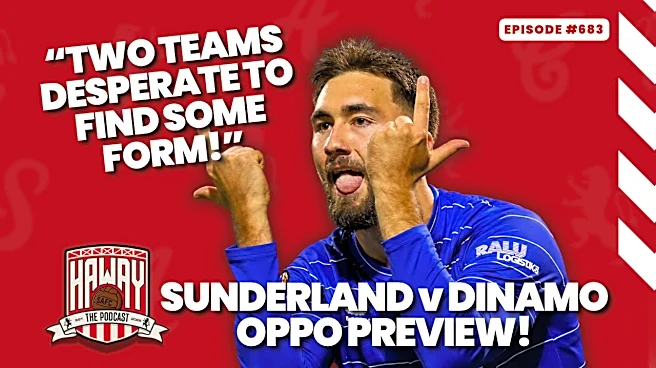



Tonight, Sunderland play their second Europa League home game of the campaign, as the Lads welcome Dinamo Zagreb to Wearside. Here’s what you need to know about the Croatian champions!
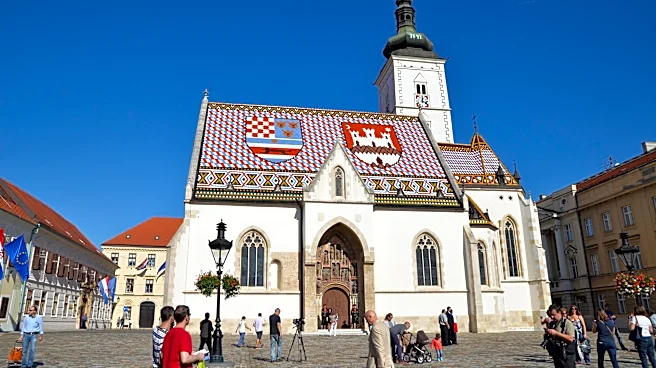
Zagreb: Croatia’s Capital
With a population of around 750,000, Zagreb is Croatia’s largest city, and the use of its name dates back nearly 1000 years to 1094 AD.
The city emerged from two medieval settlements (Gric and Kaptol) and began rapid development and expansion when the two combined in the 19th century.

It has played a crucial role in the
political history of Croatia, and in 1941 it became the capital of a Croatian puppet state controlled by the Axis powers. After being freed in 1945, Croatia became a part of Yugoslavia from the end of the Second World War until 1991. Zagreb was the centre of a newly independent Croatia during and following the Croatian War of Independence (1991-1995).
On a lighter note, Zagreb is home to the world’s shortest public transport funicular, which connects the city’s old town to its newer Novi Zagreb area. It spans a total of 66m, and between its opening in 1890 to 1934, it was powered by steam. Nowadays, the journey is electrified and lasts approximately a minute.

The city also keeps many of its old traditions. Every day at noon, a cannon is fired from Lotrščak Tower beside the funicular to mark midday. This has happened every day since 1877. Zagreb also has over 200 gas street lamps which are still lit manually every night, and this tradition dates back to 1863.
There are also a number of weird and wonderful museums to visit in the Croatian capital. These include the Museum of Hangovers, the Museum of Laughter, the Museum of Broken Relationships, and a mushroom museum.
Dinamo Zagreb: A Brief History
Dinamo Zagreb were initially formed in 1911 when Croatia was a part of the Austro-Hungarian Empire. Upon the end of the Second World War, the club was dissolved by communist authorities; however, it was re-established just three days later on the ninth of June, 1945.
The new club inherited the colours, nickname, badge and fanbase of the original club. Its name was changed to Croatia Zagreb in 1993 – a move which was seen as a political move to move away from the club’s communist past amidst Croatian independence. However, this name was never accepted by supporters, and the name Dinamo Zagreb was reinstated in the year 2000.
Dinamo Zagreb is Croatia’s most successful club and has lifted the Croatian league 25 times, most recently last season, in which they finished 20 points ahead of second-placed Hajduk Split.
They have also won the Croatian Cup and Super Cup a record 18 and eight times respectively, as well as nine Yugoslav League titles and eight Yugoslav Cups pre-1991.
Famous Faces
Over the years, Dinamo Zagreb have had a massive number of incredibly talented players wear their famous blue shirts.
Former Ballon D’Or winner Luka Modric started his professional career with Dinamo Zagreb. Aged just 18, Modric signed a ten-year contract and made a total of 94 league appearances for the club, scoring 26 league goals in that time.
After three successive Croatian League titles and two cup triumphs, he departed to Tottenham in 2008 before cementing his place as an all-time great at Real Madrid. Modric now plays for AC Milan and could face Sunderland in December at the San Siro.

Many of the Croatian golden generation team that reached the final of the 2018 World Cup played for Dinamo Zagreb, aside from Modric. This includes Mario Mandzukic, Dejan Lovren, and Marcelo Brozovic.
Current Manchester City duo Mateo Kovacic and Josko Gvardiol also started their careers at Dinamo Zagreb. Dani Olmo, World Cup winner with Spain this summer, joined Dinamo Zagreb as a sixteen-year-old from Barcelona’s academy and made 80 league appearances before moving on to RB Leipzig.

Former Arsenal and West Ham striker Davor Suker also spent two years of his career in the Croatian capital, where he averaged over a goal every other game.
Maksimir Stadium
The Maksimir Stadium was built in 1912 and has been the home of Dinamo Zagreb since.
Currently, it is operating at a reduced capacity of around 25,000 after damage from an earthquake in 2020 forced the closure of a stand. Before this, capacity was around 35,000.
It has also hosted a plethora of international matches, most recently a meeting between Croatia and Montenegro in September 2025.

Bad Blue Boys
The Bad Blue Boys is the name of Dinamo Zagreb’s notorious ‘ultras’ supporters group.
The group formed in 1986, and quickly after their formation, they developed a strong pro-Croatian independence stance amidst the changing political backdrop in the lead-up to the breakup of Yugoslavia.

They have been involved in a number of controversies over the years and have faced punishments for their behaviour, including stadium bans and fines. However, the Bad Blue Boys have used their influence for good. Following the earthquake in 2020 that damaged the Maksimir Stadium, the group quickly mobilised and helped to organise and distribute humanitarian aid, as well as helping to rebuild a hospital.

This Season So Far
Ahead of our meeting tonight, Dinamo Zagreb currently sit second in the Croatian League – four points behind leaders Hajduk Split but with a game in hand.
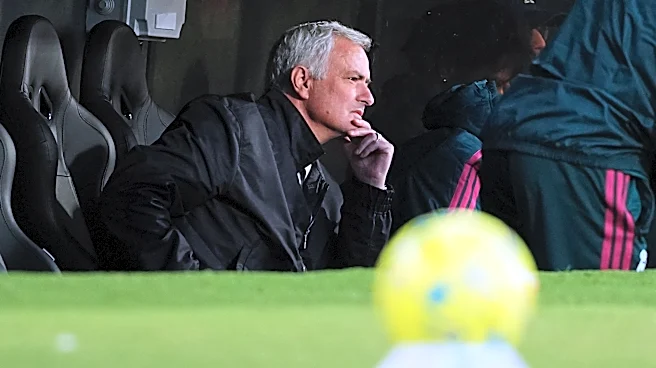
Our visitors will be managerless, having sacked manager Mario Kovacevic after a shock 1-0 defeat to Rudes in the league. Kovacevic had been in charge for 73 matches and won 48 of those, overseeing last season’s league and cup double in the process.
Dinamo Zagreb currently sit on four points from their three Europa League games so far. They kicked off their European campaign with a 0-0 draw against Hapoel Beer Sheva, then beat Anderlecht at home courtesy of a last-minute penalty. In their last Europa League outing, they lost 4-2 at home to Dutch side NEC Nijmegen.

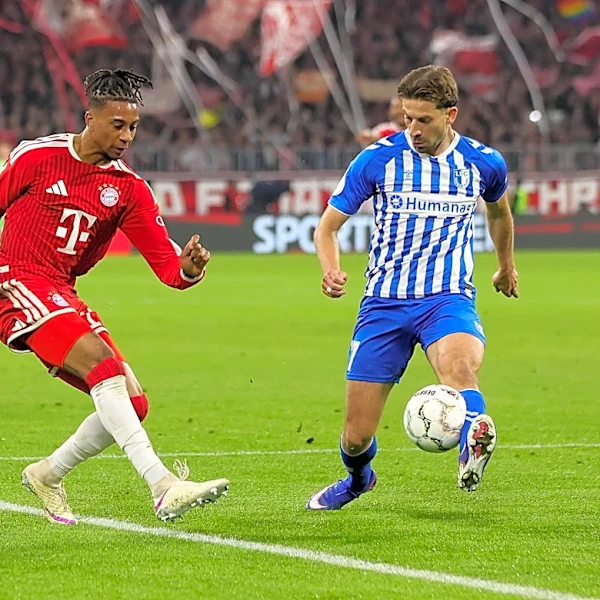
Striker Dion Bejlo has started this season in electrifying form, so he will be one to watch tonight. In ten league games so far, he has scored 12 goals and registered five assists – an average of a goal contribution every 49 minutes in the league.
He scored both goals against NEC Nijmegen and converted the penalty against Anderlecht. He didn’t feature against Hapoel Beer Sheva, so he has scored three goals in two Europa League games so far.
Beljo also scored a total of 38 goals last season – 31 in the league, two in the cup and five in the Europa League. In addition, he scored his first international goal against Spain during the last international break. Standing at six foot five at just 24 years old, he could be in line for a move to one of Europe’s bigger leagues in the near future.
Our hopes of getting a positive result against Dinamo Zagreb may depend on our ability to keep Beljo quiet!

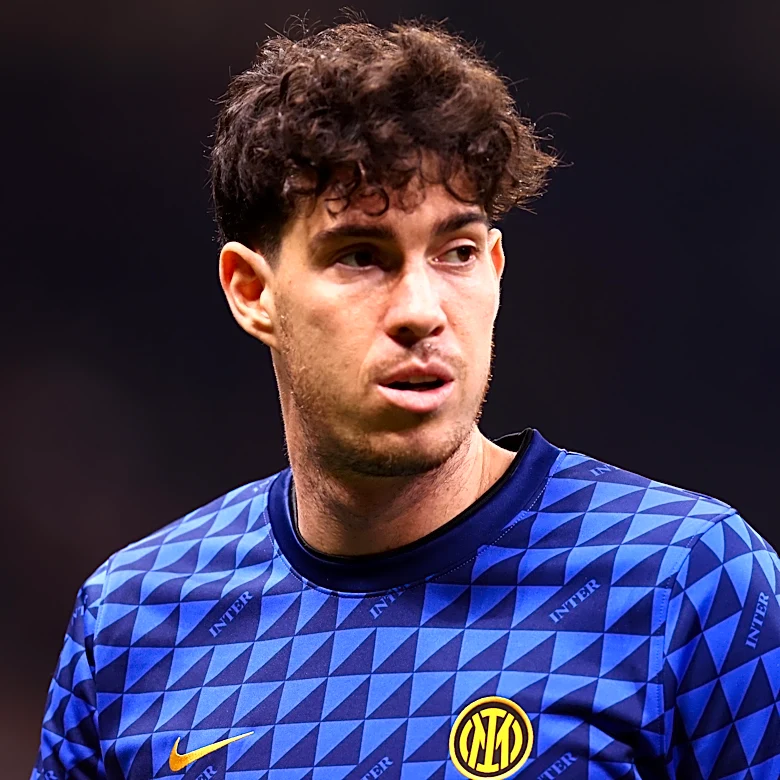
Former Southampton winger Mislav Orsic plays for our visitors. Scott McKenna, a Scottish international, formerly of Nottingham Forest, also plays for Dinamo Zagreb, although he is likely to miss the game through injury.