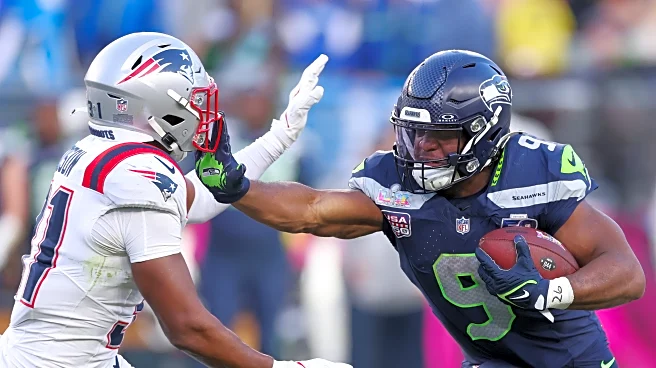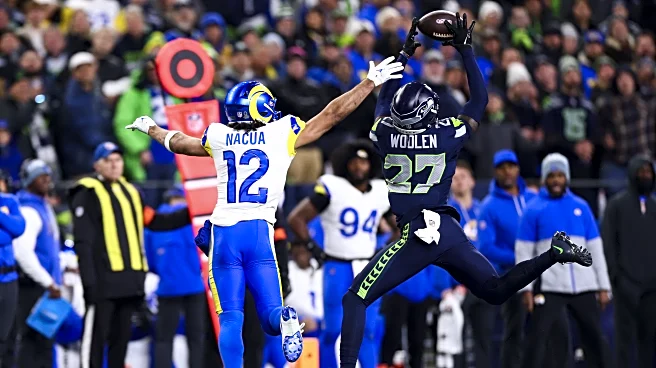

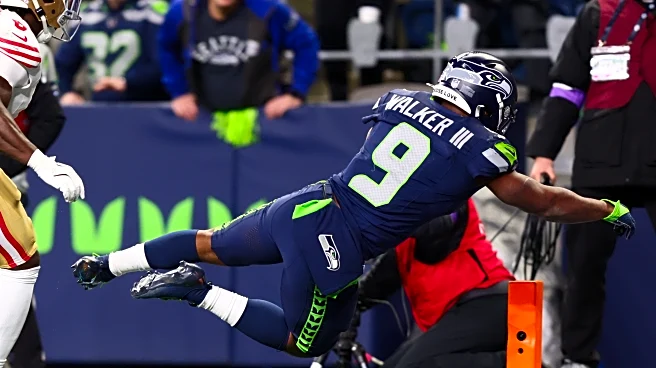
The Seattle Seahawks are going to lose some top free agents in a matter of days. This isn’t a guess, this is reality for a Super Bowl champion in a league with a hard salary cap. Kenneth Walker III, Riq Woolen, and Rashid Shaheed figure to be the top three likely exits, with Josh Jobe, Coby Bryant, and Boye Mafe in that second-tier of possible departures.
Of course, the “benefit” of losing free agents is draft compensation. If a team loses more compensatory free agents than they sign, they receive
at least one extra pick in the following season’s NFL Draft. Because of the high profile names on Seattle’s free agent ledger, there has been some very misguided belief that the Seahawks could rake in multiple Day 2 comp picks.
Not to burst the bubble of fans who might be looking ahead to next year’s draft over the season that precedes it, but here’s the harsh truth: Seattle will be fortunate to get one third-round pick.
How many comp picks can the Seahawks get in free agency?
Strictly from free agency, NFL teams are only allowed up to four compensatory draft picks. If the Seahawks hypothetically let Walker, Mafe, Shaheed, Woolen, Jobe, and Bryant all go to other teams, that’s six CFAs departing. Should Seattle inexplicably not sign a single CFA, the Seahawks would only be allowed a maximum of four comp picks in return, but they’d be the highest four values.
What does it take to get a third-round comp pick?
This is where it gets complicated. The formula for allocating picks by round is somewhat convoluted, but the stripped down version from the fine folks at OverTheCap should suffice:
- Start with the Average Per Year (APY) of the contract signed.
- Subtract from the APY any money that the compensatory formula does not count3.
- Rank these players by adjusted APY in descending order, and assign points to each player, equal to [number of leaguewide players]-[rank].
- Add anywhere from 25 to 100 points for players who played a percentage of snaps on offense or defense in the range of 25% to 100%. (Kickers and punters are given a different point addition unrelated to snap counts.)
- Add 20 or 5 points for postseason honors as determined by the AP’s All Pro list, and the PFWA’s All NFL/All Conference list.
3 Prior to the 2020 CBA, it had been determined that workout bonuses, incentives, and salary escalators were common devices that the compensatory formula does not count. However, App. V, §2(a) of the 2020 CBA makes clear that these devices will now count if they are considered Likely To Be Earned, or are earned in the player’s first season of his new contract.
The most important aspect of the formula is “number of leaguewide players.” In other words, you aren’t comparing free agent contracts to other free agents; you’re comparing free agent contracts to literally every NFL players’ existing contracts. I suspect this is where there might be some confusion over comp pick value.
OverTheCap’s Nick Korte has an early estimate of the cutoff for third round/fourth round comp picks, and the bar is pretty damn high.
Kenneth Walker III might be the highest paid running back in free agency but he functionally has zero chance of fetching a third-rounder in return. Why? Because there is no team that will give him over $20 million/year and make him as highly paid as Saquon Barkley.
Boye Mafe, who’s coming off his second-lowest snap share as the fourth-best option on the Seahawks’ edge rushing group, would essentially have to merit a contract that puts him in the top 15 of all edge rushers, which also means getting paid as much or more as fellow FAs Jaelan Phillips, Odafe Oweh, and Trey Hendrickson. This is just not happening.
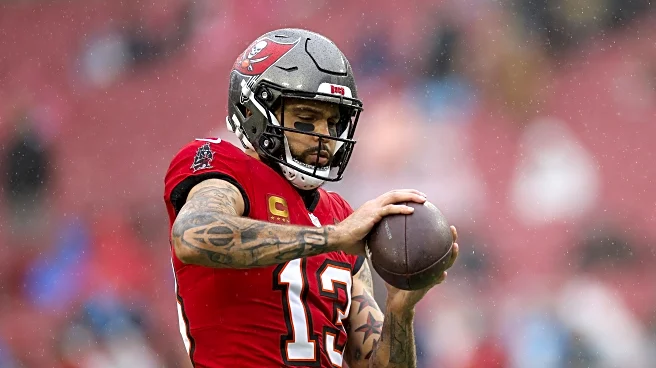
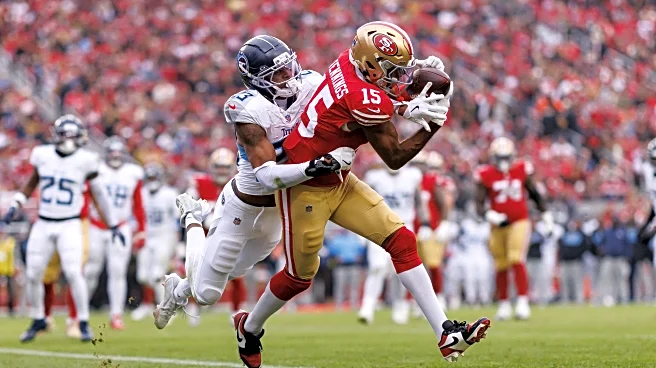
Rashid Shaheed is undoubtedly going to have a market, but is his market as large or any larger than Mike Evans, Alec Pierce, Jauan Jennings, Wan’Dale Robinson, or Romeo Doubs? What are the odds six FA wide receivers are all going to fetch well north of $20 million/year from their original team or another team? Doubtful.
Coby Bryant plays a position where the top three highest paid guys are Kyle Hamilton, Kerby Joseph, and Antoine Winfield Jr, all of whom signed big extensions with their original team. The most expensive free agent contract to a safety based on APY is Trevon Moehrig, who got $17 million/year from the Carolina Panthers. Coby Bryant is not seeing Antoine Winfield Jr money.
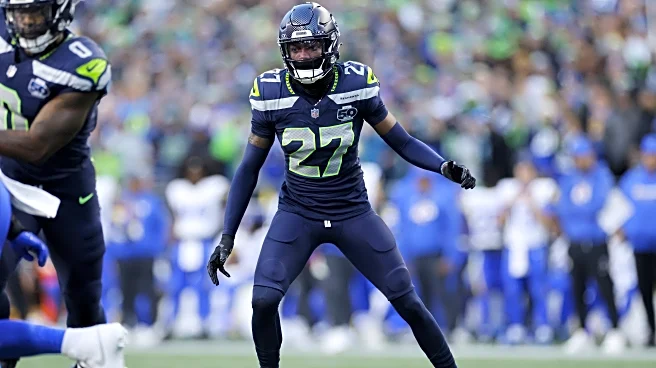
The only question mark would be cornerback Riq Woolen, whom like Walker is at the top of the free agent class but at a position with higher value than running back. In the absolute best case scenario for a third-round comp pick, a team treats Woolen like he’s a top-5 corner and pays him as such, which would put him in Da’Ron Bland territory. Anything less than that and he’ll probably need an All-Pro caliber season with a high snap count rate to offset not being in that projected cutoff range.
There’s nothing wrong with the potential for Seattle to get 4th-7th round comp picks, but getting the highest possible value in the formula is very difficult to envision for the Seahawks’ top free agents.
![Daily Slop: 7 Mar 26 – John Keim: The Commanders will be “way more aggressive [in free agency] than the last couple years”](https://glance-mob.glance-cdn.com/public/cardpress/binge-magazine-card-generation/spaces/US/en/sb-nation/images/ppid_2cf3d240-image-177289509654614715.webp)