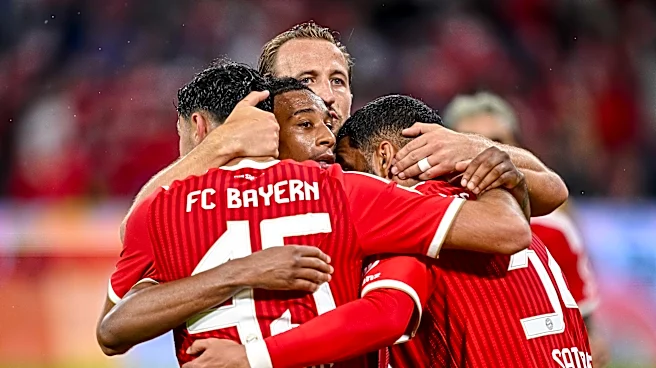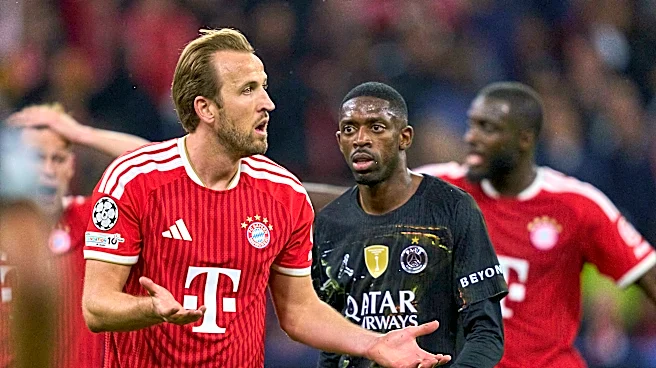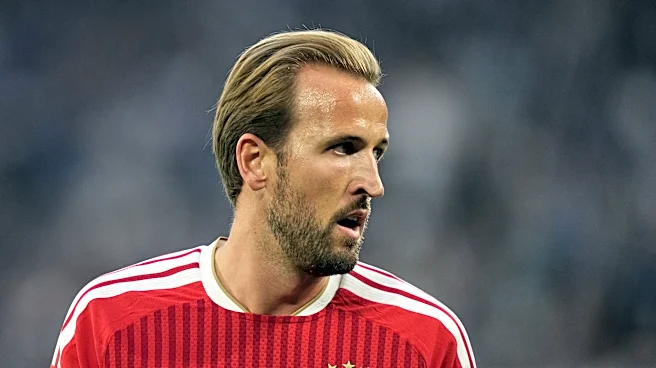




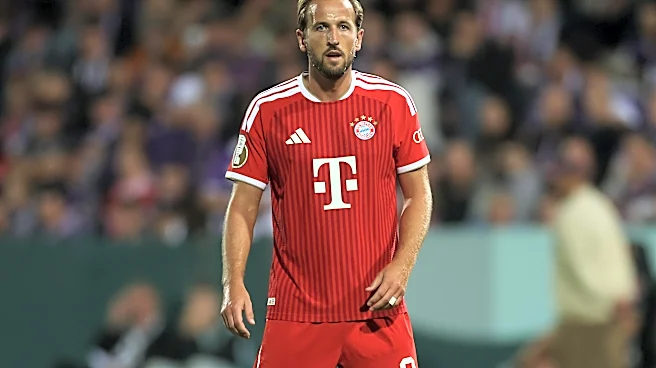
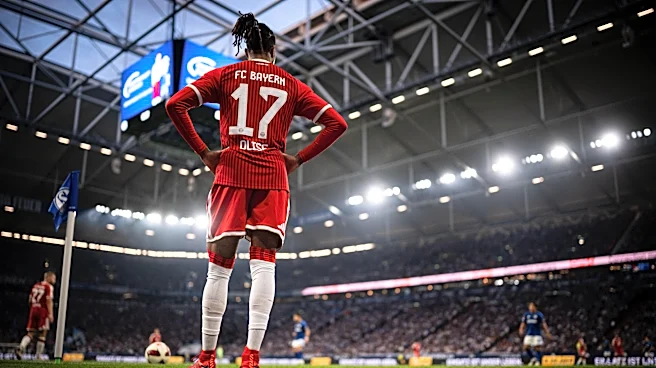
Harry Kane’s remarkable 2026 campaign is not only turning heads across Europe, it is making him the clear favorite for football’s biggest individual prize.
According to the latest projections provided by Canada Spots Betting, the Bayern Munich striker has a 64% chance of winning the Ballon d’Or, putting him comfortably ahead of the competition.
Kane’s consistency in front of goal, leadership, and influence for both club and country have made him the standout candidate. Whether it has been delivering
in the Bundesliga, the Champions League, or on the international stage, the England captain has continued to prove why he is regarded as one of the world’s elite players.
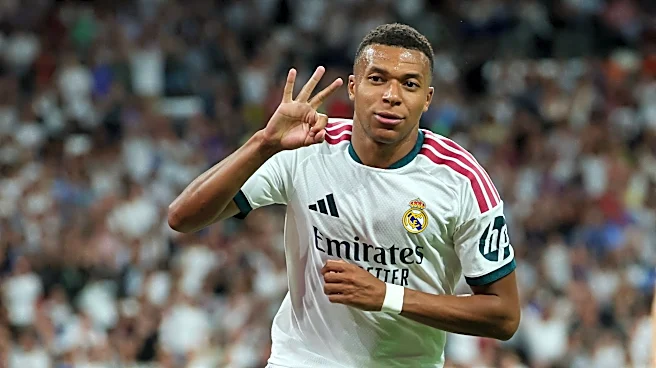
Barcelona sensation Lamine Yamal sits in second place with an 18% probability, highlighting the teenager’s incredible rise, while Manchester City midfielder Rodri follows with an 11% chance. Real Madrid star Kylian Mbappé rounds out the leading contenders at 5%.
For Bayern Munich fans, it is another reminder of just how fortunate the club is to have a player of Kane’s caliber leading the line. If these projections hold true, the Ballon d’Or could soon be heading to Munich (barring some kind of major screw job or journos acting irresponsibly).
Below is the breakdown in table format:


How does the Ballon d’Or Supercomputer work? Well, check out the description for how it all came together:
The 2026 Ballon d’Or Supercomputer, conducted by CSB, is a probability model, not determined by human predictions or bias.
What happens is the Supercomputer estimates each player in the 30-man shortlist and their respective chances of winning the Ballon d’Or and their chances of ranking in places up to 10th place.
This is based on a number of factors including their form during the 2025/26 season, other individual accolades they have won from the previous campaign, and the team trophies they have won in this time. The Supercomputer also factors in sentiment analysis of each player and their chances of winning the Ballon d’Or as well as betting market odds.
The machine then simulates the Ballon d’Or rankings 10,000 times and constructs an average rankings table. Dashes in the table indicate a probability of absolutely zero per cent for that position while ‘<1%’ indicates a less than one per cent chance of a player ranking in that spot.
The Supercomputer was conducted after the 30-man shortlist for the Ballon d’Or was announced.
Join the conversation!
Sign up for a user account and get:
- New, improved notifications system!
- Fewer ads
- Create community posts
- Comment on articles, community posts
- Rec comments, community posts