




The 2026 WNBA Finals are here.
Game 1 tips at 3:30 p.m. ET on NBC, and Cat and Edwin have already previewed the series for the No. 2-seed Golden State Valkyries and No. 4-seed Atlanta Dream, respectively.
I wanted to add to what they’ve covered by looking at five player categories—leading scorers, point guards, high-volume 3-point shooters, elite post defenders and experienced vets—and breaking down what each respective player for the Valkyries and Dream bring to the table.
In the comments, share who
you think has the edge in each category.
Leading scorers: Gabby Williams vs. Allisha Gray

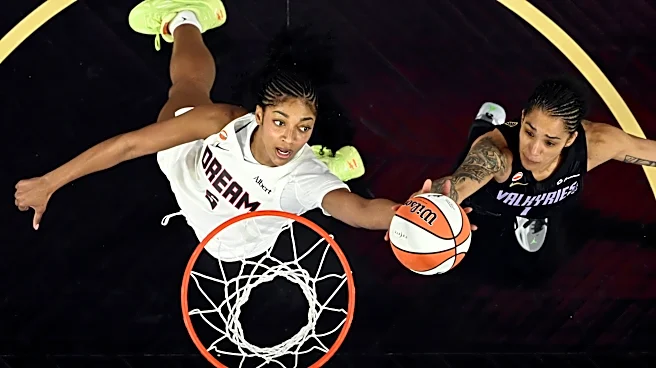
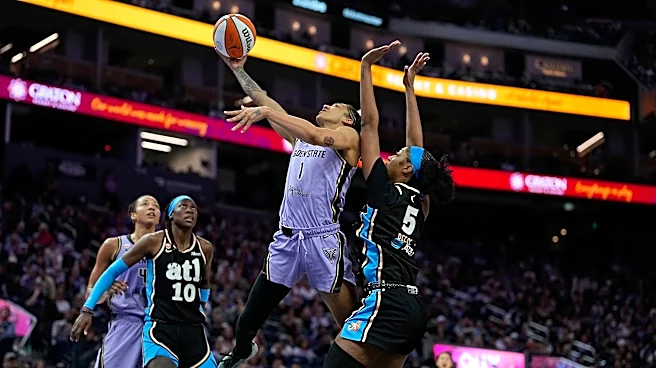
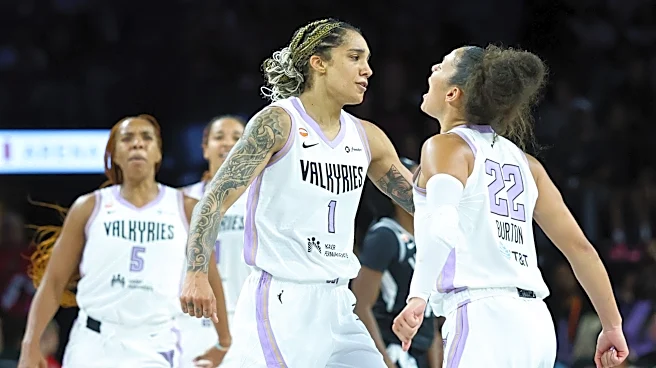
Gabby Williams has been called the best player in the world by Valkyries owner Joe Lacob, and if she were to ever consistently put up the elite offensive numbers she’s posted in these playoffs, he would have a case. That’s because she’s already one of the best in the world on defense.
She averaged 14.4 points per game in the regular season, which isn’t a lot for a team’s leading scorer, but she’s up to 22.7 in the playoffs, which leads all Finals participants. As Cat mentioned in her preview, star power is typically what drives success in the WNBA.
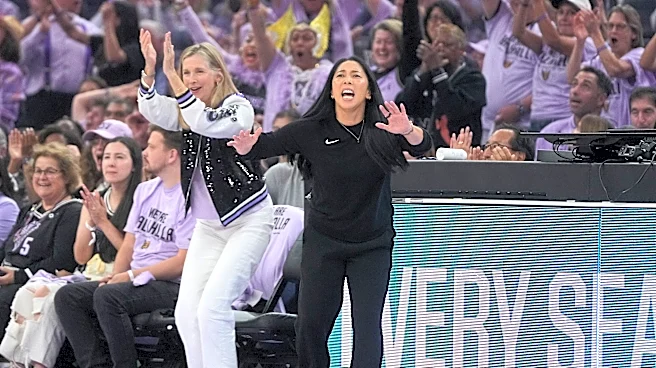
Can Gabby play like a superstar for Golden State and alleviate the pressure on Natalie Nakase to figure out who the hot hand will be on her deep-but-not-top-heavy team?

Allisha Gray is arguably the best player on the Dream, with it being a close call between her, Angel Reese, Rhyne Howard and, hey, maybe even Jordin Canada. Gray led Atlanta with 19 points per game in the regular season, following up on a phenomenal 2025 that saw her finish fourth in MVP voting.
The big news with her is obviously her injured ring finger and pinky on her left hand, which is her shooting hand. It forced her to miss nearly all of the semifinals after she dropped 22 points in each of the Dream’s two first-round contests. Gray, listed as questionable, has indicated that the Dream’s medical staff will make the final decision on whether she plays in Game 1 of the Finals.
Atlanta swept a really good New York Liberty team without her, so imagine how dangerous they will be if she returns.
Point guards: Veronica Burton vs. Jordin Canada

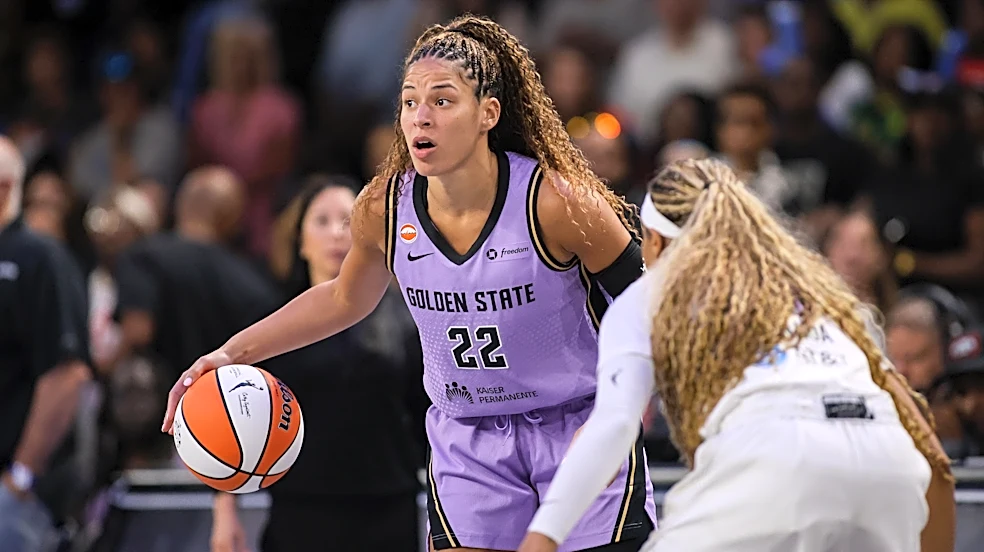
Veronica Burton knows her role, which is to be one of the best defenders in the league, as well as one of the best distributors. She must be respected in both areas. Her third-place finish in assists per game in 2025 is nothing to sneeze at, and she followed it up with 5.7 dimes per game this year, good for ninth in the W.
She can also tap into her offensive game when needed; she’s established herself as a clutch shot-maker, so don’t be surprised if the Valks put the ball in her hands in crunch time.

Jordin Canada’s career assist rate was similar to Burton’s before this season, in which Canada took a leap up to 7.3 helpers per contest, good for third in the league. (Burton’s career-best is six per game.) Like Burton, Canada was selected to the All-Defensive Second Team.
The sky is the limit for Canada, and, in turn, the Dream, because of her ability to speed past everyone, get into the paint with ease and wreak havoc. Plus, her 12-for-24 mark from 3 this postseason is a huge game-changer for a player who is not typically elite from behind the arc.
She could be the Dream’s best player on any given night in the Finals.
High-volume 3-point shooters: Janelle Salaün vs. Rhyne Howard

The unanimous Sixth Player of the Year, Janelle Salaün led the 3-point happy Valkyries in attempts with 237, cashing in on 93 of them for a 39.2 percent clip. In just 22.1 minutes per game, she averaged 5.9 attempts per game and 2.3 makes per game to lead Golden State in both of those categories as well. Out of the entire league, her total attempts ranked No. 9, her total makes ranked No. 8 and her efficiency ranked No. 17.
As Cat pointed out in her preview, Salaün was a non-factor in the semis. After playing 21 minutes in Game 1 of the first round and 30 minutes in Game 2, she has played under 10 minutes in each of the four games since. However, if she gets significant minutes in the Finals, she won’t be shy about firing away from deep, and the Dream will have to respect her.

Rhyne Howard has led the W in 3s attempted each of the past two seasons. This year she topped Caitlin Clark’s 2024 record for the most attempted in a single season with 377. With 43 games played, that comes out to 8.8 attempts per contest. Last year, she attempted 9.6 per contest!
Howard shot a career-high 35.5 percent from deep, which isn’t quite up to par with Salaün, but it’s pretty good. She’s attempting so many triples that if she gets hot, things could get out of hand for Golden State in a hurry.
Elite post defenders: Kiah Stokes vs. Angel Reese

Kiah Stokes may have been the Valkyries’ most valuable player in the semis, considering the defense she played on the W’s leading scorer and MVP in A’ja Wilson.
Wilson was always gonna get hers, and cracked 20 points in all three games. But Stokes helped keep her under her average of 26.2 points per game in all three. In the deciding Game 3, Wilson shot 6-for-19 (31.6 percent) from the floor, as Stokes played the second-most minutes of her entire 11-year career, accounting for the playoffs or and regular seaso. Her 37 minutes and 32 seconds (albeit in a game that went to overtime) fell just 14 seconds shy of the 37 minutes and 46 seconds she played for the Liberty in a game that went to double OT way back on June 22, 2016.
While Nakase is going to ride the hot hand on offense, she also is going to rely on the players who are bringing it on the defensive end. And that’s Stokes.

Stokes was named to the All-Defensive Second Team, while Defensive Player of the Year Angel Reese is on the First Team.
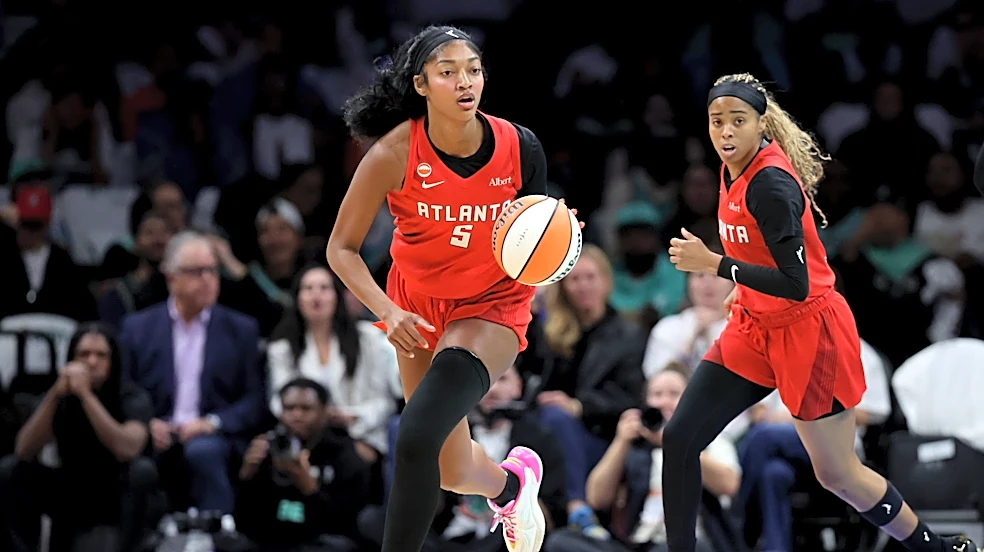
Stokes will again face a challenge, as she is tasked with slowing down Reese’s offense. Meanwhile, Reese isn’t going up against any formidable offensive forces in the post. She’ll still need to be disruptive, though, getting into the passing lanes for steals and blocking or altering guards’ shots at the rim. And her speciality is of course rebounding; she hauled in 7.3 defensive boards per game in the regular season.
Reese was third in the W in steals per game (1.8) this year, behind only teammates in Howard and Canada. In the playoffs, she’s averaging 2.2 blocks per game, which is the best among Finals participants, and 1.6 swipes per game, which is the fifth-most among players competing in this series.
Experienced vets: Tiffany Hayes vs. DeWanna Bonner

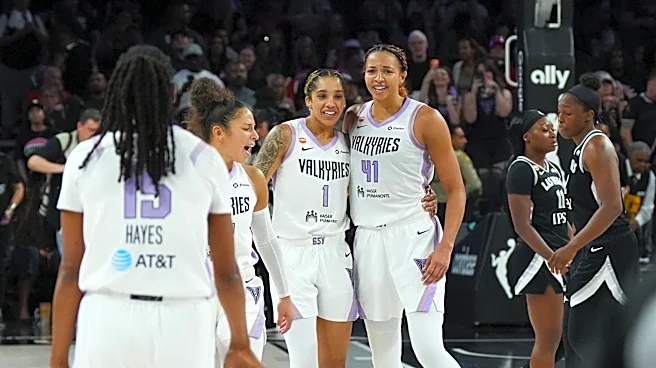
Tiffany Hayes is 37 years old and in her 14th WNBA season. She spent 10 of those seasons in Atlanta. She has played in 39 playoff games. The next-oldest Valkyrie is Kayla Thornton, who turns 34 on Tuesday.
Hayes has been one of the WNBA’s most underrated stars for a long time. Now, she’s doing whatever Nakase asks of her and is inspiring her younger teammates through her play and her leadership. She’s got a lot left to give in both areas, with her 13.3 points per game in these playoffs being second on the team behind only Williams.

DeWanna Bonner is 39 years old and in her 15th WNBA season. The next oldest Dream player is Gray, who is 31. Bonner is a two-time WNBA champion (2009 and 2014 with the Phoenix Mercury), a six-time All-Star and third on the all-time WNBA scoring list. She has played in 103 playoff games. Needless to say, she provides a lot of wisdom, having been there, done that.
The Phoenix Mercury agreed to buy out Bonner toward the end of the regular season, allowing her to sign with a team that had a shot at the title. She chose the Dream, and has contributed 13.2 points per game and 6.4 rebounds per game in the playoffs. Like Hayes, she’s got her team’s crowd rallying behind her, providing extra juice every time she hits a shot.