





When the Huskies suffered their first wobble of the season over a sub-par Mary Nutter Classic early in the year, they rebounded with 20 straight wins. Coming off a rough weekend in Northern California two weeks ago, they started another winning streak against Minnesota and had the chance to continue it against their arch rival. Washington’s mid-April trip to Eugene was always going to be a defining stretch. The Huskies entered the rivalry series against No. 18 Oregon still unbeaten in Big Ten play.
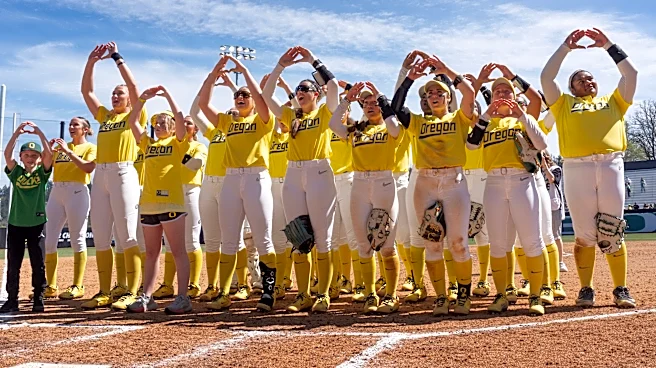
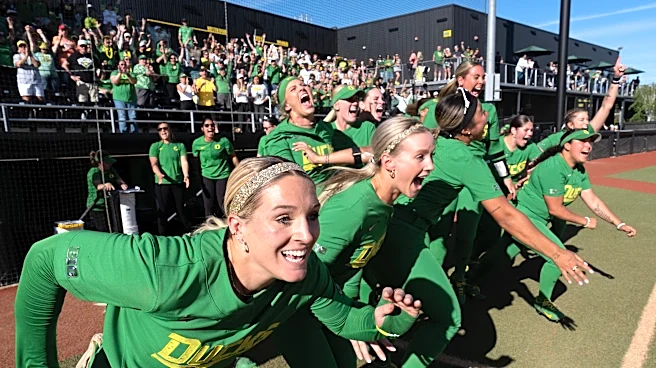
Instead, the weekend turned into a reality check. Oregon swept all three games from April 17–19, handing UW its first conference losses of the season and exposing some familiar issues in both the circle and in high-leverage moments.
Friday’s opener followed a script that has become frustratingly recognizable when Washington faces top-tier competition. The Huskies hung around, even briefly seized momentum, but could not contain one decisive inning. Oregon struck first with a two-run homer in the opening frame and added another run in the third to take a 3-0 lead. UW finally broke through in the sixth inning when Giselle Alvarez launched a solo home run, and moments later Melody Acevedo delivered a two-run double to tie the game at 3-3.
That rally should have been the turning point. Instead, it set the stage for the game’s defining sequence. Oregon responded immediately in the bottom half of the sixth, first reclaiming the lead on a bases-loaded walk and then blowing the game open on a grand slam from Emma Cox. In a matter of minutes, a tied game turned into an 8-3 deficit. Alexis DeBoer added an RBI double in the seventh, but it was cosmetic at that point as UW fell 8-4.
The loss itself was not catastrophic (Oregon is a ranked team playing at home), but the manner was disheartening. Washington showed it could generate offense against a quality opponent, but the inability to shut down that opponent immediately after scoring remained a concern. Against lesser teams, the Huskies have often been able to absorb those lapses. Against Oregon, they were punished instantly.
Saturday’s game was tighter, but the outcome was the same. Washington actually leaned into its power bats, getting all of its offense via solo home runs. The Huskies hit three long balls, continuing a season-long trend of relying on extra-base damage rather than sustained rallies. But once again, it was not quite enough. Oregon matched that power output with home runs of its own and ultimately edged UW 5-4 to clinch the series.
In some ways, Saturday may have been the most frustrating game of the weekend. There was no single collapse inning like Friday. Instead, it was a matter of margins. Washington generated enough offense to win on many days, and the pitching was solid enough to keep things within reach throughout. But the Huskies could not string together hits beyond the home runs, and when the game tightened late, Oregon made just enough plays, both on the mound and defensively, to hold the lead.
Early in the season, Washington’s offense often felt overwhelming. They could pile up runs in bunches, and even if a game stayed close for a few innings, a crooked number eventually broke it open. Over the last few weeks, against better competition, that has not happened as consistently. When games remain within one or two runs deep into the late innings, UW has not always been the team delivering the decisive blow.
Sunday’s finale completed the sweep and reinforced many of the same themes. Oregon again controlled much of the game and closed out the series with another win, finishing the three-game set without giving Washington a foothold back into it. While the exact flow differed from the first two games, the broader takeaway remained consistent: UW was competitive, but not quite sharp enough in the biggest moments to flip any of the results.
Stepping back, the weekend can be viewed as both discouraging and clarifying. On one hand, getting swept in a rivalry series is a setback. Washington had built its resume on consistency and depth, but in Eugene, those advantages were less apparent. The Huskies did not look overmatched, but they did look a step behind in execution when it mattered most.
On the other hand, the series also provided a clearer picture of where this team stands. Washington is still very good. They proved that repeatedly over the first half of the season, and nothing in this weekend suggests a dramatic drop-off. But there is a difference between being very good and being among the elite teams that can consistently win series like this on the road. Right now, UW appears closer to the former than the latter.
There were still individual positives. Alvarez continued to be one of the most reliable bats in the lineup, delivering key extra-base hits and providing middle-of-the-order stability. Acevedo’s clutch double in Friday’s game was one of the bigger swings of the weekend for UW, even if it was ultimately overshadowed. DeBoer remained productive as well, contributing key hits even when she was not carrying the offense outright.
But the broader concerns remain familiar. The pitching staff has shown flashes of dominance this year, but against stronger lineups, it has struggled to consistently put away innings without damage. Big swings, like Cox’s grand slam on Friday, have been particularly costly. Offensively, Washington still has plenty of power, but when that power does not translate into multi-run innings, the lineup can look more ordinary than it did earlier in the season.
Ultimately, the Oregon series felt like a checkpoint. The Huskies entered it with an unblemished conference record and the look of a team that might cruise through the Big Ten regular season. They left it with their first league losses and a clearer sense of the adjustments still needed. There is still time to make those adjustments, and UW’s overall body of work remains strong. But if this team wants to reach the highest tier nationally, weekends like this will need to look different the next time around.