

Ohio State’s Cotton Bowl matchup with Miami presents a familiar postseason problem: how to function offensively when an elite defensive line shrinks time and space.
Miami’s front, anchored by NFL-ready edge rushers like Reuben Bain and Akheem Messidor, is capable of disrupting protection without heavy blitzing. That reality makes deep, long-developing shots harder to come by for Julian Sayin and the Buckeye offense, especially if the Hurricanes can win early downs and force obvious passing situations.
Against that kind of pressure, Ohio State’s offense must lean on efficiency, rhythm, and routes that develop quickly, not just explosive perimeter plays.
Max Klare and the backs as pressure answers
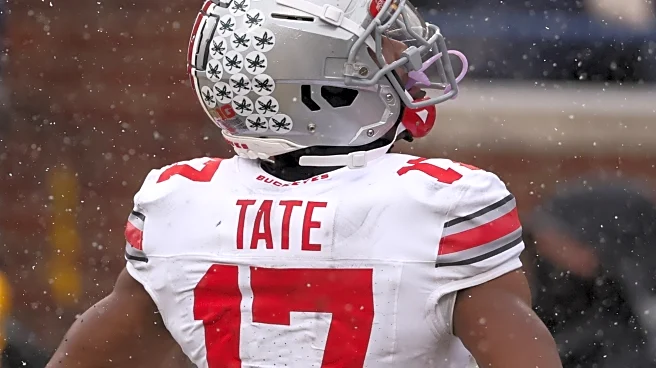
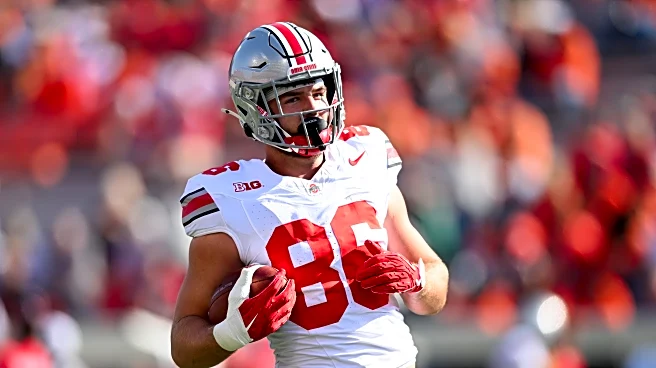
That’s where Max Klare and the running backs become central to the game plan. Klare’s ability to win quickly in the middle of the field gives Sayin a reliable outlet when the pocket compresses. If Miami dedicates extra resources to slowing down Jeremiah Smith or Carnell Tate.
Klare can exploit linebackers and safeties in coverage, turning short completions into chain-moving gains. The same is true for Ohio State’s running backs, led by Bo Jackson, whose pass-catching ability allows the Buckeyes to punish aggressive fronts with screens, check-downs, and mismatch routes that neutralize pass rush momentum.

A quiet path to controlling the game
Ohio State doesn’t need Klare or the backs to dominate the box score to change the game, they just need to keep the offense on schedule. Quick throws, efficient touches, and reliable outlets can slow Miami’s rush and force the Hurricanes to defend the entire width and depth of the field.
If the Buckeyes can consistently convert pressure into positive yards, the offense stays balanced, the playbook stays open, and explosive opportunities eventually follow. In a playoff game likely defined by protection and patience, Ohio State’s tight end and running backs may quietly determine whether the Buckeyes dictate the flow or spend the night reacting.