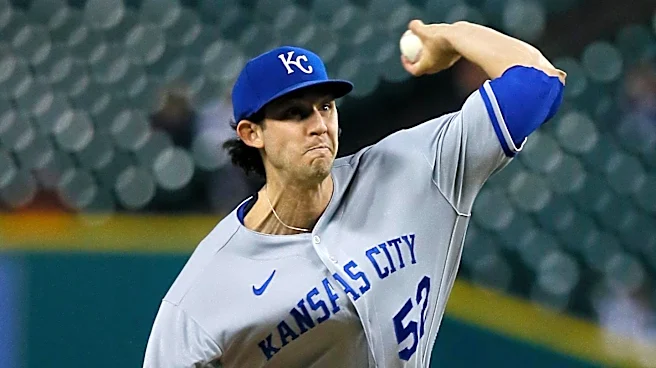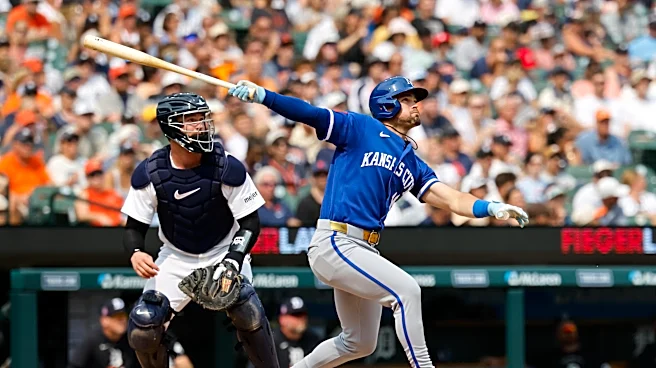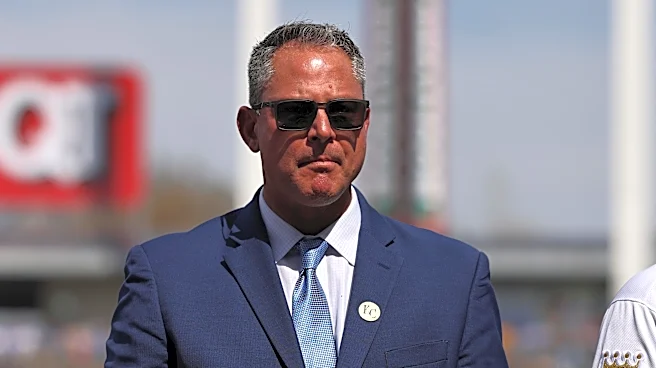



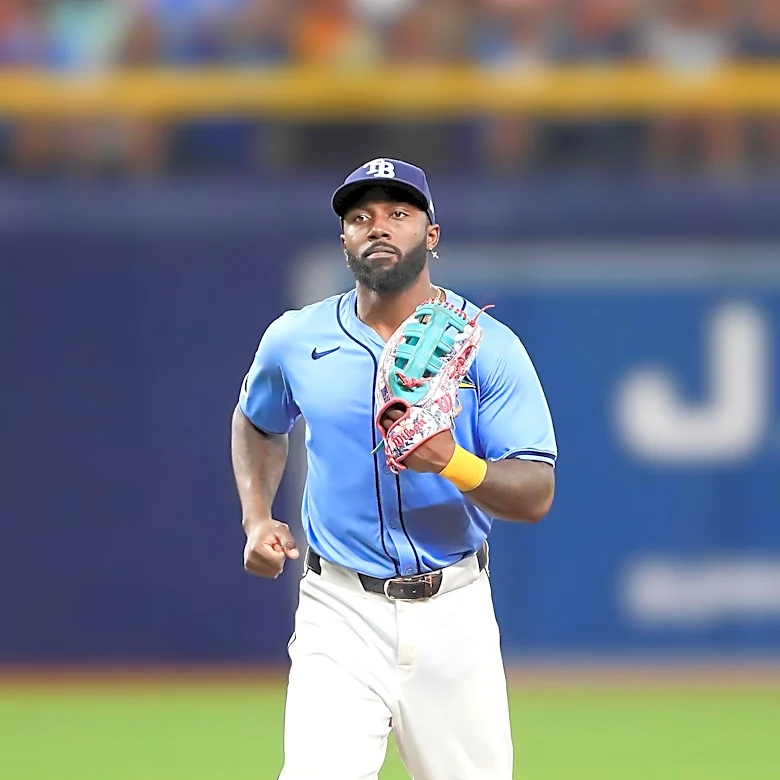

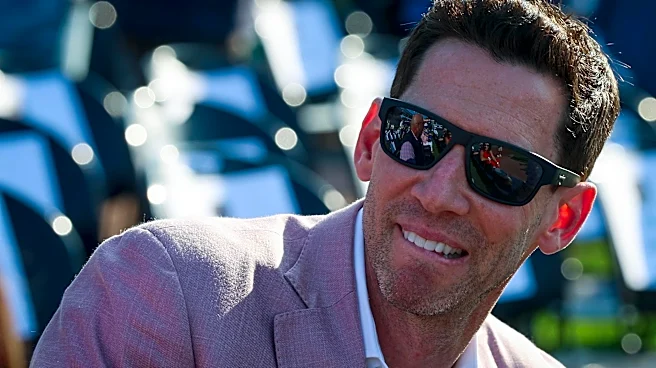
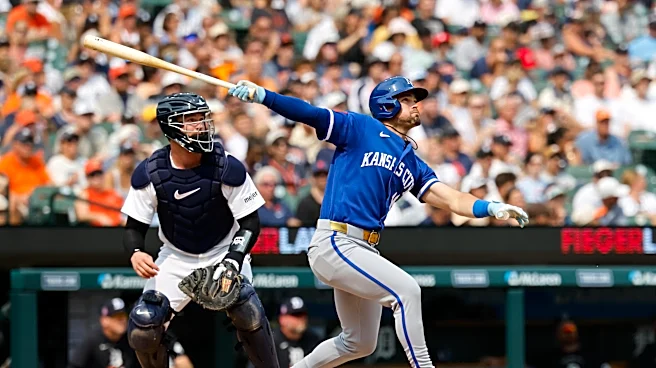
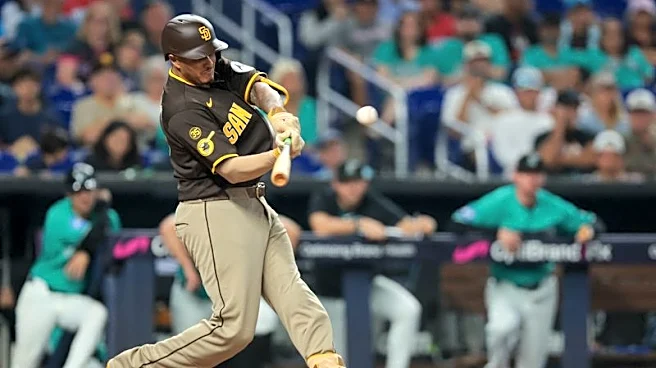
The 2026 season has been a big fat dud for the Kansas City Royals, a team that had designs on competing in what looks like a weak Central Division. With the August 3 trade deadline soon approaching, the Royals will almost certainly by sellers. The question is – what path will they take? General manager J.J. Picollo has said the team will be “open-minded to anything,” but will the team look at a modest sell-off of expiring contracts, a more aggressive re-tool, or will they combine selling with buying?
Here’s what each approach would look like, and what it would mean for the future of the franchise.
The obvious moves
Any team out of contention is going to look to move players on expiring contracts. The Royals have a few candidates.
- John Schreiber has been fairly effective this year, and relievers are always in demand at the trade deadline. He has been a righty-killer – they’ve hit just .178 against him – but he has been hittable to lefties.
- Lane Thomas hasn’t been great, but he’s a solid right-handed bat who has hit .261/.366/.432 against lefties. Contenders could view him as a nice complement to their lineup.
- Starling Marte is a good clubhouse guy and has some value as a bench option, but the return is going to be very light for a 37-year-old with a 81 OPS+.
- Matt Strahm would have been a good trade chip except he has given up 10 home runs in 34.2 innings with a 6.75 ERA. Unless some team thinks they can fix him quickly, I wouldn’t count on a suitor.
- Kris Bubic is throwing and expected to return in August, but his injury and lack of availability will considerably diminish his trade value.
- Carlos Estévez and Jonathan India are unmovable due to injury and ineffectiveness.
Moving any of these players other than Bubic is a no-brainer, to get some sort of compensation for a player that won’t be under contract by November.
Bubic is a different case in that the Royals could risk offering him a Qualifying Offer to bring him back next year on a one-year deal. Plus it is very difficult to say what the trade value is for a guy with his injury history who is currently out. Most likely his trade value is quite low, although you could argue that they should move him for anything they can get. Had he returned before the deadline and established his health in a few outings, it would be a different story. The Royals seem to be snakebit historically in having valuable trade pieces get injured before the deadline!
The retool
The problem with just trading the rentals is that teams don’t give up a lot for two months of service unless its for an elite talent. Controllable years have value, and if the Royals are serious about adding talent to contend in the future, they may have to part with players that are under club control beyond this year.
Jeff Passan of ESPN suggested the Royals retool, writing that “Most of their top prospects are at the lower levels, so focusing on near major-league-ready talent — ones who will be there when the Royals move into their new stadium in 2030 or ’31 — makes sense.”
That means holding on to core players – Bobby Witt Jr., Jac Caglianone, Carter Jensen – but being willing to deal players who will be eligible for free agency in a year or two. The most likely candidates are pitchers Seth Lugo and Michael Wacha. The Royals opted not to trade Lugo a year ago, instead signing him to an extension that will pay him $20 million next year, with a vesting option for 2028. The 36-year-old has had mixed results since signing the extension, and the Royals may want to free up financial flexibility and avoid age catching up with him.
Wacha has been excellent this year, earning an All-Star appearance, and he is under a very club-friendly contract that will pay him $14 million next year with a $14 million club option for 2028. But if the Royals want to replenish the young talent in the organization, they may need to move the veteran while his value is still high. Wacha has been a steady contributor the last few years, but is 35 years old, and Father Time catches up to everyone.
Picollo seems open to moving the veterans, but with some reservations, saying “we have to be very, very pointed on what we want to get out of any one of those two. And it’s also, they made a commitment to us, and that’s big. And I think that’s important to the morale of the team.”
A retool could involve trading younger players as well. Daniel Lynch IV is having a breakout season in the bullpen, but the team could look to move him while his value is high. Michael Massey and Nick Loftin have also emerged as quality bats, but having both on the roster may be redundant, leaving one of them as a trade candidate. Vinnie Pasquantino could also become available if the team wants to get Caglianone back to first base, although his offensive struggles and recurring wrist injuries makes a deal less likely.
Selling and buying
The Royals are coming off back-to-back winning seasons, and even though they missed the playoffs last year, they seemed to think they were on the right track. Although this year has been a disaster, the Royals have indicated they think the nucleus of this team can get back to contention.
“You all know the core we have on this club that’s going to be back in the coming years,” Picollo told reporters last week. “It’s a really good starting point. So if we can add to the roster and get our roster better, that will be the objective.”
I would not rule out the Royals actually adding to the roster at the deadline, despite their place in the standings. They wouldn’t be interested in short-term players, but those that can help in 2027 and beyond. What would that look like? Perhaps they trade away Michael Wacha, but acquire a younger pitcher with some promise to take his place in the rotation. They trade away a short-term bat like Lane Thomas, but also look to acquire a young outfielder with potential in a separate deal.
The farm system has made great strides this summer, and the team could look to cash some of those chips in now to position the team back into possible contention for next year. They know they have a window with Bobby Witt Jr. they need to maximize, and they need to build a good team around him to have a chance at a postseason run.
What about a full-blown rebuild?
Passan writes that the Royals “can’t totally tear things down, not with Bobby Witt Jr. and Maikel Garcia locked up long term.”
But what if even Bobby is not off-limits?
At the Athletic, Red Sox beat writer Jen McCaffrey considers what it would take for Boston to acquire the All-Star shortstop, and suggests a starting point of outfielder Roman Anthony, pitcher Payton Tolle, top shortstop prospect Franklin Arias (#7 overall in MLB Pipeline’s list), and pitching prospect Anthony Eyanson (#49).
Sure, Bobby Witt Jr. signed a long-term deal with the club, but remember he has an opt out after the 2030 season. And the Royals may want to move him before that, when his salary rises $30 million in 2028. You could get a lot of talent for him. Anthony was third in Rookie of the Year voting last year, Tolle has been terrific this year at the MLB level, and Arias and Eyanson are both top prospects in baseball that could be in the big leagues in a year or two.
But it ain’t gonna happen.
Players like Bobby Witt Jr. are once-in-a-generation talents that don’t come around all the time. Prospects are great, but they often fail. Trading Witt for four young players – even highly rated ones – is still trading 80 cents on the dollar. Plus the team is trying to build support for public financing for a new stadium – dealing your franchise player is not conducive to that goal.
The Royals aren’t deciding whether to buy or sell. They’re deciding how aggressively to reshape the roster. Trading the expiring contracts is the easy part. The harder question is whether Picollo is willing to sacrifice good players today to build a better team in 2027 and beyond, or whether he believes this core simply needs a few tweaks to get back into contention. The next few days will reveal just how much faith the front office still has in this roster.