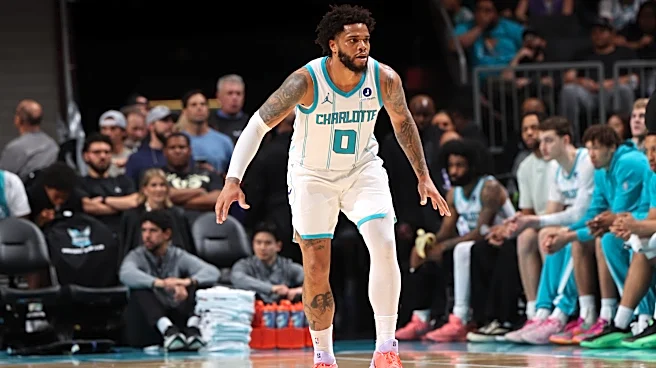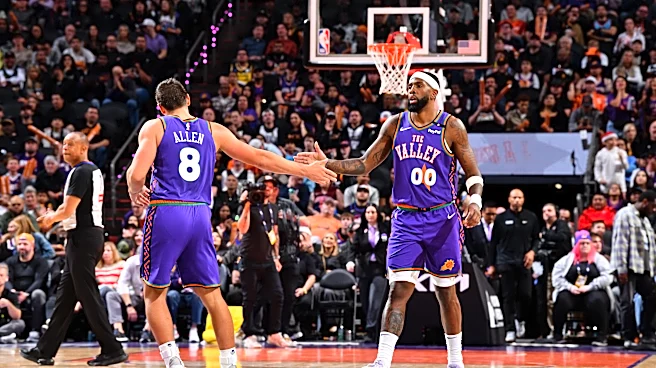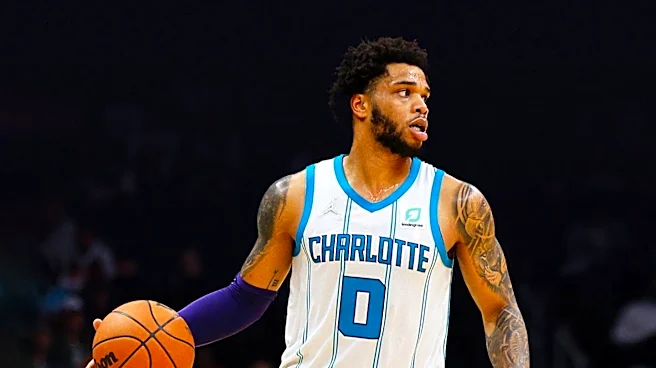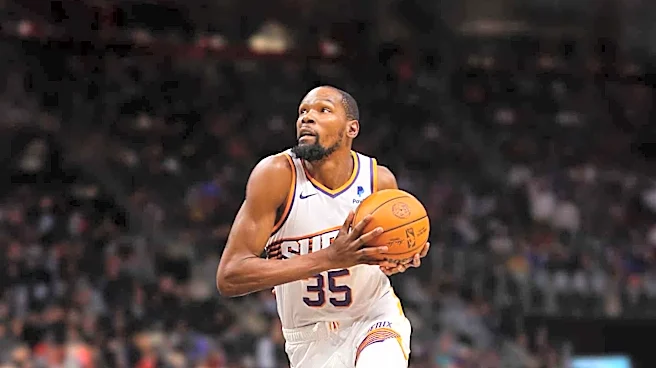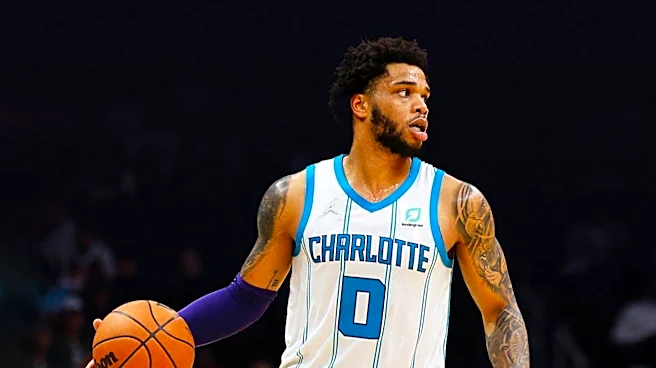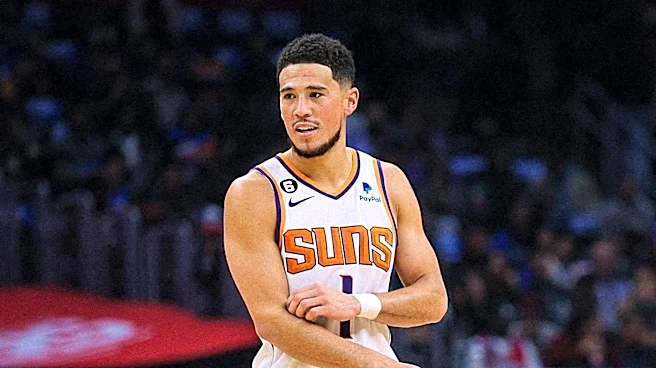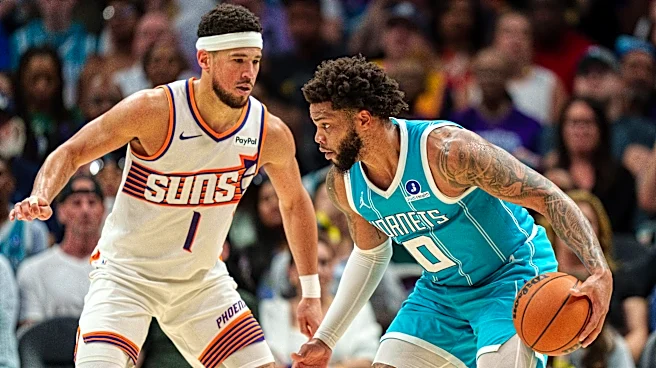


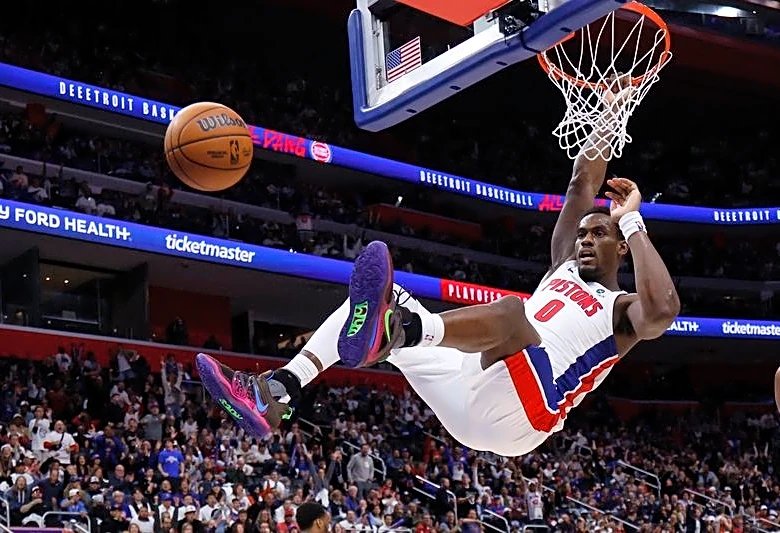

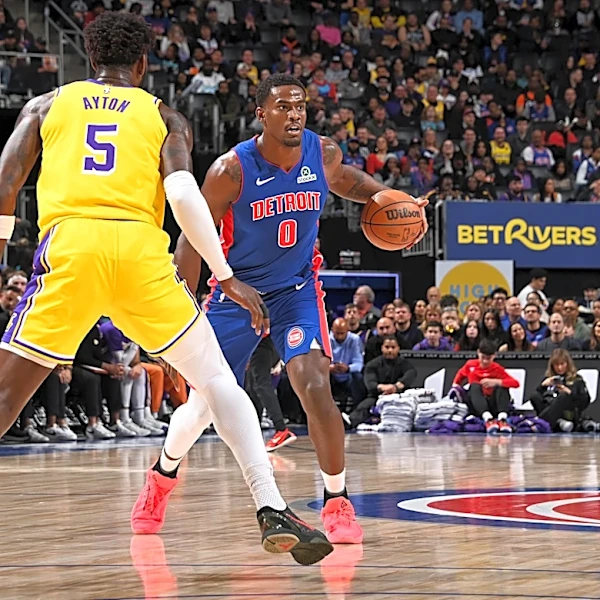
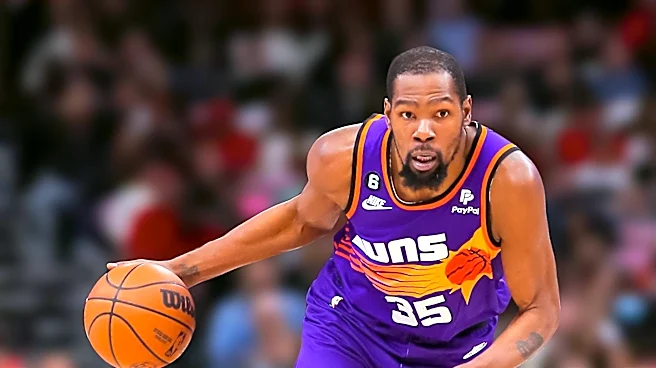
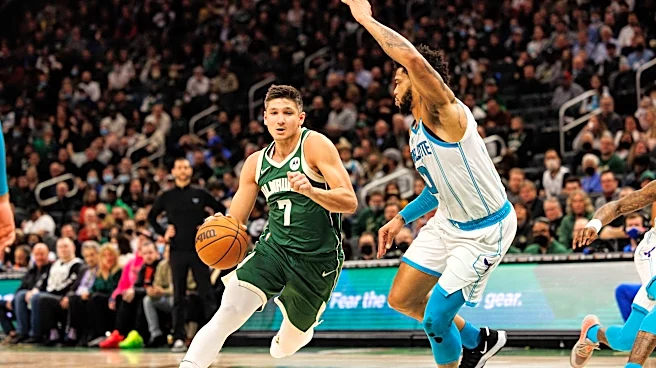
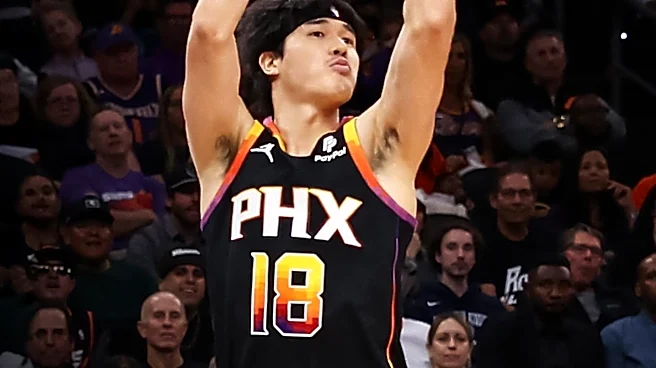


It’s a day later, and I’m still processing the trade the Phoenix Suns made to acquire Miles Bridges in exchange for Grayson Allen and Royce O’Neale. The personnel side of the transaction still has another chapter to be written. The Suns opened a roster spot and will now head into free agency looking for someone who can hopefully knock down a three-pointer.
But that’s not what’s rattling around in my brain. I’m still hung up on the picks. I still don’t understand why the Suns had to include their unprotected
2033 first-round pick to acquire Miles Bridges.
I understand what the deal accomplished from a flexibility standpoint. The trade gives the Suns access to their 2027, 2028, and 2029 first-round picks. Granted, those selections aren’t especially desirable because they’re heavily tied up in swap scenarios. But picks are the seasoning to the steak that is an NBA transaction, and having access to them is clearly something the Suns prioritized.
So I get that. I understand why organizational flexibility carries value. I’m simply not convinced it required paying the price Phoenix ultimately paid.
That 2033 first-round pick was an incredibly valuable asset. And you traded it for Miles Bridges, who is on an expiring contract. Sure, the team will most likely pick it up. They have to now, right? Why? Because trading a first-round pick for an expiring contract is, um, not smart?
I like the way Sam Quinn of CBS Sports framed it. The Suns weren’t the only team to trade an unprotected 2033 first-round pick this offseason. The Charlotte Hornets acquired another one in the deal that sent LaMelo Ball to the Minnesota Timberwolves. But that’s the difference. Minnesota traded its 2033 first-round pick as part of a massive swing for LaMelo Ball, a player who has the potential to be the engine of your franchise. In a stacked West, Minnesota was in a place where it was get better or risk a disgruntled Anthony Edwards.
That isn’t the case for the Suns. Would they like to be competitive? Yes. But illusions that this roster could compete for a title are a tad far-fetched at this point in time.
Phoenix used its 2033 first-round pick to acquire Miles Bridges, a player whose value is tied to having a high-volume offensive role. With Devin Booker and Jalen Green already accounting for so many shots (and Dillion Brooks jacking up an absurd 17.1 per game last year, which will certainly regress), that fit naturally raises questions. Again, once the Suns use that open roster spot in free agency, this deal may make more sense from a player personnel standpoint.
But trading that 2033 first-round pick, in my opinion, was simply irresponsible. That asset carries tremendous value. I can’t help but feel the Suns could have received more for it had they simply been patient enough to let the market develop.
But the Suns have had their eyes on Miles Bridges for quite some time. Ever since the franchise became Michigan State West, the relationships Matt Ishbia and Brian Gregory have with Tom Izzo have undoubtedly provided insight into who Miles Bridges is as a basketball player, insight the rest of us simply don’t have. Because of that, the organization reverted to its impatient tendencies. It took another chunk out of its future draft capital to acquire the player it wanted right now.
It’s funny, isn’t it? The Suns never seem to be the team acquiring the unprotected first-round pick. They’re always the team ending up with the swaps. They’re always the team sending out the asset with the greater long-term value.
I understand that front offices often view draft picks as lottery tickets years down the road. But when you watch what other organizations are able to accomplish with those same assets, like what the Minnesota Timberwolves managed to do this offseason, it leaves you scratching your head. It leaves you wondering why Phoenix felt it had to part with that pick.
I like where you’re going with this. The central thesis is clear: your issue isn’t acquiring Miles Bridges, it’s the price paid in future draft equity. I would tighten the ending so it lands more decisively instead of ending on a rhetorical shrug.
Maybe I’ll end up being wrong. Maybe Miles Bridges proves to be exactly the player Phoenix believes he is, signs a long-term extension, and becomes a foundational piece of the next era of Suns basketball. If that happens, this conversation changes.
Today, though, I keep coming back to the same conclusion. This wasn’t about acquiring Miles Bridges. It was about surrendering one of the organization’s most valuable remaining assets to do it. For a team that has repeatedly talked about patience, development, and long-term sustainability, it feels like another reminder that when the Suns identify a player they want, they still have a hard time waiting. And history has shown that’s often when they pay the highest price.