




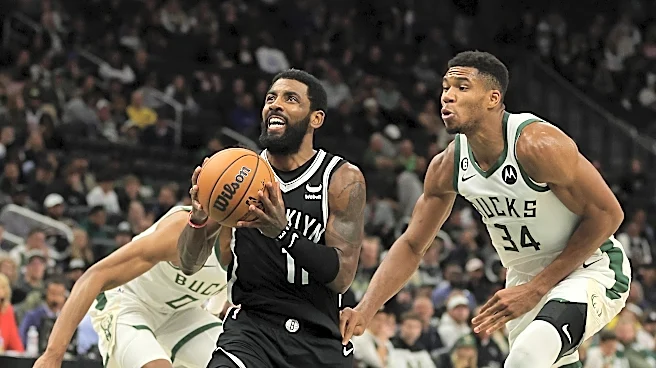
Of all the trade rumors the Portland Trail Blazers have been linked with, none generate as much energy and emotion as the fabled Superstar Trade. The idea of Giannis Antetokounmpo or Jaylen Brown joining the Blazers sends hearts racing and sets daydreams aflame.
Not so fast, says Henry Abbott of TrueHoop. As it turns out, trading for a big-name player is no longer the key to success in The Association. In fact, most teams who have mortgaged their future for a big swing at glory have ended up worse
for the experience.
Abbott admits that once upon a time, getting tippy-top talent led to predictable success. He cites Rasheed Wallace going to the Detroit Pistons in the early 00’s, Shaquille O’Neal joining the Miami Heat in 2005, LeBron James and Chris Bosh joining Miami in the early 2010’s as examples.
But those (and several more) all came before the league tightened constraints against big-spending teams. Beginning in 2011, the returns for superstar trades became more mixed. Kevin Durant to the Golden State Warriors and Kevin Love (and LeBron) to the Cleveland Cavaliers got mixed in with Joe Johnson joining the Brooklyn Nets and Russell Westbrook becoming a Houston Rocket. When the apron system took over the luxury tax, consequences became even more dire.
On average, teams that got top-30 salaried players in the decade from 2012 to 2023 ended up worse–eight fewer wins–three years later. The trend went from flat to down.
Then it got worse. In 2023, the league made the rules far tougher on big spenders, introducing the dreaded second apron, which (in addition to steep tax penalties) handcuffs the biggest-payroll teams from using many of the tricks of elite roster building.
Adding to the issue, the effect of superstar signings often outlasted the duration of the contracts themselves, or the player’s tenure with the team:
…in some cases, the damage outlasted the player’s stay. Most prominently, the Warriors dedicated a ton of salary and minutes to Durant which didn’t go to younger players. When Durant left, the Warriors tumbled down the standings. Four years after the coup of signing Durant, the Warriors had won two titles. But, less discussed is the associated reality that they were 56 wins short of where they had been before Durant arrived.
Per Abbott, teams have acquired Top-30 Salary players 15 times in the luxury tax era. Only once—the Boston Celtics winning in 2024 after acquiring Kristaps Porzingis and Jrue Holiday—has the move resulted in a championship.
Abbott cites three real problems with acquiring superstars in the current environment:
- The highest-paid players in the league are older, on average, than they were in the pre-apron era.
- They’re injured more and play fewer games.
- They take minutes away from young players whose development is the key to long-term success.
Abbotts numbers show that, before the league’s financial changes, teams who acquired big-name, big-salary players averaged an extra 0.7 wins per season two years after the deal. It dipped to -4.0 wins with the standard luxury tax rules between 2011 and 2023. Now the average is -7.3 wins, albeit with just two years of data in the current system.
Abbott concludes the article with a warning to those thinking a big name will cure their franchise’s ills:
…newly added superstars sometimes help great teams become champions. But they hardly ever do anything meaningful for mediocre teams, likely because older stars are short-term solutions but being a so-so team is typically a long-term problem. Bad teams need minutes, touches, and money for lots of young players, stars inhibit all of that.
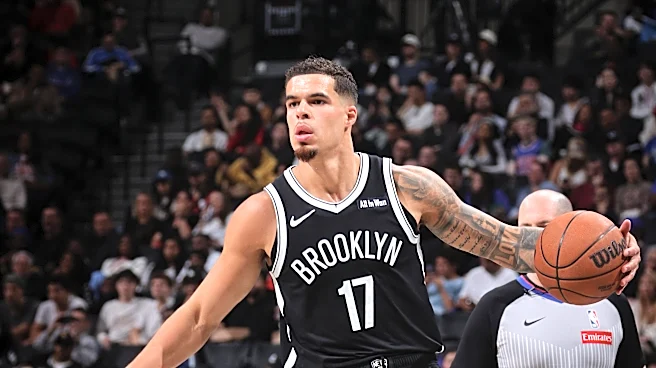
This is what weighs on me when I see reports that young teams like the Nets or Blazers might want Giannis: precisely incorrect. Trading the upward trajectory of young players and picks for the last few good years of an increasingly injury-prone player who’ll be 32 when next season starts is the kind of move that history shows has failed more than three quarters of the time in recent years.
Are you convinced or do you still think Giannis or Jaylen would be a good idea? Either way, leave your thoughts in the comments section below and make sure to read the original article!