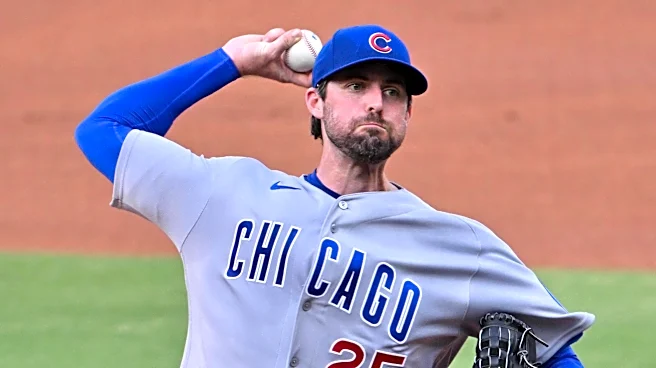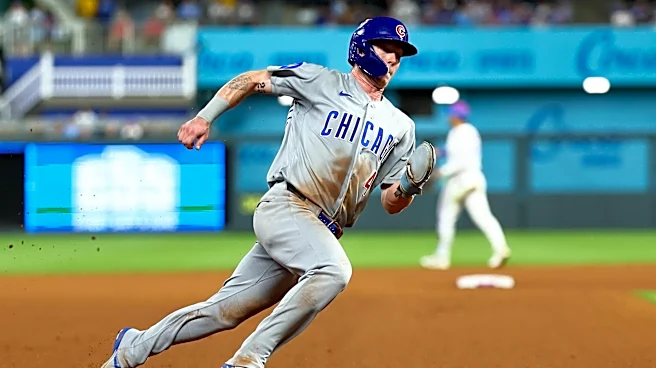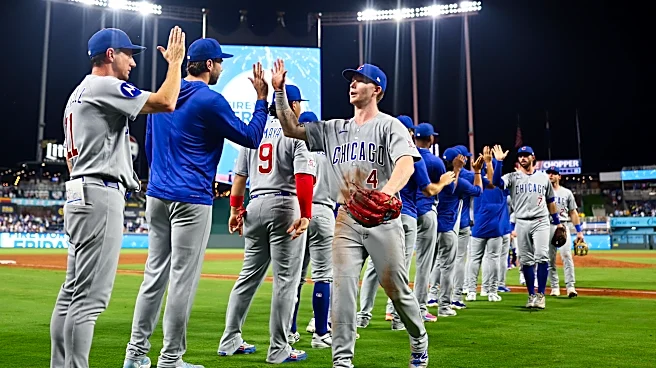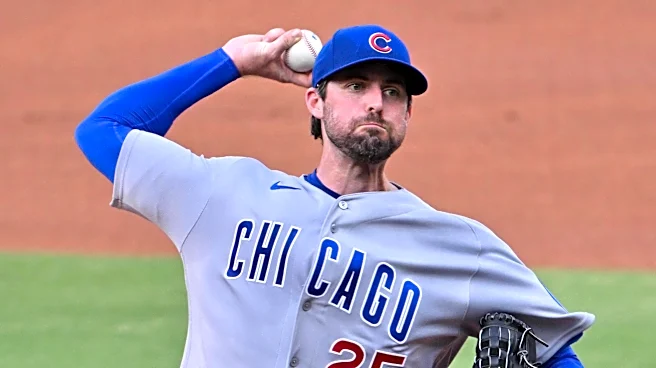

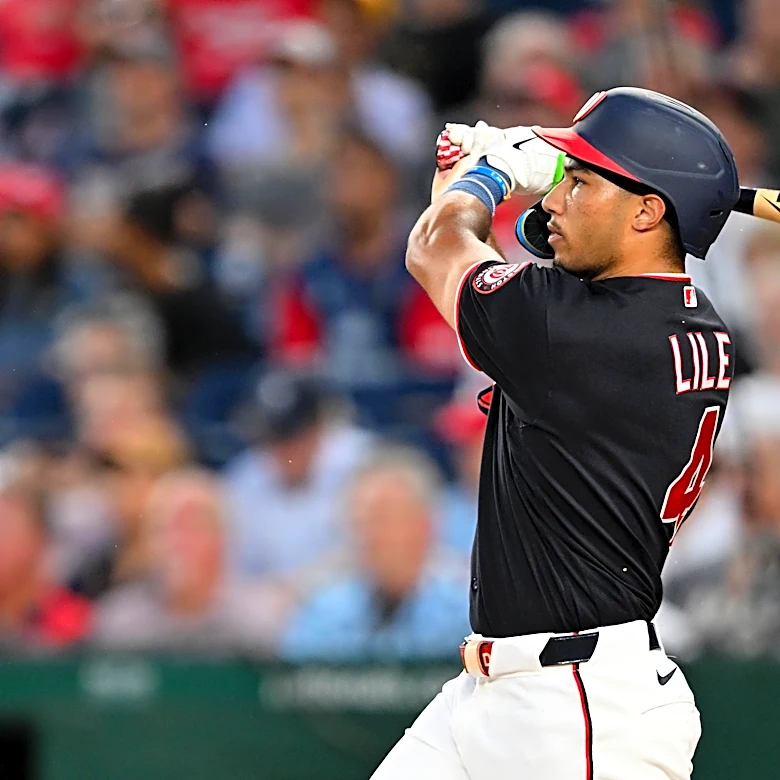

Clay Holmes made his Cubs debut against the Royals on Saturday. It probably wasn’t the box score line he was looking for, but seeing as it was his first start since taking a comebacker that broke his leg in mid-May, it was perfectly fine. He threw four innings, giving up four runs (all earned) on six hits while walking two and striking out one. Here’s more about that outing directly from Holmes:
Even if there are a few starts where
Holmes needs to shake the rust off like his first outing, the Cubs clearly see something in his arsenal that should work well with their elite defense. Today let’s dive into the numbers behind this trade that sent one of their top prospects back to the Mets in Jefferson Rojas.
The arsenal
Holmes is your classic sinker ball pitcher. He throws his sinker, which averages 94 miles per hour, about 50 percent of the time. You know what that means: ground balls. You don’t even really have to squint to see what the Cubs front office sees in this move: ground balls with an elite defense are more likely to be outs. You can see all of Holmes’ pitches along with their velocity in this screengrab from Baseball Savant:

This is a pitcher who tinkers a bit. There have been changes to his arsenal over the last few years, but it’s mainly in how much he throws a certain pitch. The biggest thing to look at in Holmes’ pitches is that his role shifted considerably from 2024, when he was an elite reliever with the Yankees to 2025 when he became a credible starter with the Mets. You can see how Holmes’ pitch mix has changed over time below:

The stats
Holmes can tinker all he wants if he winds up with ground ball rates like the ones he’s had over the past few seasons for the Cubs. These numbers were truly eye-popping to me. I ran a FanGraphs leaderboard for every pitcher’s ground ball rates since 2021 split by season for pitchers with at least 50 innings a season. Holmes has four of the top 15 seasons out of 1961 total seasons (yes, really). His worst ground ball rate (2025 with the Mets) is still in the top 10 percent, ranking 119th. There is elite in a single season and then there is elite over time. Holmes is elite over time, and I am dreaming on the double plays he’s going to have turned behind him already. You can see key stats from his last six seasons below:
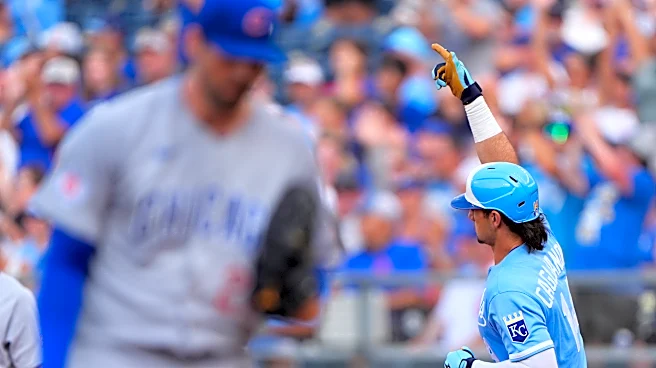
Holmes isn’t going to strike out a large number of batters (although he’ll probably strike out more than one every four innings like his Cubs debut) but he also isn’t going to walk a bunch of batters. His hard hit rate was up to 44.8 percent before the injury with the Mets, which is certainly something to keep an eye on going forward. He did give up eight hard hit balls against the Royals, but honestly more than half of that was Jac Caglianone having the game of his life, so I’m not terribly worried about that as a trend going forward. The Cubs are banking on Holmes limiting the walks and and turning those ground balls, hard hit or not, into outs.
The return
This was the most groan-inducing return in what was generally a great trade deadline for the Cubs front office. Pitching was expensive, and admittedly, the Cubs also got Tyrone Taylor (more on him later this week) in this deal. However, Jefferson Rojas was a top prospect in the Cubs system for a reason. Don’t just take it from me, here’s what FanGraphs most recent write-up of the 21-year-old says:
Rojas had a monster half-season at High-A in 2025, walking nearly as often as he struck out and slashing 278/.379/.492. While it was his second spin through the level, his look on both sides of the ball was enough for us to elevate him into the Top 100 in the middle of the year and hold him there through the offseason despite a really rough late-season performance at Double-A Knoxville.
Back with the Smokies to start 2026, Rojas has produced a great early-season statline but has been striking out much more than is usual for him, albeit in a very small sample made all the smaller by time off for a minor thumb issue for which he was not placed on the IL. In the days preceding his shutdown, he was very error-prone on defense (flubs, throwing inaccuracy). While Rojas isn’t going to win any Gold Gloves (his range and hands are only fair), he has the body control and arm strength to make up for his shortcomings, and he projects to stay at shortstop.
On offense, Rojas has tended to be an above-average contact hitter with excellent plate coverage. He’s frequently geared to pull and was swinging inside a lot of sliders in the lead up to list publication, but this wasn’t an issue for him last year, when he had roughly average chase and miss rates against righty slide pieces. While he’ll occasionally get extended on a pitch away from him and drive it to right field, most of Rojas’ contact is directed toward the left field foul pole, where he hooks lots of doubles and potential homers. Though he’s young, Rojas is already a pretty physical guy, and he isn’t likely to add substantial strength without it nerfing some of his mobility on defense. Here he projects to have an average hit/power combo seasoned by plus plate discipline, which should be enough for him to play every day at shortstop. His timeline — we’re looking at a post-2026 40-man addition and (slow playing it) a 2028 debut — overlaps with the team’s other infielders enough that Rojas should be considered a prime trade candidate, especially if the Cubs’ hot start is a true indication of their contender status.
Takeaways
As I said in my grading the trade deadline article, the problem isn’t that the Cubs moved Rojas, it’s that the return for a prospect of Rojas’ caliber used to be controllable starting pitching rather than rentals. To put this in perspective, Rojas was immediately FanGraphs’ top prospect in the Mets organization and while prospects aren’t promises this could be a kid we all watch in the All-Star Game someday and bemoan the Cubs front office giving him up for rentals. The flip side of that is that the Cubs have a shot to win it all now, and those seasons are precious. Props to Jed Hoyer and Carter Hawkins for going for it this trade deadline. I think we’d all rather sigh watching Rojas slug against the Cubs in 2028 than sigh watching the Cubs fall one pitcher and a right-handed bat short of winning the NLCS in 2026.