
Here’s the thing about human beings: we’re pretty good at asking for what we need, and finding alternatives when we can’t get it. In the early-to-mid-90s, thousands of men begged governments for access
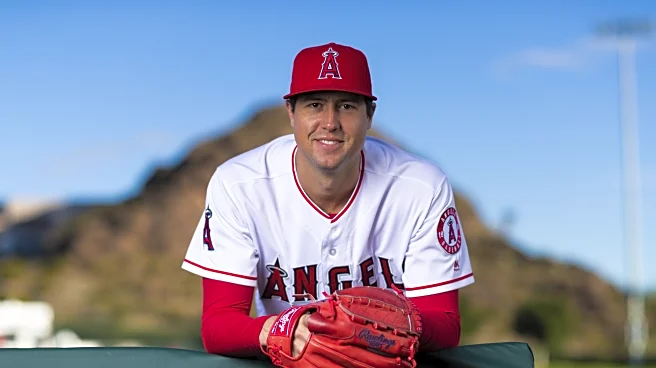
to AZT drugs, the only thing that could save their lives as HIV/AIDS wiped out a generation. Many of these men turned to unapproved drugs produced in Mexico and other Central American countries to give themselves some kind of chance. In more recent history, untold numbers cry out for treatment from opioid addiction, as the scourge of both fentanyl and Ocycontin, backed and approved by the Sacklers, claim life after life. Tyler Skaggs was one such person, someone so invested in seeking out pain relief that it cost him everything he had.
Skaggs’ family and the Angels reached a settlement in a wrongful death lawsuit on Friday, perhaps finally bringing the official proceedings following the left-hander’s death almost seven years ago to a close. Eric Kay, the man convicted of supplying Skaggs with the fatal dose of oxy and fentanyl, will spend the next 22 years in prison. Arte Moreno has agreed to pay an undisclosed amount in damages to the Skaggs family, and in 2022 MLB added random opioid screenings to the Joint Drug Policy.
Yet precious little attention has been paid to preventing the use of synthetic opioid painkillers in the first place, in acknowledging the grind that 162 games has on the human body and the cost incurred when a player admits they’re hurt. Whatever it was that drove Skaggs to seek out relief in the most underhanded fashion, his position on the Angels was not set in stone. I don’t want to make light of a dead man but in strict baseball terms Skaggs was an average pitcher in the final year of team control, battling chronic injury issues in the adductor muscle and the ankle of his drive leg, issues later credited with pushing him into self-medication.
He was exactly the kind of bubble player that fans, and then eventually organizations, are happy to wash their hands of, the Clint Fraziers who show glimpses of very real talent but never pull it all together. The kind of bubble player that gets replaced once a younger, more malleable player with those same glimpses show up. Tyler Skaggs’ admission of chronic injury might very well have written his ticket out of MLB, and no player will ever do that.
With that combination of pressure and pain, of course a man would turn to self-medication. Skaggs’ story with opioids is the same story that’s played out in millions of cases, someone dealing with a work-related injury lapses out of coverage, feels various pressures to shut up about it, but the fangs of addiction are already sunk in and there’s no other place to turn but the illicit market.
If there’s one thing I believe about the Tyler Skaggs case, it’s that he was not the only active user in MLB clubhouses. There’s too much money, too much pressure, too high a cost to not manage your own pain. Young men — especially those making six or seven figures — are terrible at evaluating risk, but excellent at figuring out ways to dodge urine tests.
I live in Vancouver, one of the cities most hit by drug poisonings and overdoses in the entire world. We’ve tried a lot of things in the last decade of this public health emergency, we’ve learned what does and doesn’t work. In spite of its popular political weight, involuntary confinement doesn’t work. Setting police loose on homeless communities doesn’t work. When your only tool is the baton, the population will come up with ways to avoid, to hide, or learn to take the baton across their back and keep going anyway.
When you’re proactive, when you open space to hear why people choose to use, when you increase shelter space, supervised consumption sites, and public awareness around things like Narcan, people stop dying. When admitting to being a user no longer comes with an anchor chain, people get better.
In the six and a half years since Tyler Skaggs was found dead, MLB has ignored any proactive measures around the use of opioids by its players. Every change in policy is reactive, waiting for something bad to happen before it gets addressed. If I’m right, if opioids are still used even on the fringes of the game, these policies won’t help anyone. The best tribute we could give to Skaggs is a truly proactive opioid policy, with amnesty and pain management as leading planks. We can’t help Tyler, but there are other young men out there in pain, and those ones we can.