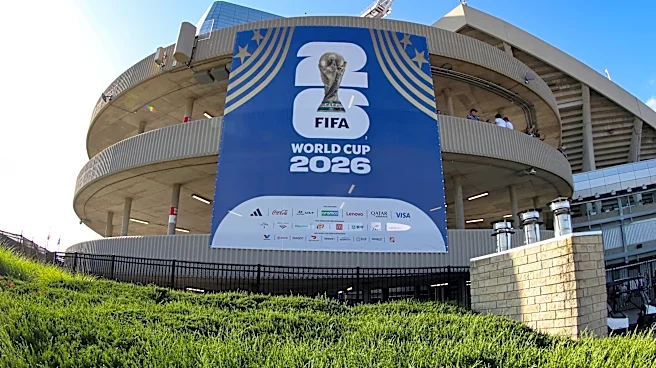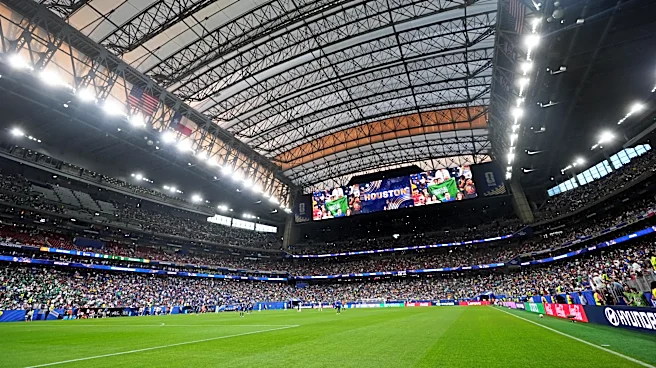




I’m enjoying the World Cup, and I hope you are too.
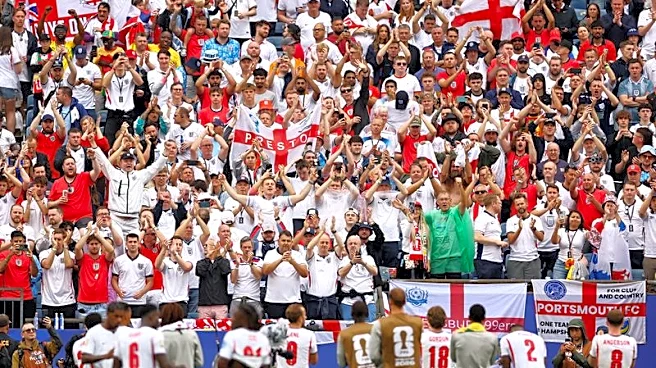
As well as the tournament itself, I’m also enjoying the competition between national fans. It feels like it’s gone up a notch in scale and intensity; a reminder of how powerful and distinctive supporter identity can be.
The Tartan Army has done itself proud and put the licenced trade in Boston further ahead of their annual financial targets than ever before.
Elsewhere, the Oranje has flowed like a tangerine river through Kansas City and the Norwegians
have rowed their longboats in Times Square, up escalators and on subway trains — and even their team is joining in on the pitch.

It’s magical and it’s great theatre.
We’re seeing national supporters expressing a shared identity through traditions, rituals and collective behaviour. We’re seeing that some of the biggest brands in football are the supporters. And I think we’ve seen a development from how this has manifested itself in the past to how it is now.
It’s more than a crowd of orange-shirted Dutch fans, for example. It’s now thousands strong pre-match, in unison. Orchestrated. Theatre. The difference is that we now have discernible behaviours. Everyone seems to know the script. It’s consistent, not a one off — and especially during this World Cup, it’s reported on massively, on global TV and in social media.
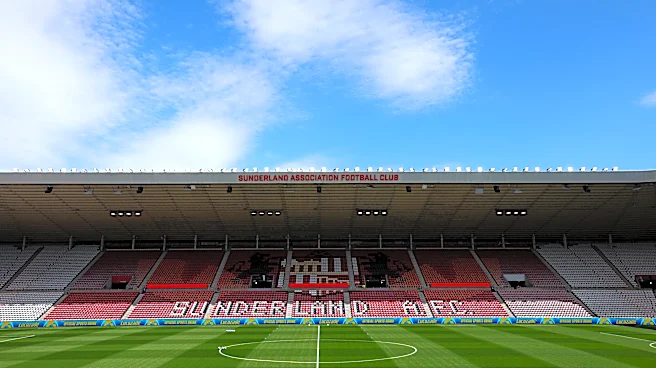
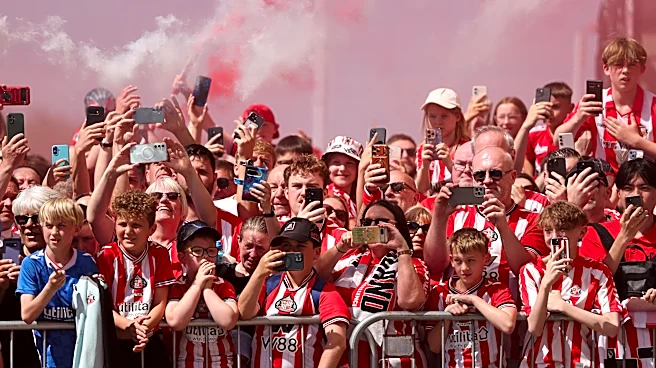
We’re seeing it in club football too. Especially in Europe and in Germany: the Yellow Wall in Dortmund, St Pauli in Hamburg. And we’re seeing it at Sunderland, especially during pre-match and especially for the bigger games.
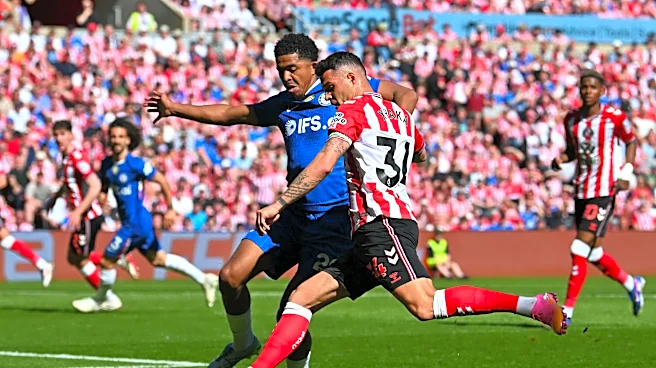
The opening game versus West Ham and the closing game versus Chelsea were spectacular book-ends to the season — and the derby was phenomenal.
It’s recognised that it makes a difference for the players both home and away. Supporter culture is becoming increasingly important and with broader exposure next season, it’ll be more and more significant.

Great credit must go to This is Wearside, Roker Report and other fans groups and media, and we’re regularly seeing a timetable of events published online: following the team coach to the stadium, the noise, the ship’s horn, Granit Xhaka’s “Haway the Lads”, ‘Dance of the Knights’, ‘Ready to Go’ and ‘Wise Men Say’.
The tifos and displays are funded on social media via fans’ contributions. Most importantly, I believe we’re blessed with a rare creativity at Sunderland that I think is above and beyond most other clubs — think the Lambton Worm and think ‘The Visitors’.
Watching the World Cup and thinking of next season and our European adventures, I’m sensing a massive opportunity to build on the fantastic base we’ve got; to show who we are and what we represent. To move from event-driven to calendar-driven behaviours and performance.
The challenge for Sunderland is not in creating an identity from the ground up. It’s already there, but for me, the challenge is to embed a new set of visible behaviours, on top of what we already have — repeatable behaviours that evolve the match day experience every week.
The recent collaboration between Sunderland AFC and the Elvis Presley estate shows that the club sees the opportunity. Is there anything else like this? I think it’s a masterstroke because it recognises something that’s already there and is looking to elevate it.
It also demonstrates that culture must always remain supporter-led and that clubs can play an important role in nurturing and celebrating it, amplifying traditions that come organically from the terraces.

The behaviour of Sunderland fans, home and away, is very often remarked on positively. We’re a club and fan base that’s increasing admired for its loyalty, humour, generosity of spirit and passion.
This reputation matters and should never be taken for granted. So, the challenge is not creating an identity from scratch — it’s building greater consistency around what already exists.
For consistency, a much stronger engagement with what we do now via social media. Sunderland has a strong digital fanbase and this ecosystem can (and does) play a big part in reinforcing the impactful behaviours that define the cultural identity of the club, rather than just comment on it.
So, inspired by the World Cup, there are two areas where I believe there’s scope to elevate the Sunderland supporter culture and brand.
Firstly, a new season ahead and The Keel Crossing is fully completed — the last bit before the ground in place.
Supporters coming in from the city centre now have a natural and dramatic causeway to the stadium — something that didn’t exist a few years ago — and there’s an opportunity to make the journey across The Keel Crossing more impactful and to dovetail with the team coach’s journey and arrival at Stadium of Light.
It can’t be forced, of course, but more visibility and participation could transform what is already happening to something more like the Oranje. Make it a Sunderland tradition; a coming together at a designated time (2pm?) to march over the crossing.

The second opportunity, as I see it, is even more exciting as it could become something totally unique to Sunderland and to deal with a bit of an irritation too: it’s about the supporters aligning with the team and our mantra of “Til the End”.
Imagine getting to the eightieth minute and regardless of the scoreline, there’s an uplift in supporter intensity — scarves up, the noise rising, the entire stadium committing to one collective effort to drive the Lads forward.
Football can drift in the final stages, particularly if there’s a comfortable win in prospect or a significant scoreline against us. Thoughts turn to traffic, trains and getting home. Some supporters leave early and this in itself builds a habit that justifies itself.
A designated “Sunderland ‘Til I Die” moment at eighty minutes would interrupt that drift away, re-engaging the crowd and reminding everyone of their commitment to the cause, that there’s still a game to be won; a point secured, a team that plays until the end and warrants our support.
Initially it may feel a bit staged and a bit modest, but repetition would build momentum and create meaning.
If it happened at every game home and away, it would gradually infuse into our culture. It could become another one of the traditions that define our support, people talk about and acknowledge as ‘Sunderland’.
So, two ideas to strengthen and evolve our supporter culture that’s developed so impressively in recent years.
The pre-match build up is set and is our emotional centrepiece. If Sunderland can become known not only for the blast from the ship’s horn as a call to action through to ‘Wise Men Say’ but also for The Keel Crossing march and the eightieth minute “Til the End” drive, the club will have traditions every bit as memorable as those that’ve captured our attention at the World Cup.
As we return to the European stage, there’s no better time to raise the bar, because it grows naturally from the spirit of Sunderland’s supporters who turn loyalty into identity and identity into something that the wider football-world audience can’t help but notice and respect.