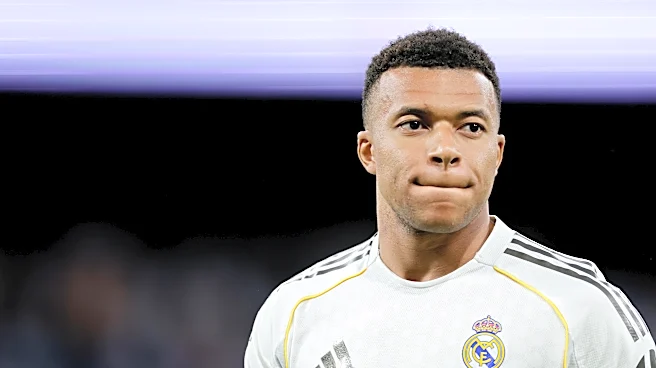


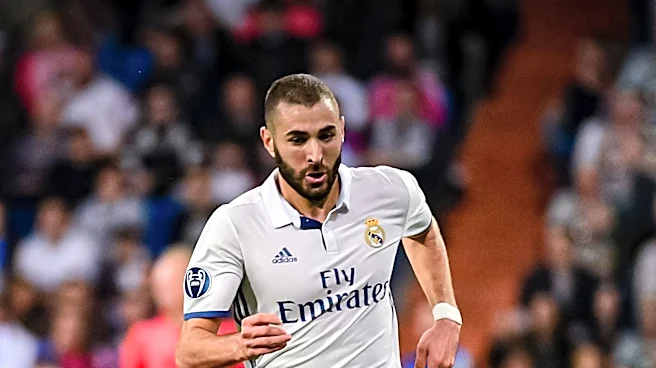
Two years ago, Real Madrid fans were in dreamland. Their club had just done the impossible, winning the LaLiga title and the Champions League while losing just two games across all competitions despite missing three starters with ACL injuries. Just as they were celebrating a record-extending 15th European Cup, Real Madrid announced the signing of Kylian Mbappé on a free transfer from Paris Saint-Germain. It was the culmination of a decade of hard work and persistence in pursuing the most coveted
talent in the game: finally, Mbappé was going to fulfill his dreams of playing for Los Blancos.
But if it seemed to be a match made in heaven at first, it certainly hasn’t worked out that way on the pitch. Whilst Mbappé continued scoring for fun with 44 goals in 59 appearances, Real took a massive step back in 2024/25, picking up two minor trophies in the FIFA Intercontinental Cup and the UEFA Super Cup. This would cause Carlo Ancelotti to depart from his post after four years, with Xabi Alonso stepping onto the touchline. However, Alonso would manage just seven months at the helm before being replaced by Álvaro Arbeloa, who watched helplessly as Real finished the season without any silverware, buried by the all-encompassing shadow of Hansi Flick. And whilst Mbappé would claim another Pichichi in 2025/26, racking up 42 goals and seven assists in 44 matches, he has yet to truly convince Real supporters that he has made the team better.
Mbappé is the textbook example of The Ewing Theory, a sports hypothesis stating that a team will inexplicably perform better or even win a championship immediately after losing its star player. Originally conceived in the mid-1990s by Dave Cirilli to describe how Patrick Ewing’s basketball teams – the Georgetown Hoyas and the New York Knicks – played better without him, Cirilli decided to apply this to other scenarios. When the University of Connecticut lost star player Donyell Marshall to the NBA, many backed them for mediocrity; instead, they achieved their first-ever #1 ranking in their entire history. And a few years later, when the Tennessee Volunteers lost future Hall of Famer quarterback Peyton Manning to the NFL, they would end up winning the national championship nine months later.
The premise is simple: a highly popular, media-darling athlete receives excessive attention but never wins a major championship with their team before departing or getting hurt. The media and supporters write the team off in his absence, but the team nevertheless overperforms, and, in some cases, performs better than they did with their star player. Proponents of the Ewing Theory have concluded that this happens due to a number of reasons: for example, teams become lazy and overly dependant on their superstar, expecting them to carry the entire load. When the star is no longer available, their teammates go from the shadow to the spotlight and take on more accountability, leading to increased ball movement, better chemistry, and higher efficiency. Rather than constantly building around one player, these teams now adapt to a more unpredictable, team-oriented offensive scheme. And without the added weight of expectations, these role players are able to step up and perform freely.
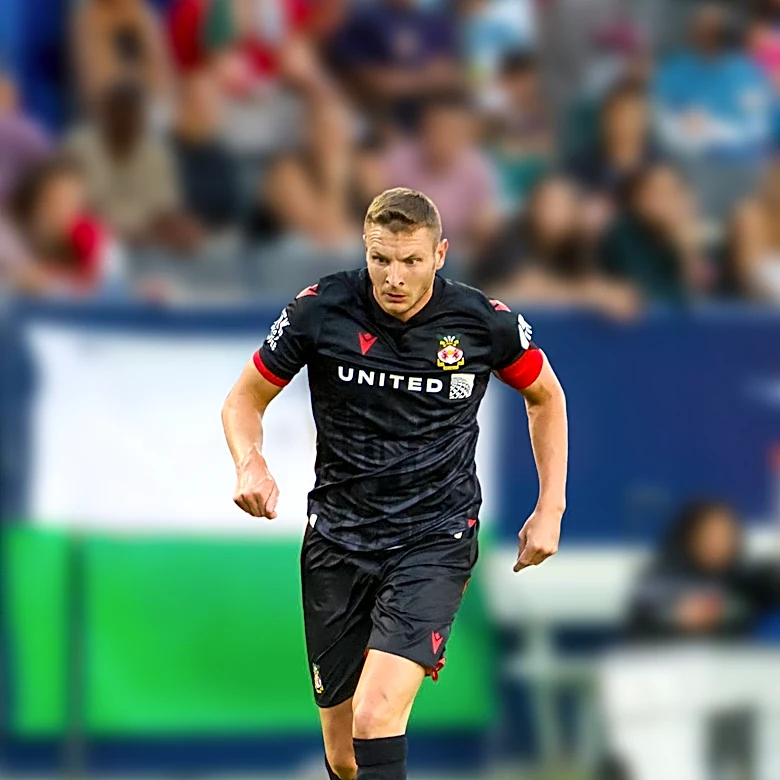
In truth, the ‘Ewing Theory’ has been going on for much longer than just the mid ‘90s. Back in 1972, Manchester City found themselves cruising to their first league title in four years (second overall), with the Cityzens sitting four points clear in first place. When they added England international Rodney Marsh, who had established himself as one of the most fearsome forwards in the UK during his time with Queens Park Rangers, it seemed to be the perfect fit to get them over the line. Instead, they would end up subsiding to a fourth-place finish. Fast forward a half century, and Marsh admits that he cost City the title…and he isn’t entirely convinced that Mbappé has made Real better.
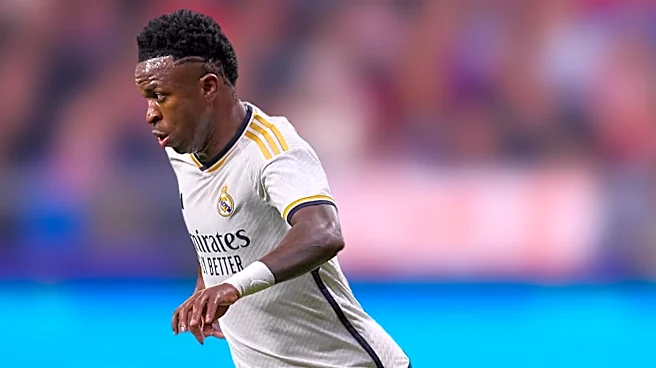
“It’s complicated…let’s break it down. I look at Kylian Mbappe as being one of the best players in world football, and he’s such a destructive player to the teams he’s playing against,” stated Marsh to Managing Madrid. “He can destroy you in a minute with his goal-scoring, his vision of other players around him, and all those things, and he’s influencing games. But then again, they already had Vinícius Júnior, a similar player with a massive ego, and they’ve also got Jude Bellingham. I remember on our Sirius XMFC show Grumpy Pundits, we played Carlo Ancelotti’s quote where he said, ‘I’ve joined Real Madrid, but I can’t find a system to suit my players.’ I said exactly the same thing: they were trying to fit players into certain roles, and that didn’t work. It still doesn’t work, and they’ve got to find a way, you know, whether it’s José Mourinho or someone else at the helm – they’ve got to find a way to suit the system. Ultimately, I believe that either Vinícius or Mbappé is going to have to leave.”
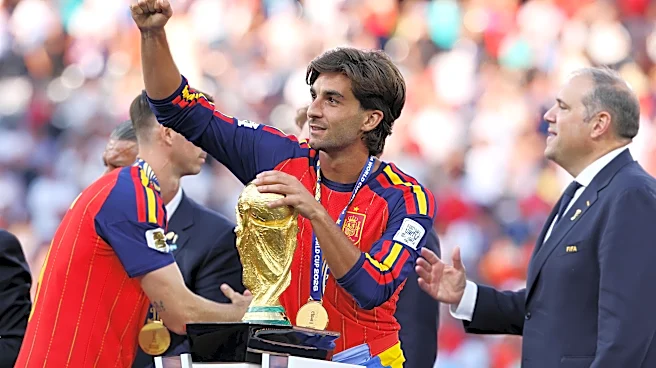
Are Real Madrid a better team when Mbappé is injured or suspended? Not necessarily. However, it is undeniable that, whilst Real have worsened since his arrival, Paris Saint-Germain have gone up another level under Luis Enrique. Whilst Mbappé blanked in the quarterfinals vs. Arsenal, PSG’s new team-oriented approach saw them win their first-ever UEFA Champions League title in 2025, before becoming the first team since Real 2016-18 to win back-to-back European Cups. Whereas it seems that a goal can come from any PSG player, it equally seems that Mbappé is the only player who’s likely to find the back of the net for Real. This trend continued in the 2026 FIFA World Cup, with Mbappé scoring nine goals and four assists en route to winning the Golden Boot and becoming the all-time leading scorer in the World Cup.
But that’s the international level, and Real Madrid fans care about the club level. The Frenchman’s tendency to drift into the left wing has prevented Vinícius Jr from showcasing his best football, whilst it’s also taken a toll on Jude Bellingham’s displays. Moreover, Mbappé’s lack of defensive work rate has forced other players to compensate for him and exert themselves more in terms of tracking back and pressing, which in turn has dwindled their energy to attack. Mbappé ranks last amongst all 344 LaLiga players for defensive contributions per 90 (0.2), and whilst he has been head and shoulders above every other Real player in terms of attacking efficiency, it remains to be seen whether these benefits outweigh the risks. Real won six of their seven matches without him, including wins over Manchester City and Atletico Madrid, proving to be a far more cohesive, balanced unit.
With three years left on his deal, Mbappé’s present and future remains in the Spanish capital, where he is currently enjoying an annual salary of €15 million and a guaranteed signing bonus in excess of €150 million, which is being paid out in instalments over the course of the contract. Mbappé has established himself as one of the best players in world football, earning praise from the likes of Tom Penn, but he hasn’t quite proven to be worth the investment. Nevertheless, Mbappé remains one of the few players whose starting spot is not up for debate alongside Thibaut Courtois, and he’ll be looking to end his long-awaited search for a major club trophy outside of Ligue 1. If that continues into the summer of 2027, Real Madrid’s power breaks are going to have to take a deep long breath and a look in the mirror, and ask themselves: is it time to cut the Mbappé experiment short?