




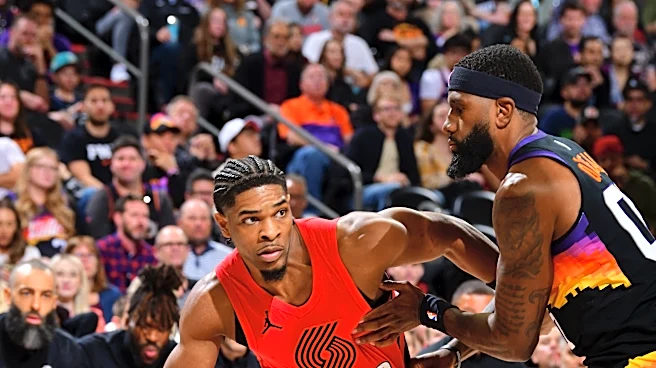
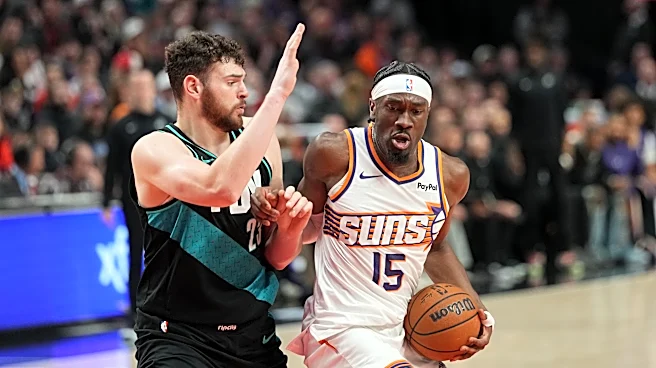
There’s been plenty of discourse over the past couple of days following the Phoenix Suns’ loss to the Portland Trail Blazers in the 7–8 game. A lot of it has centered on Devin Booker and Jordan Ott’s rotations. That’s the natural reaction. You focus on what went wrong and look for ways to fix it. But “moving forward” is now a fragile concept. If the Suns don’t beat the Golden State Warriors, there is no next step. That’s the end of the road.
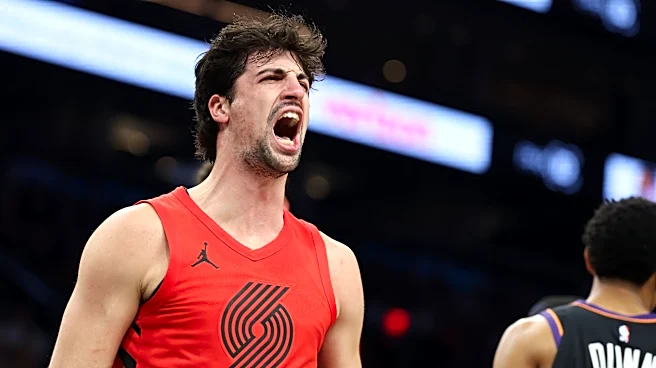
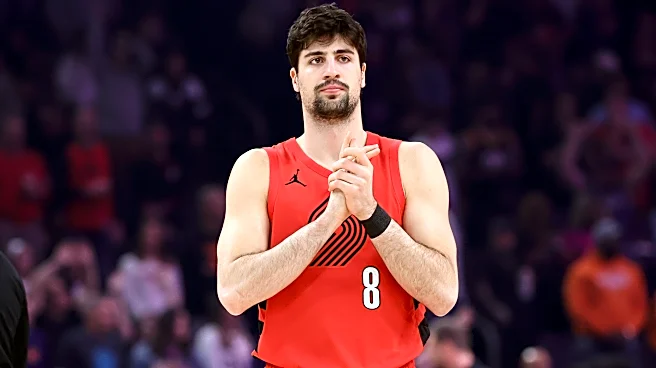
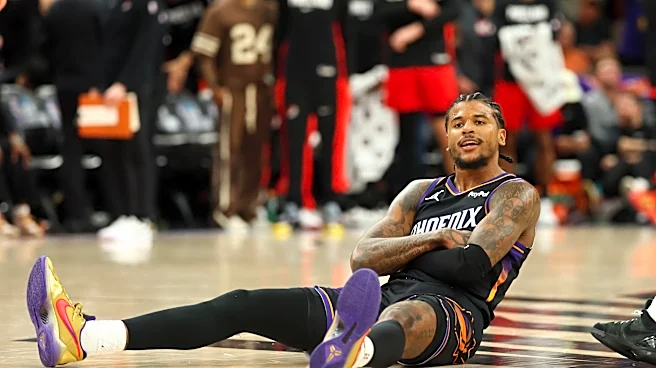
What hasn’t been talked about enough is Jalen Green. He
was electric. He scored 35 points in the loss, carrying the offense at times, keeping the Suns within reach in a game where scoring didn’t come easily. His final stat line on Tuesday? 35 points on 14-of-29 shooting, 2-of-7 from deep, 5 rebounds, 2 assists, 1 block, and 5 turnovers.
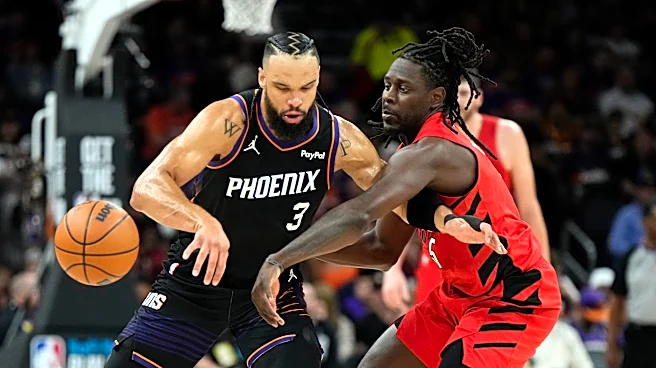
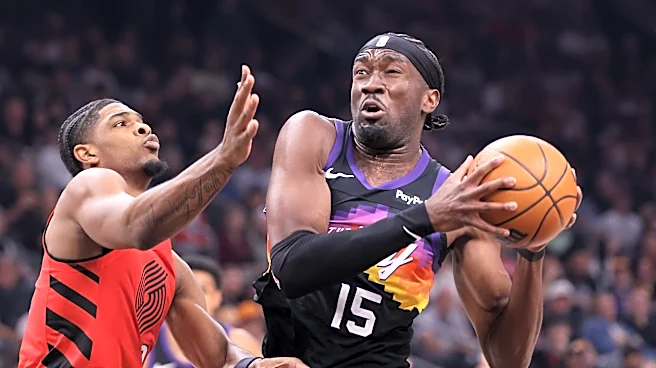
Being in the arena, one aspect of the game that stood out immediately was that Portland’s perimeter defense was relentless. They were draped all over Phoenix, pushing them off their spots, and forcing uncomfortable looks. It felt suffocating, and believe me, the fact that Toumani Camara was the culprit was not lost on me. But there was one player they couldn’t consistently contain. That was Green. His athleticism and quickness created space where none existed. He found openings, generated clean looks, and did it in a game where those opportunities were rare.
We received the full Jalen Green experience, didn’t we?
The scoring ability is real. It jumps off the screen. The efficiency? Ehhh, not so much. It took him 29 shots to get to 35 points, which puts him in a strange little corner of Suns history. How many players have taken exactly 29 shots and scored exactly 35? Three others. Devin Booker (2023), Josh Jackson (2019), and Stephon Marbury (2002). There’s your random useless nugget for the day.
Green’s shot selection wasn’t always clean. It usually isn’t. He forces the issue at times. Even that four-point play in the first half wasn’t a great look. Fading left from 29 feet. It was low percentage, but he hit it. Knocked down the free throw, too. It turns into a highlight, and that’s part of the deal with him.
And then there are the turnovers. Five of them, many of the live ball variety, which is never ideal. But again, that’s part of the Jalen Green experience. He is aggressive, sometimes too much so as he’s dribbling into defenders, thus dislodging the ball. It needs to be cleaned up, but I doubt it will ever be completely cleaned up. If you look at his career statistics, he’s actually improved in that respect. A player who averaged 2.6 turnovers in 2022-23 has that number all the way down to 2.3. Oooo. Aaaah.
He missed the shot that could have put the Suns ahead with under 10 seconds left, but you know what? He took the shot. He didn’t shy away from the moment; he didn’t pass out of it. No. He wanted the ball, he was ready and willing to take it, and I find value in that.
This season has been about evaluation. We haven’t had enough clean data to fully understand who Green is within this Suns ecosystem, so these games carry weight. Especially ones with stakes. If Phoenix can defeat the Warriors tomorrow for the eight seed, they run into the Oklahoma City Thunder. That’s a defense that can swallow you whole, so there are limits to what you can take from that series from an evaluation perspective. But how a player responds to pressure, to emotion, and to moments like the Play-In game on Tuesday tells you something.
That’s been a concern with Jalen Green following his performance tast postseason with the Houston Rockets. In the seven-game series against Golden State, the 22-year-old kid who led his team is scoring at 21.0 points per night in the regular season faded. He averaged 13.3 points in the postseason on 37/30/67 splits. He was a shell of himself. The moment affected him. You saw it again recently against Houston as he played against his former team. The emotions got loud, and his game followed.
Against Portland, it felt different. He stepped into it. He didn’t shy away. He took 29 shots in a grind of a game and he took the final one. Again, there’s value in that. He wanted the ball. He made decisions. There was no hesitation. Devin Booker gave it up because he knew Green wouldn’t shrink from the moment. He missed, but he took it.
That’s the duality with him. The same lack of filter that leads to bad shots and turnovers is also what allows him to step forward when it matters. It’s the strength and the flaw, living in the same space. So in my evaluation, this one against the Blazers leans positive. The red flags are still there. The shot selection. The turnovers. They don’t disappear. But the willingness to be the guy? That gets logged too.
Now comes the next challenge. The Golden State Warriors. A familiar stage for Jalen Green, and not one that went well the last time he was there. What do you get from him now? How does he respond? And what does it add to the overall evaluation as you start thinking about his place on this team next season? Those are the questions sitting in front of this game.
There’s real weight here. These aren’t empty reps. Every possession, every decision, every response to pressure adds to the file. The hope is that the results are positive, that he builds on what we saw against Portland and leans into the moment again. Because if they aren’t, the timeline shifts. The decision on whether to move forward with Green comes quicker than expected.
The Suns exceeded expectations this season. That part is real. But now the goal is to extend it, to get into the postseason, to gather more data, more clarity. That’s how you build something sustainable. That’s how you move from a promising team to a consistent one. And understanding and determining what part Jalen Green plays in the grand scheme of things is vital.