
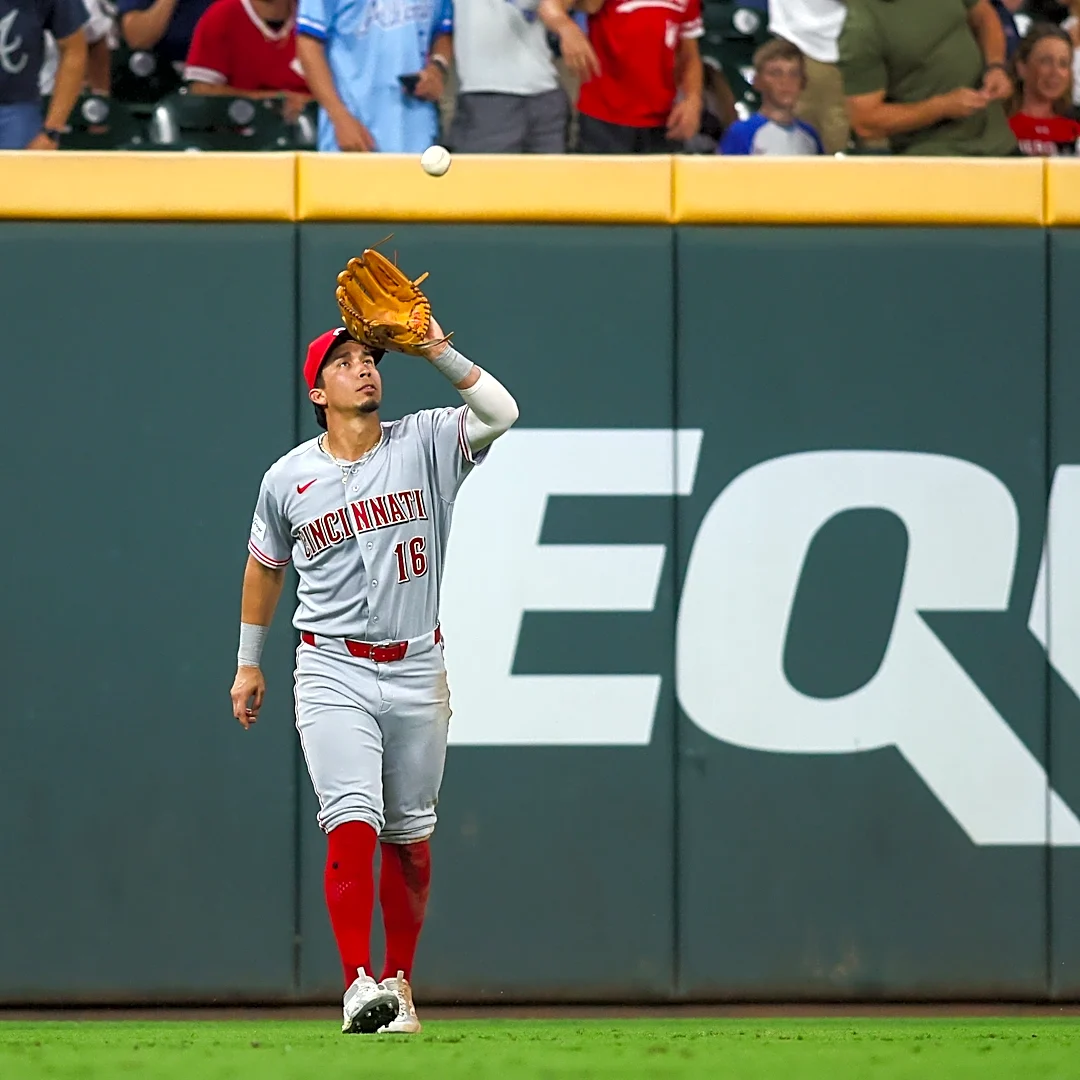

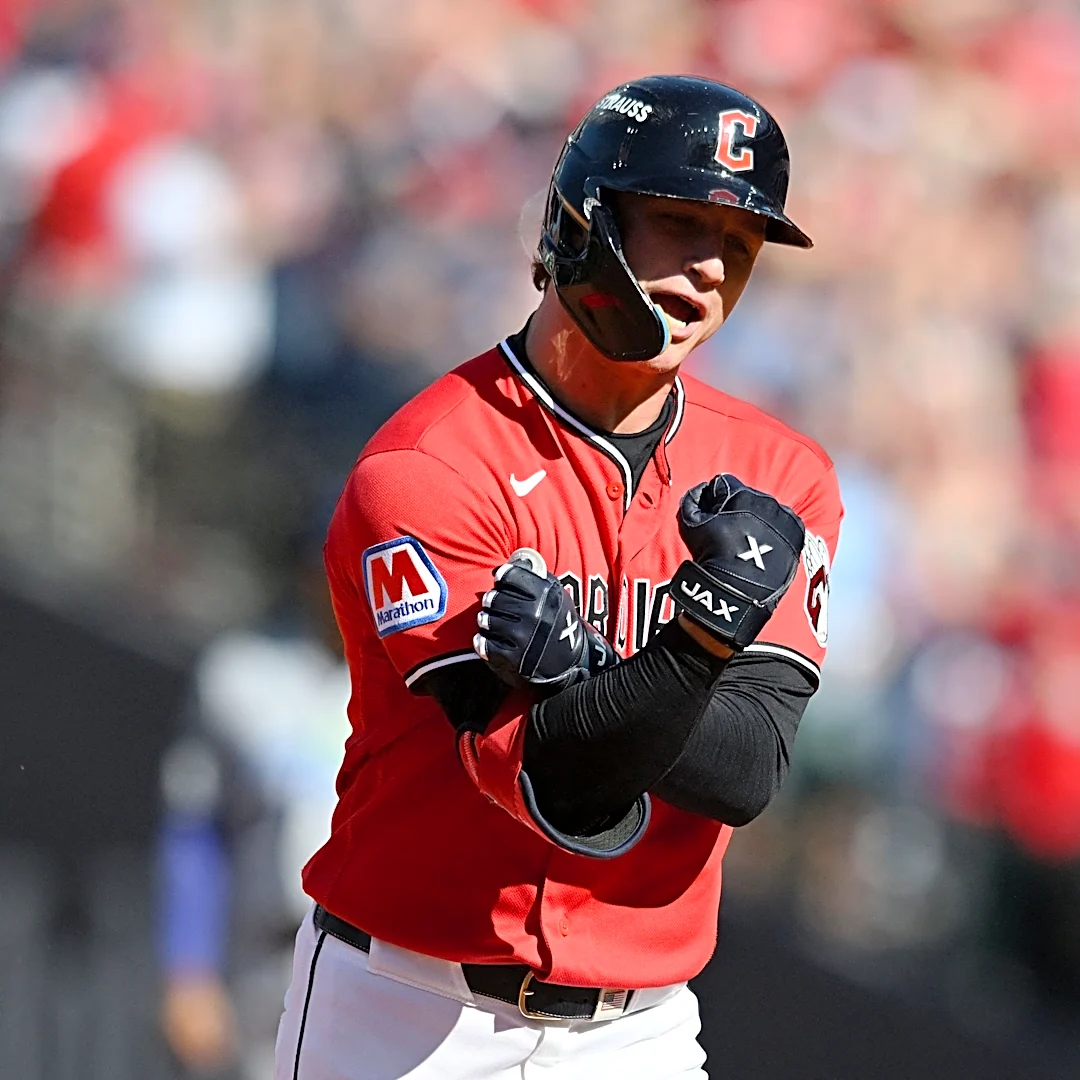

The first major trade Paul Toboni made as Nationals POBO was to acquire Harry Ford in exchange for Jose A. Ferrer. Ford was expected to emerge as the Nats catcher of the future without an elite backstop like Cal Raleigh blocking him. However, this season did not go according to plan for the 23 year old catcher.
It was a bit of a surprise when Ford did not make the team out of camp. Clearly, the Nats thought he needed more time in the minors. Despite that, I still expected Ford to quickly show he belonged
in the big leagues. That did not happen though, as Ford struggled mightily in AAA to start the year.
This was very surprising given the fact that Ford posted an .868 OPS in AAA last year. To start this season, Ford looked rough at the plate. His power was not showing up and he was striking out more. On May 10th, Ford was hitting .188 with a .557 OPS.
That is not exactly an ideal start to life in a new organization. Outside of his usual plate discipline, Ford just did not look like the player the Nats thought they were getting. Meanwhile, Jose A. Ferrer looked like a borderline elite reliever at the start of the season.
Let’s actually talk a little bit about Ferrer because it provides some important context. Nats fans wondered a lot about what the bullpen would look like with Ferrer. That narrative made a lot of sense at the beginning of the year, but even as Ferrer struggled, fans did not adjust the way they talked about him.
Ferrer’s 4.18 ERA and 4.09 FIP in 73 outings would be an upgrade on most of the guys the Nats had. However, those numbers are mediocre. It is not like Ferrer proved to be some major loss for the Nats this season. Even if things stay the same, a backup catcher for a mediocre reliever is not some awful deal.
Getting back to Ford, he did start to turn the corner in AAA. His OPS rose each month he was in the minors and was over .800 in both June and July. Following Drew Millas’ injury around the All-Star Break, Ford finally got his chance.
When Ford got to the majors, the results were not amazing, but not totally awful either. He only hit .190, but his 14.4% walk rate led to a .664 OPS. Ford struggled with his blocking, but he was not a total disaster defensively with a -2 FRV and a -1 DRS. That is not good by any means, but for a backup catcher, you can do worse.
This will be a big offseason for Ford though. There are a lot of things for him to work on. The biggest point of emphasis needs to be finding his power. In 2025, Ford hit 16 homers and showed solid power. It was not just the homers. Ford’s 88.8 MPH average exit velocity and his 103.4 MPH 90th percentile EV were rock solid.
We did not see that sort of power from him in the minors or the big leagues. In AAA, Ford’s average EV was 85.2 MPH and his EV90 was 101.8. That only got worse when he faced better pitching in the big leagues, with Ford posting an 84.9 MPH average and a 101.2 MPH EV90. To become a starting caliber catcher, that power needs to come back. There were reports that Ford had some nagging shoulder problems this year, so maybe his power will come back with a healthy offseason.
Ford’s super power is his plate discipline. That translated to the big league level, with the Nats catcher only chasing 18.7% of the time. However, with his limited power and mediocre contact skills, it is tough to be a good hitter. We saw some flashes, including a homer against the A’s in one of his first games. However, there was not enough consistency.
With the lower offensive ceiling of the catcher position and Ford’s ability to draw walks, there is a path to success. There is a world where he can be around a league average hitter with solid defense as well. At catcher, that is very valuable. They have very different offensive profiles, but I could see Ford producing like Keibert Ruiz did this year, just with walks carrying his profile.
However, this year did not go as planned and it did lower my view of Ford’s potential. He should be a solid big league catcher, though I am not sure he has the juice to be an above average full time starter. I can see Ruiz and Ford splitting reps and becoming a solid tandem.
The biggest key to Ford’s success will be recapturing his power stroke. I think he needs to find a way to improve his bat speed this offseason. We saw a lot of Nats hitters swinging faster this year, and hopefully Ford is next. His average bat speed was 69.2 MPH and I thought his swing looked noticeably slow.
It was a sluggish campaign for Ford, but he still posted 0.4 fWAR and 0.3 bWAR. Even right now, Ford is a decent backup catcher, but we know he can be more than that. Hopefully he can return to form in 2027 and show why Paul Toboni invested heavily into him.
Season Grade: D+/D