
By now, we all realize the features and benefits that convinced so many of us to “cut the cord” when streaming services emerged in the late aughts and early 2010s were empty promises. We were never going
to get every movie and television show ever made conveniently at our fingertips, and certainly not at anything like a $9.99 per month price point.
As streaming continues it’s slow march to becoming a more cumbersome, expensive form of cable, sports and what we used to call “sports entertainment” have become the priciest pastimes to follow. If you want to be able to see all of WWE’s shows when they happen or are released for instance, you need cable (or another subscription that allows you to access to traditional networks), Netflix, Peacock, Tubi, and now ESPN.
I write all that (a) to encourage you to read up on “enshittification”, the term coined by writer Cory Doctorow that describes what’s happening to streaming right now*, and (b) because some WWE fans have banded together and hired some lawyers (or been convinced by some lawyers) to sue WWE over allegedly lying to them about their new deal with ESPN for media rights for premium live events in the United States.
Post Wrestling broke news of the suit yesterday (Jan. 10) after it was filed the day before with the U.S. District Court in Connecticut. Writing for Post, here’s how Wrestlenomics’ Brandon Thurston summarized the plaintiff’s case:
The complaint takes issue with how some fans who already get ESPN channels through cable or other providers were still required to pay an additional monthly fee to watch WWE events. The plaintiffs allege this contradicts marketing communications from both WWE and ESPN, which they claim suggested all existing ESPN subscribers would have access to the WWE PLEs.
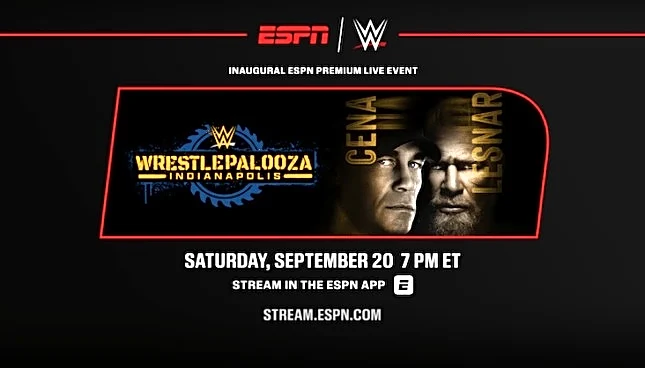
The specific issue involves folks who had to pay for ESPN’s standalone app to watch Wrestlepalooza on Sept. 20 even though they already paid for access to the ESPN cable network. The Disney-owned brand had deals with some cable carriers to offer subscriptions to the new app to their existing ESPN subscribers when the WWE partnership started with Wrestlepalooza, but many did not. Cox, for instance, only recently told their customers they get the ESPN app along with their cable package. YouTube TV only recently agreed to a deal with Disney that should do the same for its subscribers.
Fans who didn’t get the app from their cable provider had to pay $29.99 for ESPN’s new streamer to see Wrestlepalooza, and any subsequent PLEs while Disney and their carrier negotiated. The suit argues that WWE and ESPN’s marketing materials gave no indication of that possibility. The filing even quotes WWE president Nick Khan from an August episode of John Ourand’s The Varsity podcast, where Khan said:
“When we did the Peacock deal in 2020, same thing, no upcharge for what were pay-per-views. Same thing here with what has been referred to as ‘ESPN Flagship.’ You subscribe to that product, you get WrestleMania, SummerSlam, Royal Rumble, all of our other premium live events, with no upcharge.”
The suit is careful to only name WWE as a defendant, staying clear of the fine print we have to agree to when signing up for any Disney streaming platform. WWE has yet to respond in court, and neither WWE or ESPN replied to Thurston when he reached out for comment.
Plaintiffs Michael Diesa of New Jersey (a Comcast Xfinity customer) and Rebecca Toback of New York (a YouTube TV subscriber) are seeking others to join the action, but don’t expect a huge payout if you do. The suit claims more than $5 million in damages, but individuals are unlikely to be reimbursed more than $30.
It’s not much, but… I don’t know about you, but I’m not turning down $30 these days — especially with what I pay for streaming services every month.
* In his book The Internet Con, Doctorow defined the term thusly: “Here is how platforms die: first, they are good to their users; then they abuse their users to make things better for their business customers; finally, they abuse those business customers to claw back all the value for themselves. Then, they die. I call this enshittification.” I’m focusing on the negative here, but Doctorow is an optimist, and all his books — including his latest, entitled Enshittication — detail ways to fix whatever problems he’s addressing in them.