




ESPN’s traditional television footprint continues to shrink — and Ultimate Fighting Championship (UFC) may have picked an ideal time to find a new broadcast partner.
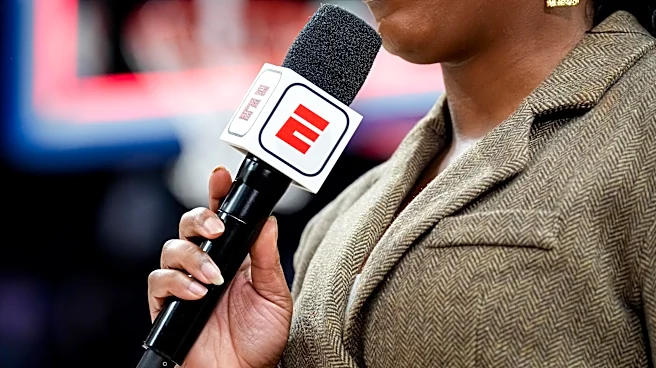
ESPN and ESPN2 are each available in approximately 54 million pay-TV homes, according toDisney’s latest annual filing. That represents a loss of seven million subscribers from Sept. 2025, when both networks reportedly reached roughly 61 million homes. At its peak in 2011, ESPN was available in approximately 100 million households.
At ESPN’s
reported $9.42 monthly carriage fee, New York Post estimates the seven-million-home decline represents more than $791 million in annualized carriage-fee value. However, that figure does not account for rate increases or ESPN’s growing direct-to-consumer business.
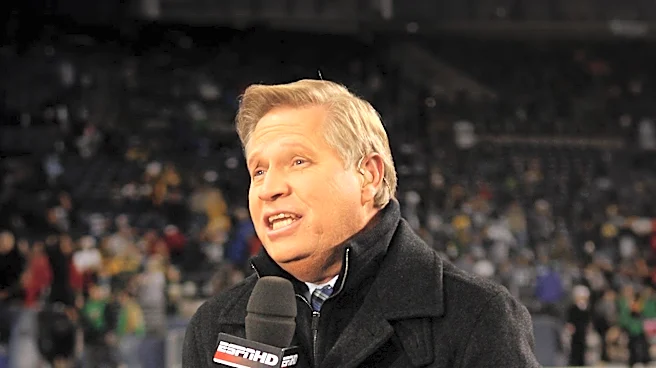
Those shrinking subscriber totals have not stopped ESPN from opening its wallet for its biggest personalities. Stephen A. Smith signed a five-year contract reportedly worth approximately $100 million in 2025 — roughly $20 million annually. ESPN also agreed to pay approximately $85 million over five years to license The Pat McAfee Show, averaging $17 million per year.
That McAfee figure covers the entire program and its production costs, not simply his salary. Together, the deals represent approximately $185 million in reported commitments while ESPN and ESPN2 have lost 12 million pay-TV homes since 2024, falling from 66 million to 54 million.
Who doesn’t love Smith and McAfee, right? Can you feel my sarcasm?
The timing is certainly interesting for fight fans.
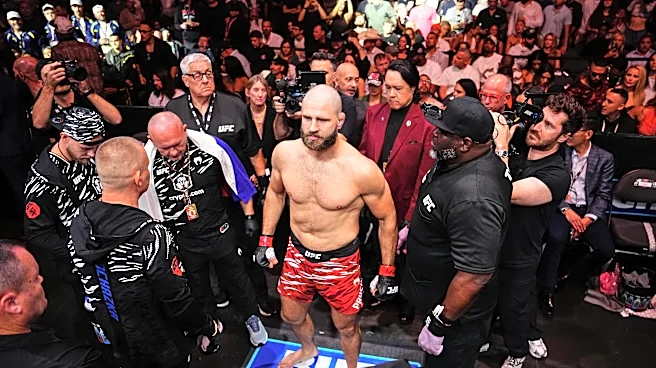
After seven years with ESPN, UFC moved its entire United States schedule to Paramount+ at the beginning of 2026. Paramount paid $7.7 billion for the seven-year agreement, averaging $1.1 billion annually — more than double the reported value of UFC’s previous ESPN deal.
The move also eliminated UFC’s expensive pay-per-view model. Every numbered event and “Fight Night” card is now included with a Paramount+ subscription, while select major events are simulcast on CBS.
To be clear, UFC’s departure did not cause ESPN to lose seven million pay-TV homes. The figures also measure ESPN and ESPN2 distribution, not subscriptions to ESPN’s standalone streaming service. Nevertheless, the decline illustrates the rapidly changing sports-media business UFC left behind.
ESPN still controls a massive collection of valuable sports rights — and recently landed WWE premium live events — but its traditional cable reach is now nearly half what it was 15 years ago.
Did UFC get out at exactly the right time?