





Through the first month and a half of the 2026 WNBA season, the Indiana Fever have a net rating just under +6 points per game.
It’s the kind of number that should put a team firmly in the championship conversation.
However, it might come with an asterisk.
The Fever rank just seventh in offensive rating, although they have put together a top-five defense. More specifically, the underlying numbers could suggest that they have been just getting by through the easiest part of their schedule, masking real
structural questions that could get tested as the schedule toughens.
Let’s break it down and determine whether or not the Fever should have legit championship aspirations.
Is the Fever’s defense actually elite?

The Fever’s defense has not been good in the conventional sense.
Opponents are getting into the paint and generating quality looks, but Indiana ranks fourth in defensive rating anyway, and the engine behind that is scheming and defensive rebounding. They force teams into undesired shots depending on the matchup and simply do not give teams a second possession.
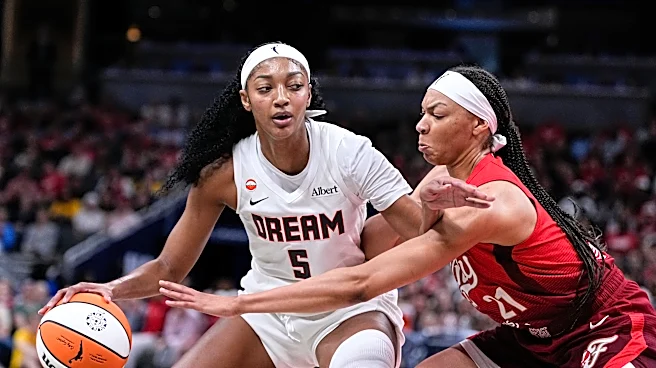
The first meeting with the Atlanta Dream was a clean demonstration. The Dream got dribble penetration and open midrange looks, but every miss was a one-and-done because Indiana owned the defensive glass.
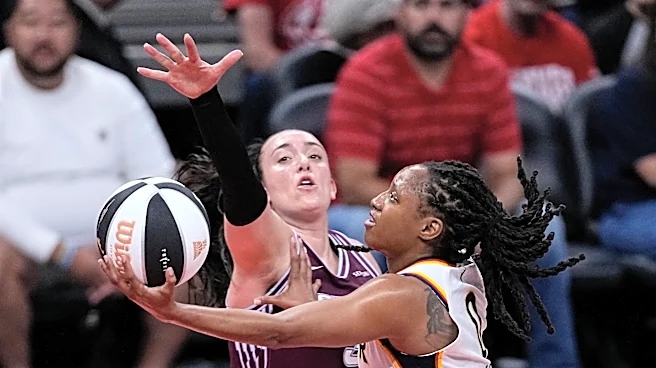
The Fever have massively increased their blitz percentage on defense over the last few games, especially against the Washington Mystics; however, against the Golden State Valkyries, the switched on over 50 percent of ball screens. This is a team that is intentional with their scout and taking away the strengths of their opponents on a night-to-night basis, instead of relying on a base defense to produce sound results. Some of this is meant to hide weak defenders, but for the most part the team has held up for a majority of games and this will give Indiana a solid floor on defense, even if personnel is individually weak on that end.
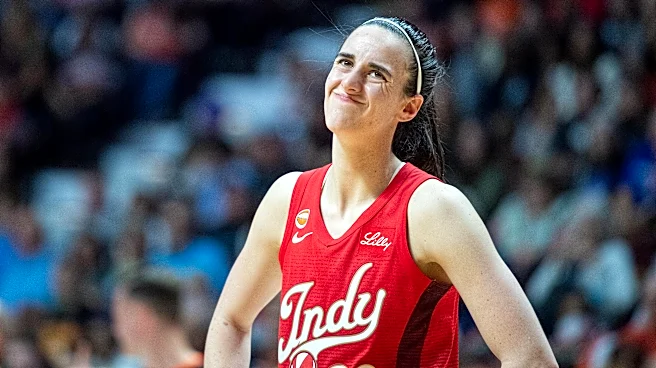
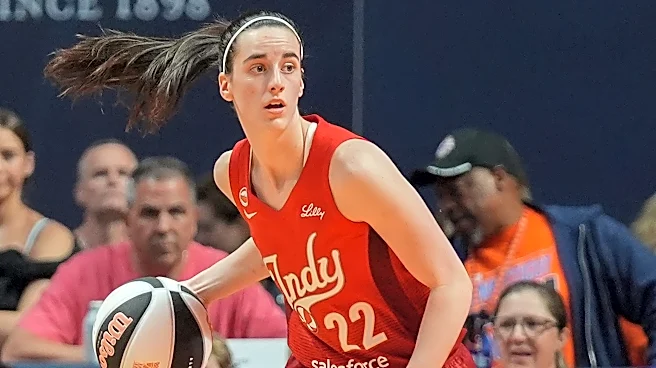
The bigger concern is when teams deliberately hunt Caitlin Clark on defense.
This isn’t a vibes-based complaint. In the most-recent game against Atlanta, opponents who Clark was guarding logged 43 touches against her and registered an effective field goal of almost 72 percent on those possessions, averaging 1.619 points per direct touch. Essentially, whoever Atlanta ran offense at when Clark was the primary defender scored at an elite, near-unstoppable clip.
Some of this is schematic; Indiana hides Clark on weaker offensive players and lives with the matchup math, but this entire season, teams have been more than willing to attack her with even their worst offensive player—and a single-game number that lopsided is a red flag. We saw the Valkyries do this with Kaitlyn Chen once the Fever started switching.
As Indiana moves into a tougher slate of games against stronger offensive units, teams are going to hunt that matchup relentlessly with ball screens, knowing it could dictate a game by itself.
Are the Fever taking the right approach on offense?

Indiana’s offense lives and dies by first-chance possessions.
The first-chance offense has actually been solid, but “solid” is doing a lot of work to mask the turnover problem. The Fever rank 13th in offensive turnover value. Live-ball turnovers don’t just erase a scoring chance; they flip the game into transition defense, the one area where Indiana’s defense is most exposed.
The deeper issue on offense might actually be structural.
Indiana’s offense is built to optimize around Clark and Kelsey Mitchell as the two engines. This is a sound approach: have your best players control as much of the offense as possible. But as this is the case, the team’s effective field goal percentage should be markedly better than it currently is, especially considering this stretch of schedule has been the softest Indiana will see all season.
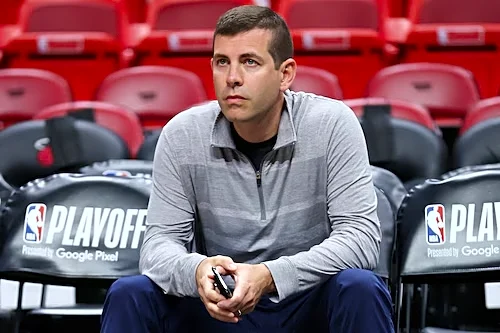
In 2024, Clark logged 39.4 direct touches per game. This year, that number has actually climbed to 40.9, more of the offense is running through her than ever. Mitchell’s usage has fluctuated, with her 27.1 direct touches in 2024 going down to 22.3 in 2025 before coming back up to 25.8 this season. Boston, meanwhile, has stayed remarkably stable across all three years of the Clark-Mitchell-Boston era, with 22.6, 20.7, and 23.1 direct touches in 2024, 2025 and 2026, respectively, while setting a league-leading 237 screens.
What that tells you is Indiana hasn’t actually diversified where its shot creation is coming from.
The ball funnels through Clark more than it ever has, Mitchell’s role is still large, but volatile, and Boston’s value is primarily as a screener and rebounder rather than an additional shot-creating hub. When the offense is this dependent on two players answering every defensive question a team throws at them, the margin for error shrinks. As we’ve seen so far this season, it hasn’t produced results better than middle-of-the-pack.
Only time will tell for Indy…
The Fever’s record and net rating are real. They have quality wins on the schedule and still have positive signals across the board that suggest they’ll be just fine in the long run.
But they’re built on a defense that relies on the margins rather than actually guarding consistently without constant scheming involved. Clark’s on-ball defense is a target opponents will increasingly attack, and the team’s turnover rate threatens to undercut what their ceiling can be.
None of this means regression is inevitable. Clark and Mitchell have led this offense to respectable heights, and Boston’s rebounding and defense gives the team a stable floor.
But the harder part of the schedule will answer the question this stretch couldn’t: Is Indiana actually elite, or are they a tier below?