

The NFL does a great job of making the game as safe as possible for its players. Concussion researchers have been brought on, making this a constant battle to keep athletes from experiencing head trauma.
There are currently four helmet manufacturers that supply the league with headgear. They are Riddell and Schutt, plus newcomers Xenith and VICIS.
RELATED: CARDINALS HELMET CONCEPTS
Ideas are essential in coming up with the latest gear, such as new materials. Today’s helmets are technological marvels
compared to leather headgear or even the early plastic hats.
The NFL has invested quite a bit in research on what is best for players to wear.

Originally, the first headgear was actually a device to protect a player’s ears from getting torn off while another player was reaching from behind to make a tackle. From there, the “Morrill’s Nose Guard” was a contraption with a strap to protect a player from getting a broken nose. Crude helmets were made of leather, and as time wore on, more and more padding was installed.
The Riddell Sporting Goods Company is credited with the invention of the first plastic helmets in 1939. However, there was a huge issue. The top of the helmet was flat, and when contact was made, the thin area below the ear hole would crack and break. More innovations would later come, and a very good, stable plastic helmet was the norm in 1952.
The elimination of concussions was never the reason for a player to don a football lid. It simply made each impact less of a head-wrenching occurrence than worrying about eventual head trauma.
Now helmets are tested using 3D digital imaging, which pushes the boundaries of technology. But each design has to include stability as well as comfort as a selling point.
The NFL began to improve their helmet situation by starting the Head Health Challenge around 2013, co-sponsored by GE. Six companies were awarded $10 million each to study and diagnose the understanding of mild to moderate traumatic brain injury. Part of the study would be tp see how the brain reacts following these types of injuries and to identify which brain areas become disconnected after such injuries occur.
Of course, the end game was to improve the safety of league players.
Invasion of the new obstacles
With innovations and components of these helmets, the landscape has altered the exterior of the pro football helmet, to say the least.
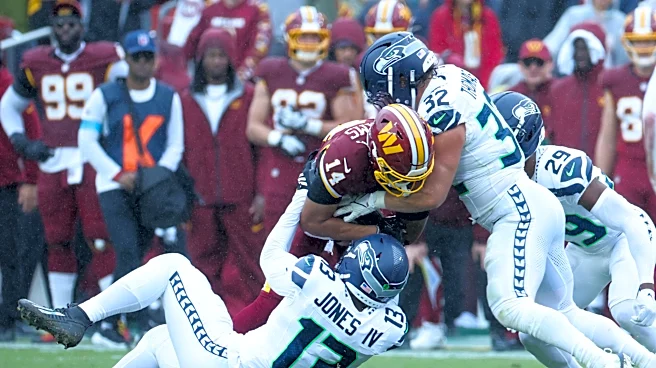
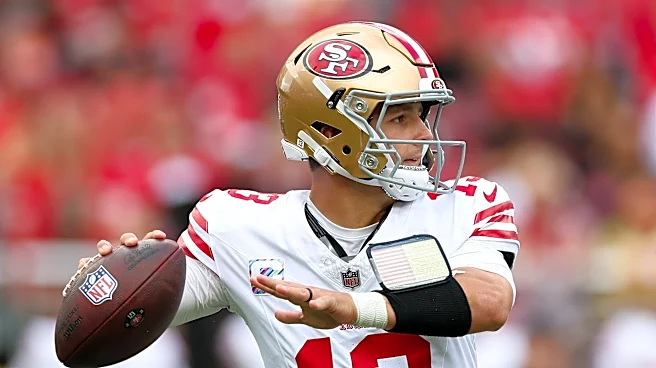
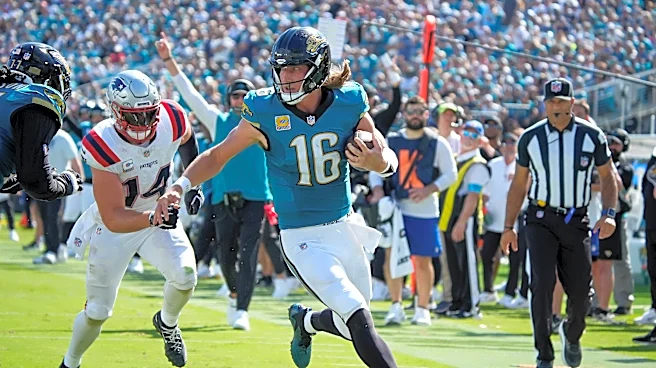
What used to be two ear holes on each side plus four air holes drilled on the topside is now a series of specifically positioned air vents, creases, diamond-shaped ear holes, rear helmet ledge, Oakley logo tabs, duo chin strap snaps, extra facemask strap grommets, and flex panels.
If you ever noticed the front of helmets today, they have this strange “tab” just above the visor that goes up towards the top of the headgear. This is a sensor pad called “insite analytics smart helmet technology,” which records and analyzes data that then gives reports to reduce head impact. This tab also has some give upon impact.
But with all these new thingys on each helmet, it has caused some issues with adhering stripes and logos.

What used to be a solid side area for any type of decal and fully unobstructed areas from front to back for stripes is now a complication of dodging various indents, holes, and that definitive “ledge” that runs across the back of each helmet designed as a stabilizer.
Teams have had to shift their decals back more, or up more, or down towards the ear hole. Or a combination of all of the above. Some of these stickers even appear now to be installed at a bit of an angle.
The proper placement is when a player’s head is staring straight ahead with his eyesight parallel with the ground. This makes the emblem level.
Whether some teams have had to slightly downsize the decal circumference is not known. But “decal shifting” is a real thing now.
Most NFL clubs have adjusted their decals and stripes
Of course, this all depends on the emblem.
Some teams haven’t had much of a decal movement. These include the Chicago Bears “C”, Green Bay’s “G” oval, the fleur-de-lis of New Orleans, San Francisco’s oval, the New York Football Giants “NY” design, the shield of Las Vegas, and, of course, Cleveland’s stickerless sides and the Steelers single blank left side.
Other than that, all of these indents and added distractions have new issues to dodge.
You may notice how Carolina’s panther design is now farther back on the helmet because one chin strap grommet plus two vent holes is now in the way. Or the dolphin logo for Miami is raised towards the top more in order to miss three different vent holes. The flying buffalo with the Buffalo Bills’ logo is a nightmare now, trying to miss three vent holes, one crease plus a chin strap grommet and a facemask strap. Houston’s longhorn trademark is pushed back really far in an attempt to miss the ear hole and assorted grommets plus two upper vents.

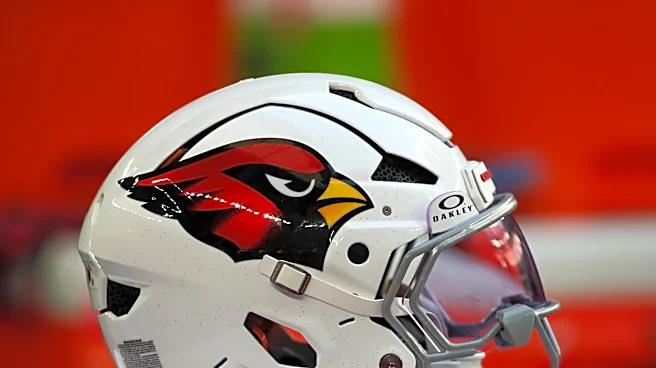
With the Arizona helmets, the logo has been pushed back a smidge and has a very long air port to dodge plus an extended chin strap snap. The trick is to get the Cardinal head to appear level when on a player’s head, not sitting on a table.
These same scenarios are continuous with the remainder of the league.
Stripes are often cut when they travel over air vents to allow air to continue to flow in and out. Then the striping picks up and continues on. Many decals are also trimmed within the logo to allow these air access ports to proceed with their designed function when missing, as whichever hole is not an option.
The main thing for a helmet is to protect the player. The equipment guy’s decal placement is his problem, instead of adding brain issues for the athlete.