






Quick Background of Michael Soroka.
The Braves drafted him in the first round of the 2015 draft.
Perhaps, 2019 was the best season of his career (All-Star, received votes for rookie of the year and Cy Young awards). In 2020, he was the Braves’ youngest opening-day starting-pitcher in the team’s modern history.
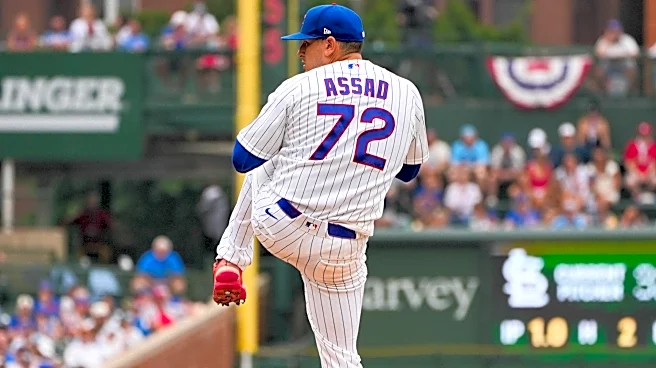
A series of injuries over several years kept him from achieving his potential. In 2025, he started games for the Nationals, then was a reliever (with one game as opener) for the Cubs.
Why did the Diamondbacks acquire him?
Mike Hazen said Soroka had a combination of
stuff, bounce-back potential, and upside to make him a good fit for the Diamondbacks. What he did NOT say (but is likely true) is that the acquisition was risky (both under-performance and injury were possible), but with risk limited by a one-year contract.
Perhaps the Diamondbacks knew about his new pitch before they signed him. In 2026, he added a cutter to his arsenal so batters would be concerned with the other half of the plate. In 2026, it was 11-12% of pitches to each of left-handed batters and right-handed batters.
One aspect of Michael Soroka’s mental attitude is shown in the following quote:
“It’s all about getting out there and getting the next out.” — Michael Soroka, May of 2026
Concerns about injury risk were expressed by AZ Snakepitters in a roundtable.
- “Mike Hazen and his staff are mad if they think Soroka is going to be able to provide 120 IP out of the rotation. He might not even reach 80 IP.” — James Attwood
- “…That’s not to say ERod hasn’t had the better career thus far, but if I’m going for ceiling and floor, I’m riding the potential of Soroka knowing he’s only good for 20 starts at most….” — Spencer
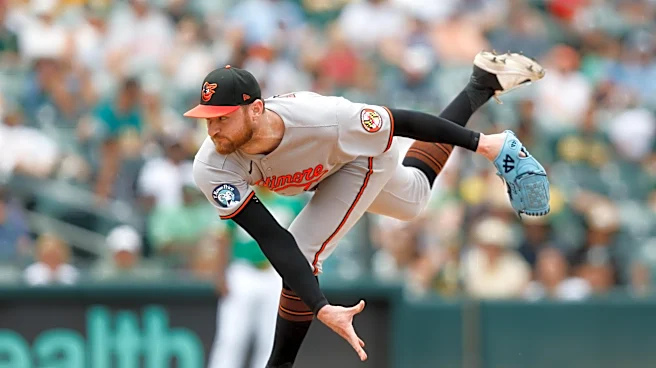
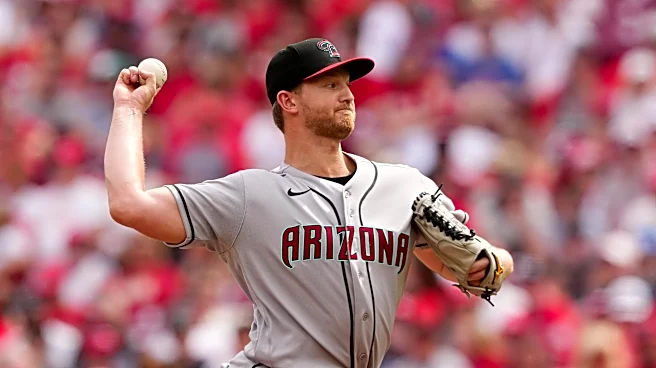
Soroka pitching for the Diamondbacks was outstanding.
An immaculate inning is rare (only 121 times in MLB). It requires striking out three consecutive batters with exactly 9 pitches (the least possible pitches).
“On March 30, 2026, in his first start with the Diamondbacks, Soroka threw the 120th immaculate inning in MLB history against the Detroit Tigers.” — Wikipedia
This season, his best stat is 5.1% walks (94th percentile). Two other Baseball Savant stats of note:
- His 33.6% Chase is at the 81st percentile.
- His 34.1% hard hits is at the 79th percentile.
My view is that for the Diamondbacks, there are two more general stats that will indicate the teams winning chances:
- Percentage of Quality Starts (at least 6 innings with 3 or less earned runs).
- Percentage of games with 3 or less earned runs.
The following table looks at those two stats for all the Diamondbacks starters except Cabrera and Bratt (who together have accumulated 4 games started through 5 July). Based on the table, my view is that Soroka is the second best pitcher in the Diamondbacks rotation.

Soroka was injured, but is expected back soon.
Soroka injured his left glut on 19 June (after 15 starts, 82 innings pitched). Although some might say I told you so, it was a relatively minor injury and he is expected back this season.
“That glute injury is fairly asymptomatic, so he’s going to begin his throwing program, bullpens, etc., and building up as best he can, as fast as he can to return to us.” — Torey Lovullo
“It’s a fast turnaround. Once he gets back on the bump, and starts that progression we want to be as quick as possible.” — Torey Lovullo
Outlook for 2027 and 2028.
My view of the Diamondbacks’ starting pitchers who could be part of the rotation is summarized in the following table.

One view is that next season’s return of Corbin Burnes will cover the loss of Soroka, and at least one of the other pitchers will be ready to cover for the loss of Gallen. In that view, there is no reason to extend Soroka.
My view is that at least seven starters will be needed in each of the next two seasons. Subject to changes made via trades and off-season acquisitions, the quality of Diamondbacks pitching would be significantly improved by acquiring one additional starting pitcher for each of 2027 and 2028. Therefore, extending Michael Soroka would fill a need. Let’s look at whether it would be a good move.
Four reasons to extend Michael Soroka.
This season, his performance in percentage quality starts is better than all the other Diamondbacks starters except Rodriguez.
The Diamondbacks have made some bad signings of starting pitchers, such as Madison Bumgarner. That stands in stark contrast to Soroka’s signing, which helped the Diamondbacks.
Next season would be Soroka’s second season with the Diamondbacks. That is significant because this AZ Snake Pit article found data that showed that newly acquired starters (age 30 and older) tend to perform better their second year with a new team.
Soroka is a known quantity, reducing acquisition risk tremendously.
Summary.
The Diamondbacks acquired Michael Soroka because he had a combination of stuff, bounce-back potential, and upside to make him a good fit for the Diamondbacks. The acquisition was risky (both under-performance and injury were possible), but the risk was limited by a one-year contract.
For the Diamondbacks, Michael Soroka’s pitching was outstanding. His excellent stats included percentage walks, chase percentage, and hard hit percentage. His percentage of quality starts ranked second best in the Diamondbacks rotation.
On 19 June, after starting 15 games, Soroka was injured. He is expected back soon.
Looking at the rotation in the next two seasons, my view is that the Diamondbacks would benefit from extending Soroka’s contract. Reasons include high percentage of quality starts, my expectation of improved performance in his second season with the Diamondbacks, and he is a known quantity which reduces risk.