

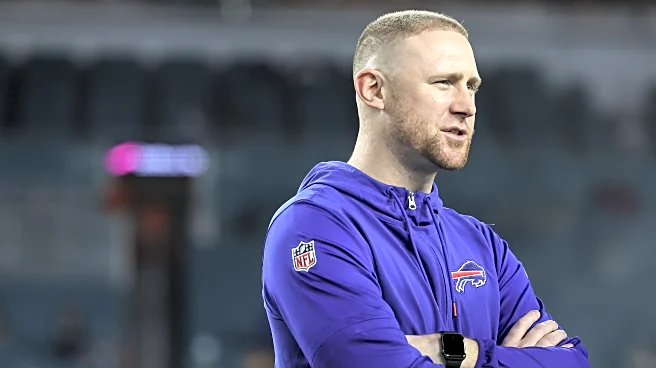
Earlier this week, the Jets made a quick and somewhat surprising decision, hiring former Dolphins secondary and passing game coach Brian Duker as their defensive coordinator. The move was met with plenty of skepticism and confusion across the media landscape and fanbase. Let’s take a closer look at Duker’s background, why despite being a strange hire on the surface it might actually make some sense, and where the Jets misplayed the process.
Background:
Before Tuesday’s interview, it’s fair to say most
fans had no idea who Brian Duker was. Duker landing the Jets’ defensive coordinator job definitely wasn’t on anyone’s 2026 bingo card when the team first began its search. But digging into his background reveals a few interesting things. Duker is young (he turns 37 in July) and while his experience is limited, his résumé is more impressive than it initially appears. He’s moved around quite a bit but climbed the ladder quickly.
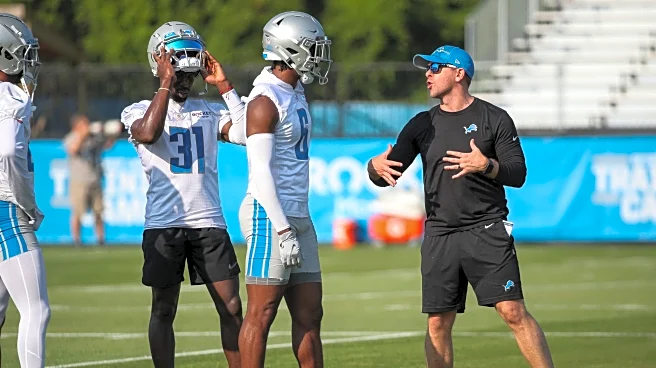
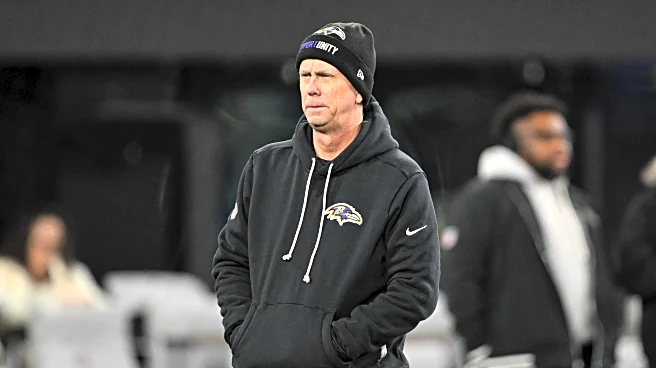
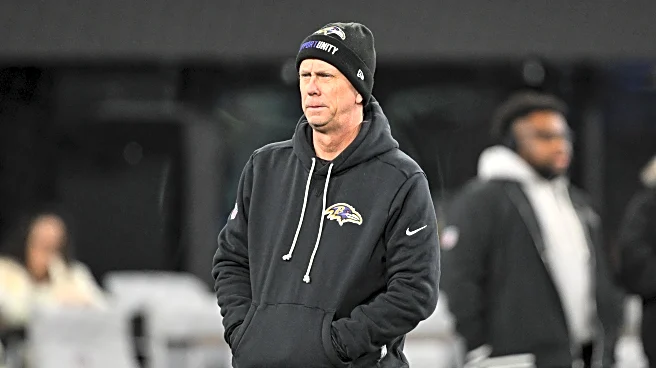
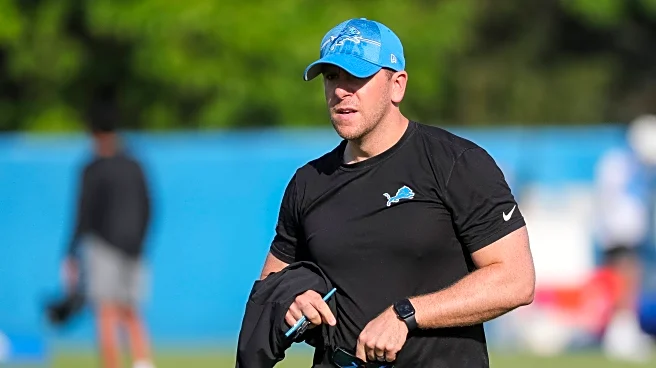
Duker first gained recognition around the league during his time with the Ravens, where he worked as a defensive staff assistant and later an assistant under John Harbaugh and Wink Martindale from 2018–2020. Baltimore fielded three straight top-six defenses during that stretch, and even in a smaller role, Duker clearly made an impression which caught the eye of Aaron Glenn, who brought Duker with him to Detroit. What started as a defensive assistant role, quickly evolved over two seasons as Duker elevated himself as the safeties coach and then defensive backs coach. After the Lions tenure, Duker spent the past two years in Miami, serving as the Dolphins’ secondary coach and pass-game coordinator. For what it’s worth, Dolphins fans liked him as Miami didn’t bottom out completely the last two years on defense despite having major talent deficiencies in the secondary . The resume isn’t golden, but it is impressive how he has caught the attention of multiple defensive coaches and has elevated himself in a quick-span. There’s enough in Duker’s background to be excited about.
What The Hiring Means:
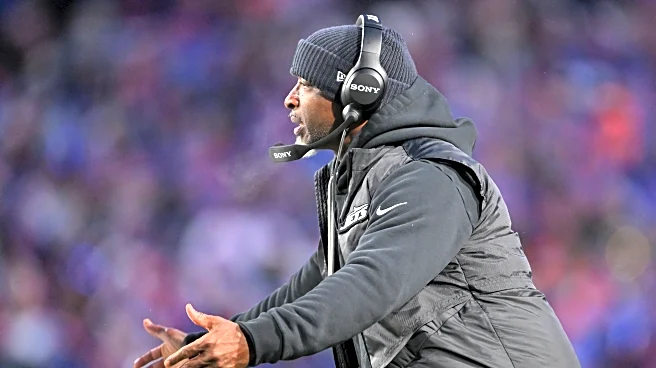
Let’s be clear about something: even if Duker (who has never called plays at the NFL level) ends up calling the defense next year, this is almost certainly going to be the Aaron Glenn show. And while that’ll make some people roll their eyes, I’m not ready to say that’s automatically a bad thing.
Glenn isn’t exactly a fan favorite right now, and for understandable reasons, but I think a lot of the criticism has gone too far. I’m not here to argue that Aaron Glenn is some cutting-edge defensive mastermind, but acting like he’s a horrific defensive play-caller and mind is just lazy. Let’s not rewrite history. His defensive resumé in Detroit and scheme were strong.
In 2021, Glenn inherited the worst defense in the league by DVOA (the 16th-worst unit since 1980 to be precise). He improved it steadily year over year. It didn’t happen overnight, but by Year 3 they were 13th, and by Year 4 they finished 5th. That’s not nothing. And it came despite the defense being the eighth-most injured unit in 2023 by adjusted games lost, and then by far the most injured defense in the league in 2024. And Glenn is on record for being a strong voice in drafting some of the young defensive talent that blossomed under his tutelage such as Kerby Joseph, Jack Campbell, and Brian Branch.
Beyond just results, Glenn’s defenses influenced the league. Other teams copied what Detroit was doing. Cody Alexander (an NFL Big Data Bowl finalist and the mind behind MatchQuarters.com) has written extensively about the Lions’ man-indicator zone concepts and their hybrid base defensive structure. Those ideas didn’t just work in Detroit; they were emulated elsewhere. People tend to frame Glenn as this old school, meat-and-potatoes football guy, but what he helped build in Detroit tells a very different story. The ideas coming out of that defense weren’t dated or simplistic, they were modern, flexible, and, in a lot of ways, ahead of the curve.
Why the Idea Is Worth Trying
When Aaron Glenn was first hired, he made it clear right away that he wasn’t going to focus on the defense. At the time, I understood the logic. Glenn was viewed as a “leader of men,” and while the Jets have had defensive-minded head coaches who were hands-on and successful on that side of the ball, none of them ever really solved the offense. The idea of stepping back from the defense made sense in theory. In practice, it didn’t work.
What stood out to me even then was how Glenn chose to handle the defense. Despite not calling plays himself, he brought in a complete outsider in Steve Wilks to do it. Wilks had no real ties to Glenn, no shared coaching history, and schematically, the two weren’t exactly aligned. Not every head coach calls plays (though most do) but the ones who don’t almost always rely on coordinators who are deeply in sync with how they want that side of the ball run.
Look around the league. Jim Harbaugh doesn’t call plays, but Greg Roman had been his guy for years. Vrabel doesn’t call plays in New England, but Terrell Williams has been with him for over half a decade and calls the defense that Vrabel would. Mike Tomlin handed over play-calling duties to Teryl Austin in 2022 but this was only after Austin had spent years working under him learning what Tomlin liked. There’s continuity. There’s philosophical alignment.
Glenn hiring someone completely outside his coaching tree to run the defense, the very area he specializes in, was unusual, and unfortunately the problems were obvious immediately. Constant breakdowns. Players looking lost. Coverage busts. Pick your poison.
If Glenn is going to be on the hot seat, I don’t think it’s unreasonable for him to lean into his area of expertise. I’d rather him fall on his sword than watch from a distance. Almost any coach would. And even if he doesn’t call plays, the Duker hire at the very least signifies that the defense will be run by someone who’s deeply familiar with the concepts Glenn wants installed, which in theory should lead to less complete breakdowns. This is how the majority of the NFL operates, and there’s a reason for it. The Jets and Glenn unfortunately found this out the hard way.
Where Glenn Messed Up:
I could be wrong here, but I’m willing to bet a lot of the blowback to this hire has less to do with the idea itself and more to do with how the Jets got here.
When Steve Wilks was fired back in December, I don’t think a single Jets fan would’ve been upset if we found out that part of the reason he got fired was because Glenn planned to take a more hands-on role with the defense next year. That would’ve made total sense. It would’ve been easy for the fanbase to buy into something like:
“Glenn was disgusted with how the defense looked last season and, to correct his mistake, wants to be more involved next year while leaning on someone who understands and can install his scheme as defensive coordinator.”
That’s defensible. That’s reasonable. Hell, that’s common. We’ve seen it countless times around the league. Successful head coaches who don’t call plays eventually surround themselves with people who can install their style of football. It works. It’s rational.
But that’s not what happened.
Instead, the Jets and Glenn have spent the last three weeks looking like they’re flying blind. If you’ve followed the beat reporters or paid attention to the interview requests, it’s hard to come away with the sense that there was any clear plan in place.
Duker was the ninth candidate they interviewed and was hired shortly afterward (he wasn’t even listed in the Jets first round of interviews). They supposedly interviewed Wink Martindale twice before even interviewing Duker.
On top of that, the prevailing rumor has been that Glenn initially didn’t want to call plays next year, then suddenly had a “change of heart” and decided he did. Like I said earlier, I don’t think Glenn calling plays is inherently bad. I’m arguing it’s likely good. But it’s concerning that it seemingly took multiple interviews and over five weeks to land on that conclusion. This should have been established early. It’s a decision that Glenn should’ve essentially made the moment Wilks was fired. Or at the very latest, immediately after the season ended.
Because of how the Jets and Glenn handled this process, it’s absolutely impacted fan confidence. Rather than executing a clear, coherent plan (one that would’ve been easy to understand and defend), it feels like things are moving too fast for Glenn, and he may even be in over his head. It’s extremely disappointing and extremely concerning that the head coach seems to not have a cogent plan in place. That’s the perception a large portion of the fanbase has right now, and honestly, it’s hard to argue with them.
Conclusion:
I’m sure there will be plenty of disagreement, but the more I’ve thought about it, the less opposed I am to the hire. I think it’s perfectly reasonable that the Jets landed on a young, up-and-coming defensive coach who’s familiar with Aaron Glenn. I also think it’s completely rational for Glenn to want to correct past mistakes and take a more hands-on approach with the defense. The more I sit with it, the more concerned I’d be if he didn’t want to do that.
That said, in typical Jets fashion, they managed to arrive at this point in the most painful way possible. The path they took raises more questions than it answers and creates more red flags than clarity.
At the end of the day, I’ve always leaned toward the “players make the coaches” side of the debate rather than the other way around. Ultimately, the success of this hire is likely going to come down to whether the Jets draft well and make smart, disciplined moves in free agency. If the defensive talent improves, the defense will improve. If it doesn’t, it won’t. Now it’s just a waiting game.