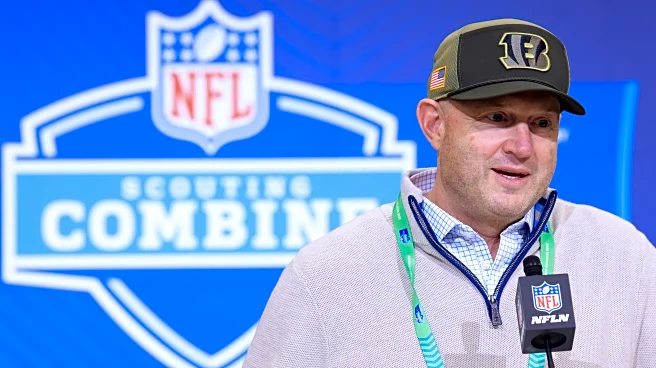


With the NFL Scouting Combine underway, the Kansas City Chiefs have been busy meeting with top candidates in the 2026 NFL Draft class.
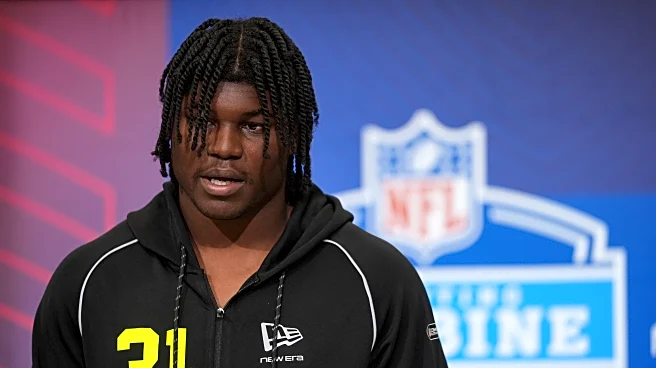
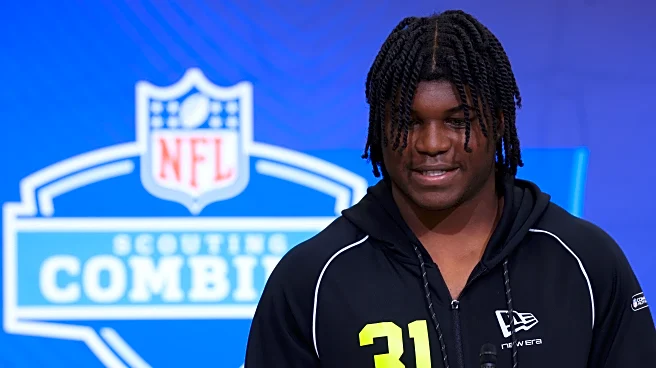
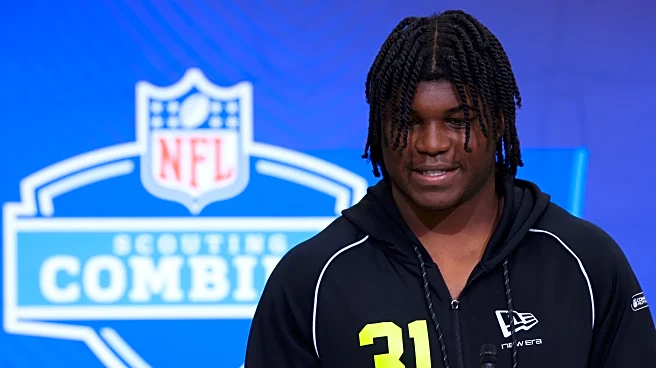
On Wednesday, the defensive linemen of this year’s class met with reporters. Texas Tech edge rusher David Bailey — the fifth-overall player on The Athletic’s consensus big board — revealed that he met with the Chiefs when he answered a question from old friend Pete Sweeney of the Kansas City Star.
Projected as one of the top players in the draft class, Bailey could be the first defensive player off the board, but he could also be available when the Chiefs make the first selection of draft weekend with the ninth-overall pick.
No stone will be left unturned with Kansas City’s preparation for the pick, and Bailey is a good place to start.
Background
On Thursday morning, Bailey was measured at 6 feet 3.5 inches tall and 251 pounds with hands spanning 10 1/4 inches and an arm length of 33 3/4 inches.
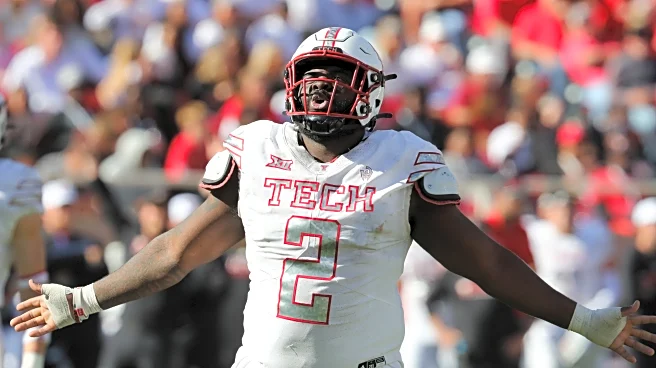
A native of Santa Ana, California, Bailey spent the first three seasons of his college career playing for the Stanford Cardinal. Through his time at Stanford, he recorded 22.5 sacks in 32 career games. While he was productive, he did not receive the acclaim that he would experience after transferring to Texas Tech at the beginning of the 2025 season.
A monster 16-sack senior season fueled Bailey to become a unanimous All-American and the Big 12 Defensive Lineman of the Year.
His big season set the table for his ascent into becoming a top prospect, and his skillset should be one the Chiefs covet.
Film Evaluation
A top-end athlete, Bailey used speed, flexibility, and twitch to bend arcs in college and dominate his opponents.
This snap is a great illustration of the issues Bailey gave collegiate offensive tackles.
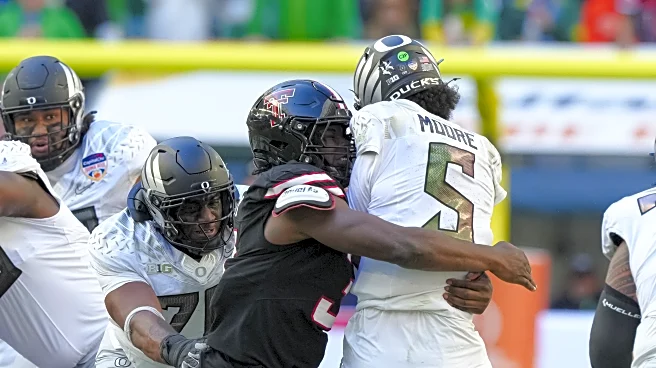
On the snap, he explodes out of his stance quickly, working up the field to beat the tackle to the bend point. Bailey hits the angle he needs to bend the arc, and finishes the play with a rip move to fully free himself of the block, and hits the quarterback before he even has a chance to realize what has happened.
The quick disruption and ability to blow up plays will potentially make Bailey the first edge rusher off the board, but his arsenal of pass rush moves goes beyond just bending the arc.
As his senior season went on, Bailey saw much more attention in the form of chip blocks and double teams.
On the snap, the tight end gives the left tackle a helping hand with a chip block. The chip is designed to slow down Bailey’s initial burst, but he has a surprise for the tackle when they meet eye to eye. As the tackle starts, throw his initial strike in pass protection, Bailey throws a wicked swim move to win through the B-gap to bring down the quarterback for a sack.
The burst off the ball and the explosion in short areas set him apart from any player in the draft class outside of Ohio State linebacker Arvell Reese, and the threat of his quickness around the arc helps to set the table for his teammates and changes the way opposing quarterbacks play from within the pocket.
On the snap, Bailey quickly fires upfield and starts to bend the arc on the left tackle. He is a little off mark at first, but with his superior flexibility, he works himself into a position where he can grab the quarterback from behind.
The quarterback, weary of the constant threat of pass rush from the outside, finds himself stepping up into another future disruptive lineman in this draft: Texas Tech defensive tackle Lee Hunter.
The threat of Bailey’s game-breaking first step in pass protection will set up his teammates for plenty of success in the NFL, especially if he is playing beside an elite interior defensive lineman.
The bottom line
Bailey has plenty of areas to work on, and even a few question marks to his game.
His lack of size will impact his ability to play the run early on in his career, and during the media session at his pro day, this was something that he acknowledged.
As Bailey gains strength and size over time and becomes more seasoned in the league, his run defense should improve over time.
In the current climate of the NFL, his capabilities to rush the passer will significantly outweigh the concerns over his run defense, especially for a team like the Chiefs, which struggled to rush the passer in 2025.
If Kansas City gets an opportunity to draft Bailey— of which there are no guarantees — the franchise will be drafting a truly dynamic pass rusher capable of creating havoc on any given play.
Bailey would be the perfect partner for defensive tackle Chris Jones to help establish the Chiefs’ next wave of pass rushers as the All-Pro enters the twilight of his career.
Drafting a player like Bailey would set up the Chiefs’ pass rush to potentially be elite in 2026, while also giving them the defensive building block of the future.
Players like Bailey don’t come around often, and teams in the middle of dynasty runs rarely get a chance to draft them. If given the chance, the organization should not pass up this opportunity.