








Marty McFly took a gander at the television screen and exclaimed: “Hey, I’ve seen this one. This is a classic!
”Steve Rogers tilted his head in disbelief as he listened to the radio and shared that he had already watched the baseball game being sifted through the grainy 1940’s-era speaker.
Toy Story releases the fifth installment of its storied film series; Shrek soon to follow.
For years, the entertainment industry has been plagued by an ailment that unfortunately has no cure: the re-run.
Re-runs come
in a variety of shapes and sizes. It could be as simple as MeTV playing the same ancient episodes of I Love Lucy, or Comedy Central leaning on favorites from The Office (U.S.). Heck, maybe you’ll still come across an episode or two of Home Improvement on Nick at Nite. The same classic episodes on repeat, lest you forget a single moment of Kevin James’ inspired performance in The King of Queens.
If it’s not a traditional re-run, then it’s a sequel. Another story using the same characters and the same story beats to draw eyeballs and put butts in the seats of your local Cinemark theater. And if it’s not a sequel, it’s a remake where an identical story is told through the lens of inferior animation masquerading as a live-action recreation.
I know this is all sounding a bit “Old Man Yells at Cloud” through the first chunk of this article, but I promise these ramblings have a point besides increasing my word count and draining the seconds from your free time.
Movies, television, and music aren’t the only ones guilty of playing the hits for the anxiously awaiting public; the Utah Jazz have been employing the exact same strategy in the moments leading up to the 2026 NBA Draft, and we’ve all been eating right out of their hands.
When Utah came away from the lottery with the second overall pick, it was cause for celebration in the Beehive State. A team whose draft luck had been horrendous during their rebuilding process, the Jazz had picked ninth, tenth, and fifth in years that saw the team pursuing the number-one overall pick. In fact, the Utah Jazz had never moved up in the lottery in the history of their franchise, so seeing that team climb from the fourth-best odds to the second-overall selection felt how it must be for a citizen of Thneedville to take a deep gulp of O’Hare Brand Air.
Aaaaaaaaah, that’s refreshing.
And what a time to climb, as the top four prospects in this year’s class all came with tangible potential to develop into an NBA superstar. With the second pick, the Jazz hold the luxury to select the best player available, and a prospect who may soon develop into the franchise’s centerpiece — the central symbol of a brighter future.
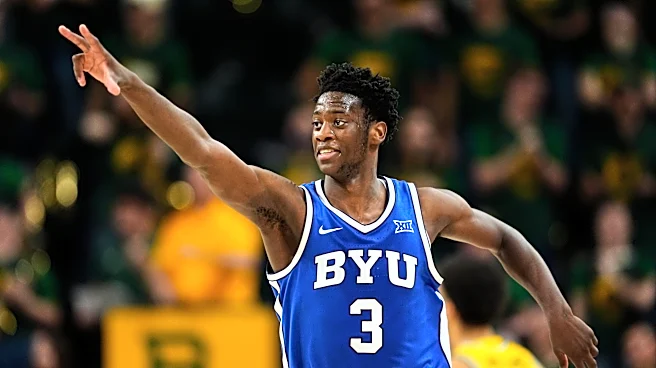
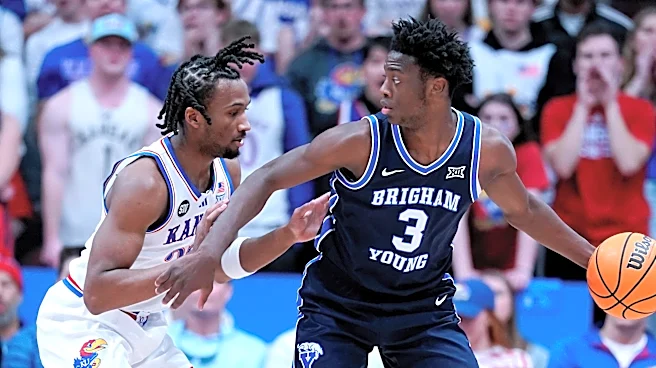
And the shape of that prospect usually materialized into one of two players: AJ Dybantsa from BYU and Darryn Peterson out of Kansas.
It just makes too much sense. Peterson is the perfect combo guard to pair alongside Keyonte George, with an unearthly scoring knack and day-one defensive prowess on the perimeter. Dybantsa could become the best scorer in the NBA one day, with his unholy combination of size, length, athleticism, and a mature offensive skill set at 19 years of age. So, seeing as the Wizards cannot draft both players with the number-one pick (those are the rules, I checked), Utah would be fools to let their eyes wander from the target, right?
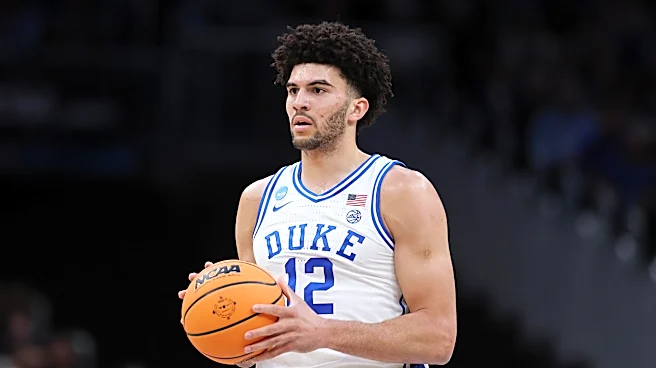
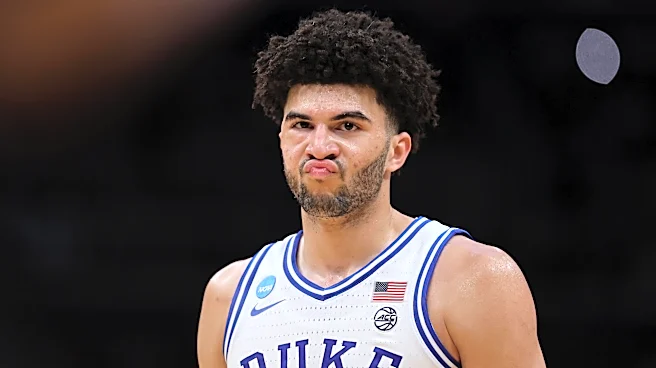
Not if you’re in the Cameron Boozer brigade. The Duke star and National Player of the Year is the best player in the draft, if you subscribe to analytics, but his fit with the already stuffed frontcourt in Utah projects the power forward off the bench behind Lauri Markkanen and Jaren Jackson Jr, a pair of former All-Star forwards who will not be losing their foothold in the starting lineup.
What I wouldn’t give to watch Carlos, Cameron’s father and a scout for the Jazz, struggle to pitch his son in the meeting room without appearing biased.
Yet the Boozer-to-Utah train is careening down the tracks as more and more experts and mock draft puppeteers project the Duke star to follow in his father’s footsteps all the way to the Delta Center. With the issue of fit in mind, why is Cameron Boozer such a popular pick with the Jazz?
It’s all by design.
Here’s that same strategy that I mentioned earlier. Excuse my tin-foil hat — I can’t afford to leave home without it — but the re-run that Utah is broadcasting is the same one they played when Ace Bailey’s camp attempted to force him past Utah in the draft order.
In response, everyone and their grandmother began projecting Jeremiah Fears to the Jazz. Did the fit make sense? No, not really, but the Jazz seemed really interested in Fears, and the reports reflected that. I even wrote a piece titled Is it time to climb aboard the Jeremiah Fears Express?
“The Jazz have helped themselves to a double-dose of Jeremiah Fears; they checked him out once before looking over their shoulders for another look. If his rights are still up for grabs come the fifth selection, there is a very real chance that Austin Ainge makes his first impression by snagging Jeremiah Fears. Even Jonathan Givony seems convinced Utah has this Sooner in their scope.”
It’s a strategy that worked flawlessly, as it kept Washington from trading up to four and gave the Jazz their man with the fifth overall pick. The same is being done this year as swarms of fans buzz about how badly Darryn Peterson wants to avoid playing for the Jazz — as if Memphis were a more popular option.
So, in an effort to throw opposing teams off the scent, the Utah Jazz have employed a smoke screen strategy, and they’re using Cameron Boozer to make this happen.
Wild speculation from Bill Simmons and Kevin O’Connor gave way to a flood of head-nodding. More and more mock drafts began projecting Boozer with the second overall pick, and the ensuing reports hurled gasoline onto an open flame.
The Jazz can’t decide between Dybantsa, Boozer, and Peterson, said Tony Jones at The Athletic.
Utah views Boozer as the ideal fit alongside Jaren Jackson Jr, shared Tim MacMah0n.
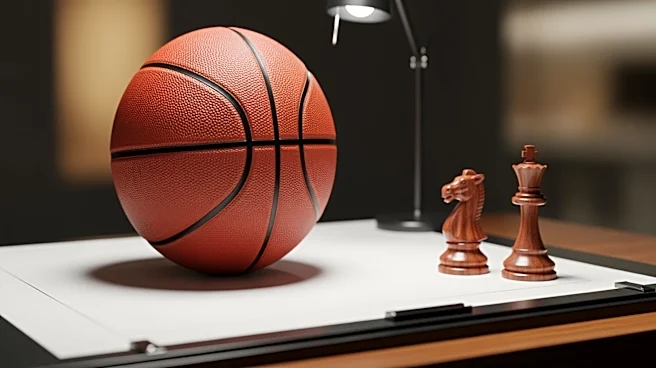
So I’m here to set the record straight: the Utah Jazz won’t be drafting Cameron Boozer. He’s being used as a pawn on Austin Ainge’s grand chessboard.
I could be wrong. Maybe Utah views Boozer as the best player in the draft — he could be — and they wouldn’t pass on his talents for any other name in the class. But if I’ve learned anything from last year’s madness, it’s not to buy in when intel from the Jazz simply doesn’t add up.