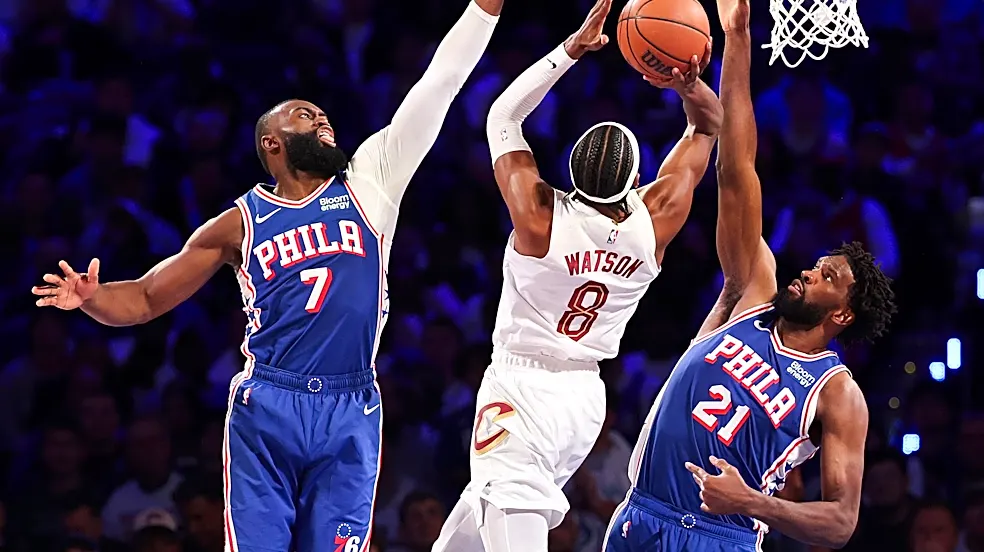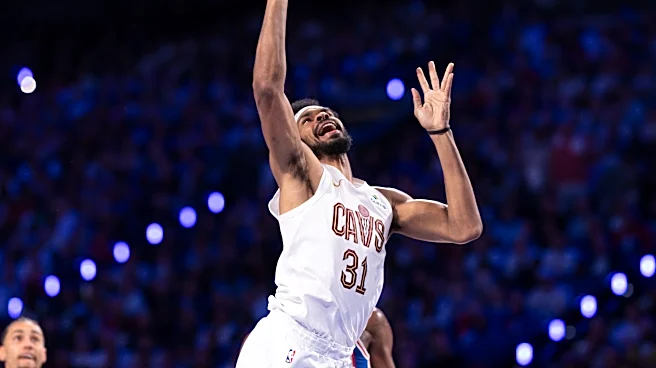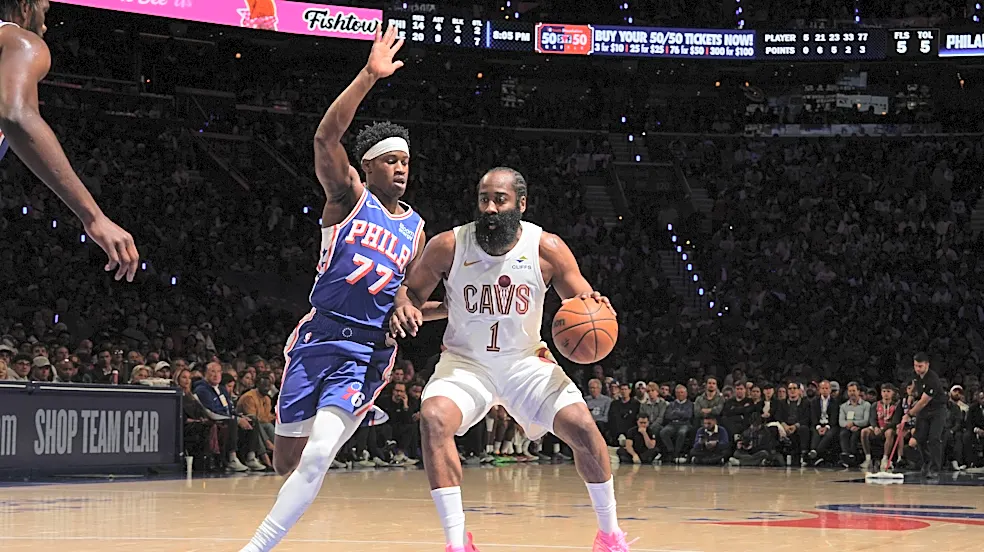



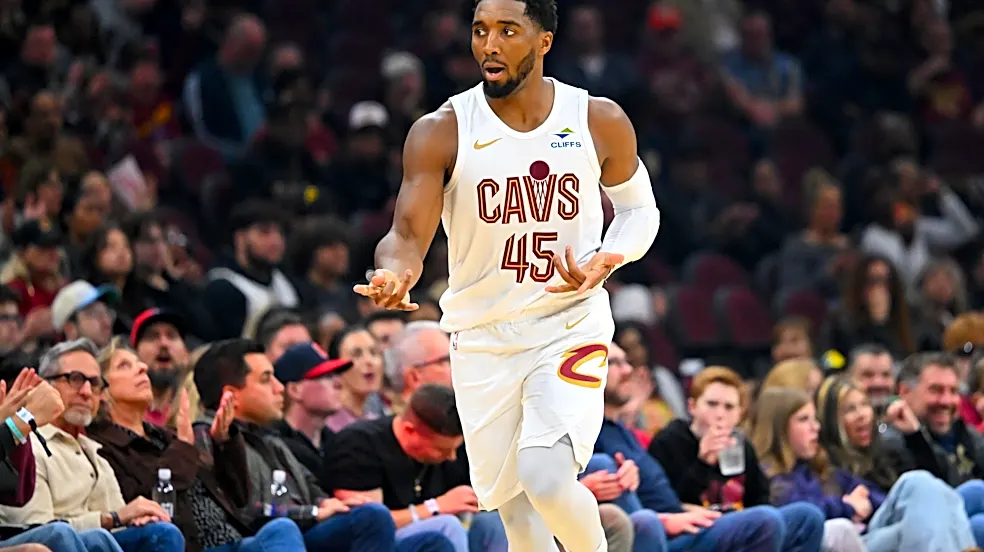

CLEVELAND — Surrendering a 29-point lead in the season opener to a conference rival wasn’t exactly how the Cleveland Cavaliers drew up the start of their season.
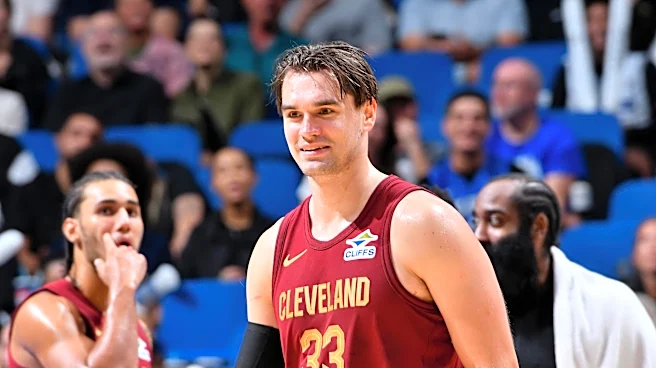
“It sucks, it’s frustrating,” Mario Hezonja said two days after the loss.
As maddening as that loss was for the Cavs — especially after how last season ended against the New York Knicks — being able to play with leads is a skill. And it’s a skill that is becoming more important to learn in a league that large; comebacks are seemingly more common
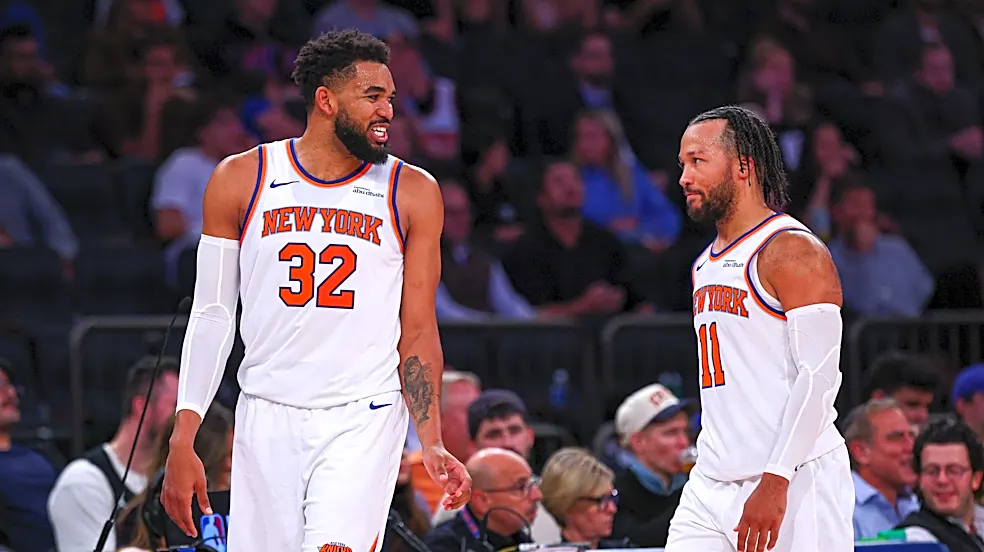
than ever. The Detroit Pistons erased a 22-point deficit to defeat the Boston Celtics on opening day. And the Knicks and Indiana Pacers had incredible success the last two postseasons due in part to their ability to overcome large deficits.
Practically speaking, there’s two reasons why we’re seeing teams surrender leads.
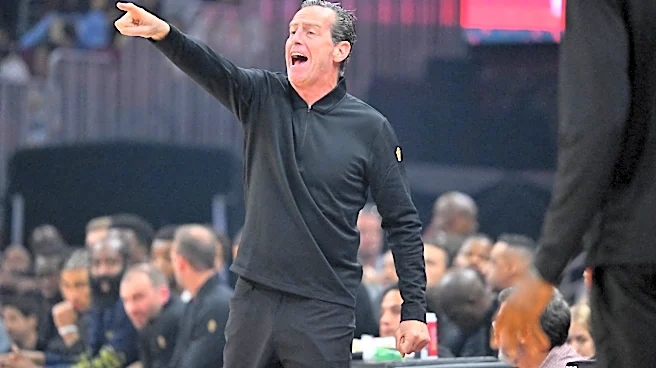
“Live-ball turnovers are up, and three-point variance,” Cavs head coach Kenny Atkinson said when asked why we’re seeing more comebacks.
“That’s the NBA. People shoot so many threes, so you got a lot of variance. You got the turnovers, and you got the rebounding. It all equals a possession game.”
Support us and Let ‘Em Know with Homage!

Anything bought from the links helps support Fear the Sword. You can buy the comfortable Cavs hoodie HERE. You can also shop all of Homage’s Cavs gear HERE.
Atkinson used Thursday’s game as an example of that. In the first half, the Philadelphia 76ers had eight more turnovers than the Cavs. In the second half, the Cavs had 13 more giveaways than the Sixers. “You lose the possession game, now they got more opportunities. Now a big lead can evaporate.”
There’s also a mental component to playing with a lead that the Cavs need to master.
“There’s a ton of a particular mental training that you have to have for that,” Celtics head coach Joe Mazzulla said when asked about playing with a lead. “I think when people look at leads, they automatically think you are the sole reason why a team is up big when in reality the other team is just as much a culprit of why they’re down 22 as to why you’re up 22. So I think it’s a dual relationship to a lead.”
The Cavs are trying to change how they view leads like this.
“Just because you have a 30, 20 point lead doesn’t mean anything really,” Hezonja said. “You got to treat it as a 10-point lead or no lead at all mentally.”
Another theory for why we’re seeing more blown leads could be tied to the stakes of the game as well. Playoff games and opening night mean more than your run-of-the-mill January game.
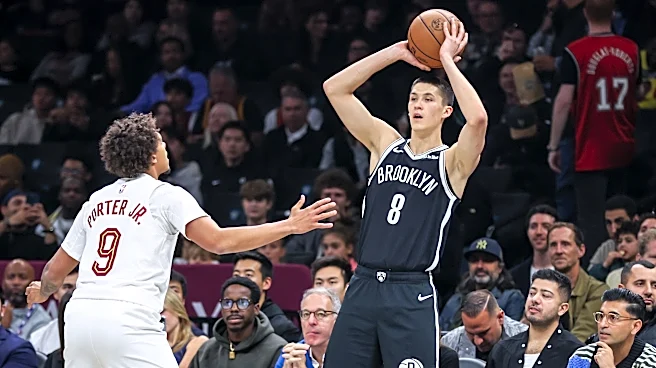
“I think when they’re meaningful games, you have to focus and really execute, and it’s just not an easy thing,” Brooklyn Nets head coach Fernández said.
Poor execution in the second half is to blame for the lost lead to the 76ers. Particularly when the Sixers increased pressure on the ball handler. The Cavs went away from what was working.
“They changed the matchups a little bit, and we should have exposed it and used it against them,” Hezonja said. “But it turned out that they slowed us down and we kind of went away from Evan [Mobley] and Jarett [Alen] paint touches.”
Atkinson summed up this problem in one sentence: “Pass to the open man.”
“Don’t fight pressure, go away from pressure,” Atkinson said. “Sometimes going away from pressure means throwing it to your buddy who’s wide open, and then you gain the advantage that way. But if you try to fight pressure, you can turn it over. So that was a big part of our film session — pass to the open man.”
The Cavs are hoping to use the frustrating opening-night loss as something they can grow from. This isn’t the only time they will have a big lead against a strong opponent in a high-leverage game. And they might not be able to afford a loss in that game like they were on Thursday.
“I’m glad that we got that out of the way because there’s things that we implemented in practice in the 36 hours since,” Peyton Watson said, “and we’re going to be better.”