


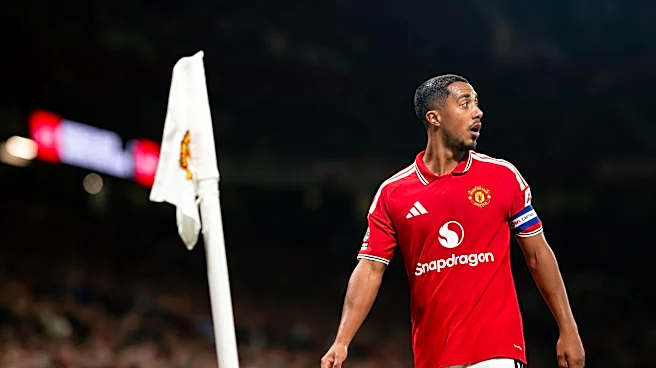

Manchester United’s third-place Premier League finish during the 2025-26 season was achieved even as the club’s wage bill dropped to a six-year low, newly released figures from the club show.
United’s full-year 2025-26 financials were announced on Wednesday, detailing a club wage bill of £302million. That was an £11.3m (four per cent) fall on a year prior and the club’s lowest since the 2019-20 season that was impacted by the Covid-19 pandemic.
Even before any other English clubs have released 2025-26 figures, United’s declining wage bill bucks a wider footballing trend and leaves them a long way behind some main domestic rivals.
Finances at Old Trafford have been a warming topic ever since Sir Jim Ratcliffe purchased a minority stake in the club in February 2024, and the latest figures paint the picture of a club experiencing ongoing transition.
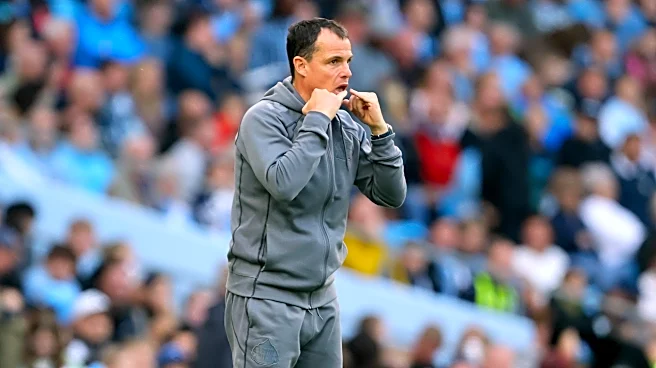
The falling wage bill contributed to improved underlying performance, even in a year where United played no Champions League football, a reduced workload which doubtless helped Michael Carrick’s players achieve a much better domestic finish than the 15th place of 2024-25.
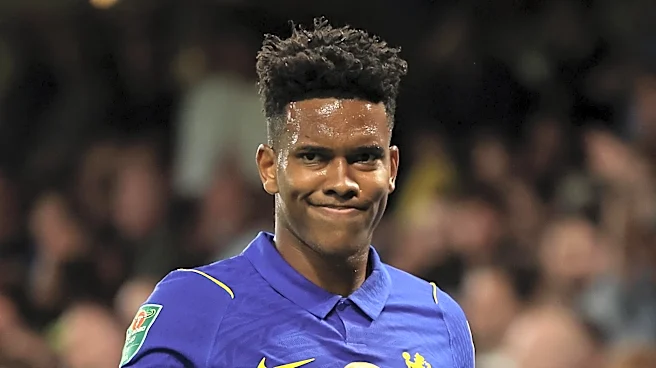
United’s operating loss, before any player sales, was £16m last season, making it the second year running that particular deficit has halved, having landed at £59m two years ago — and that was in a Champions League year, too. Player profits of £46.9m, principally attributable to the sale of Alejandro Garnacho to Chelsea, brought United’s earnings before interest and tax (EBIT) £22.6m into the black, the first time EBIT has been profitable since before the pandemic.
That is a clear sign of the turnaround Ratcliffe has sought to engineer since arriving at the club, though overall profitability remains elusive, and the reason will come as little surprise. Net financing costs, driven by the club’s sizeable debt, totalled £69.6m last season, wiping out the EBIT surplus and generating a bottom line loss of £43m, a £9.9m worsening on a year earlier. It is the seventh year running United have lost money; nearly £450m has now been lost since 2019
United’s debt
Debt has been increasingly fluid in recent seasons, echoing frequent refinancing activity at minority owner INEOS. United have dipped increasingly into short-term, revolving credit facilities (RCF) since 2024, utilising borrowings to massage a cash position much tighter than has historically been the case at Old Trafford.
In June, United refinanced their largest tranche of long-term debt — or, as many fans refer to it, the ‘Glazer debt’ — which first appeared on club books following the family’s leveraged takeover in 2005.
With $425m (£320m) in senior secured notes due to mature in June 2027, United restructured and increased that portion of debt, taking out a $550m (£415m) loan at a higher annual interest rate of 5.36 per cent (the coupon on the $425m had been 3.79 per cent). That will increase annual interest costs on that particular tranche by around $13.3m (£10m, at current rates).
At the end of June 2026, United’s financial debt totalled £689m, a £52m increase on a year prior.
Record revenues
The debt might be tamping down any return to profitability, but, at the top line, United managed to grow revenues even in a year without European football or a training kit sponsor.
Such growth was wholly attributed to on-field performance, where finishing third represented an improvement of 12 places. The Premier League is estimated to have distributed £300m more in prize money to competing clubs last season, with United’s take edging over £190m, a £55m improvement on 2024-25. That more than offset monies lost from missing out on Europe, and broadcasting income improved by £33.7m (19 per cent).
Retail and merchandising income actually increased in the year by £11.9m (eight per cent), with United benefitting from a full year of their in-house e-commerce model (it only operated for 10 months out of 12 in 2024-25), as well as them booking a one-off credit related to the terms of that model.
Since Ratcliffe’s arrival, there has been a clear drive to shed what he sees as excess and more closely align on-and off-field performance. With big cuts made and external financing heavily leant on, that alignment has grown with each passing year, and it is now clear that getting it right on the field will push United back towards the financial health the club was long able to boast. Debt is up and interest too but underlying performance is improving, and going far in the Champions League would help greatly.
But even improved footballing performance looks precarious and unable to be counted upon.
Wages remain the greatest corollary of success and, while United bucked the trend last season, there are already signs they’ll struggle to compete effectively on all fronts once the added pressure of European football bites. Improved European earnings could be offset by falling prize money at home. Peers pay far more than United in wages, and performance usually reflects that.
With debt continuing to cast a long shadow, and large transfer fee instalments still to pay (again, these won’t be made clear until full accounts are released later this week), as well as the funding of a world class new home still to be ironed out, financial intrigue at Manchester United is far from an end.