





The Daily Merengue is a place where you can feel free to do all things football. Do not be alarmed by the overt RMCF bias. It’s in the name! Shoutout to the mods who do a fantastic job, Ezek, Valyrian Steel, Felipejack, Juninho, NeRObutBlanco and yours truly, Kung_Fu_Zizou
UP NEXT… vs Girona
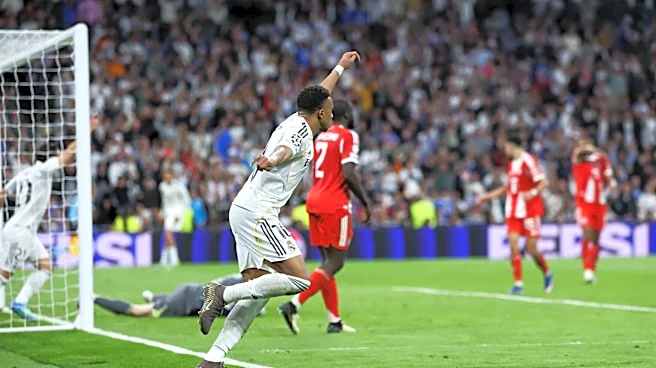
Real Madrid should have momentum from the performance against Bayern. While the result was not positive, the attitude was more than enough to have Bayern hanging on to a thin lead for significant parts of the game. The offense was efficient
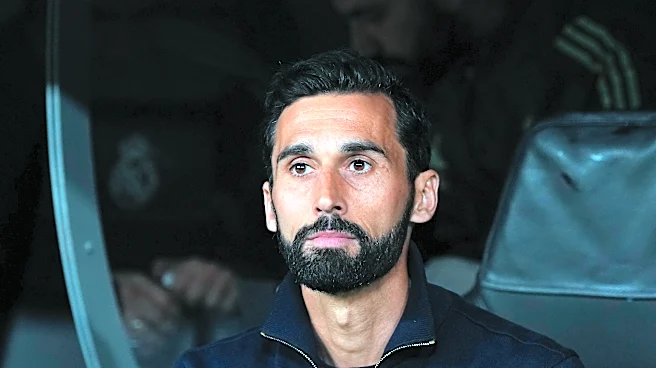
in generating chances even if the conversion could have been better. A win is necessary to carry over confidence before what could potentially be the last meaningful game of the season. Arbeloa has his structure and his balance. He needs results.
No Engine?
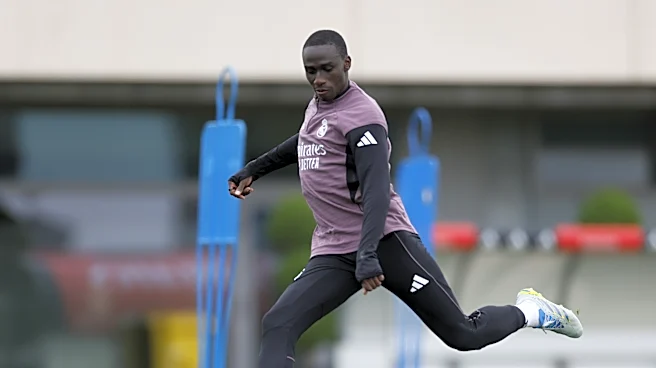
Aurélien Tchouaméni

Any functional midfield needs a balance, and Tchouaméni provides it. He fixes the structure in place, holds central zones, protects the defence, and ensures that transitions don’t immediately turn into exposure. That allows the rest of the midfield to operate with far more freedom than they otherwise could. He’s not there to progress play at a high level or dictate rhythm. Tchouameni is there to make the system stable. Without that base, the profile of the other three becomes unstable.
Federico Valverde

If Tchouaméni is the constraint, Valverde is the release valve. He converts defensive moments into forward momentum almost immediately, either through carries or by covering space that allows others to move ahead of the ball. His value isn’t in controlling play but in preventing stagnation. He ensures that the system doesn’t collapse into slow, predictable possession. Fede is what makes the structure dynamic rather than static.
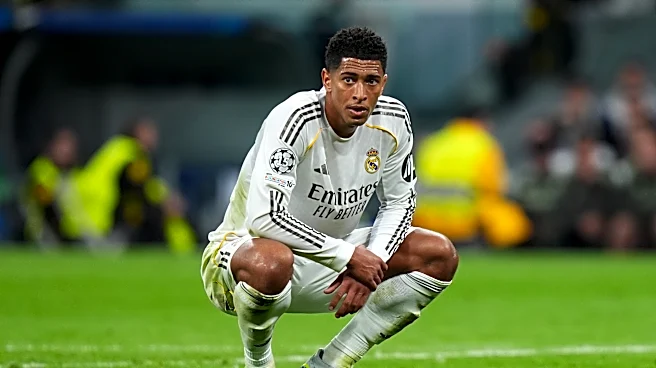
Jude Bellingham

Bellingham gives the system its vertical threat. He operates between lines, arrives late, and forces defensive adjustments that open space for others. Importantly, he doesn’t need high touch volume to influence the game. Jude’s impact comes from timing and positioning. That makes him compatible with a midfield that isn’t built on sustained control. He doesn’t solve buildup, but he doesn’t need to. He converts structure into output.
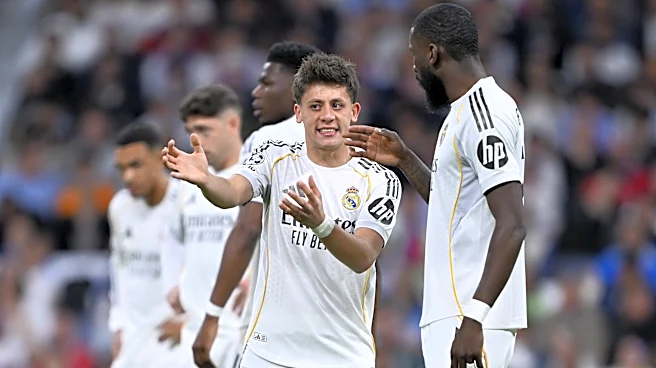
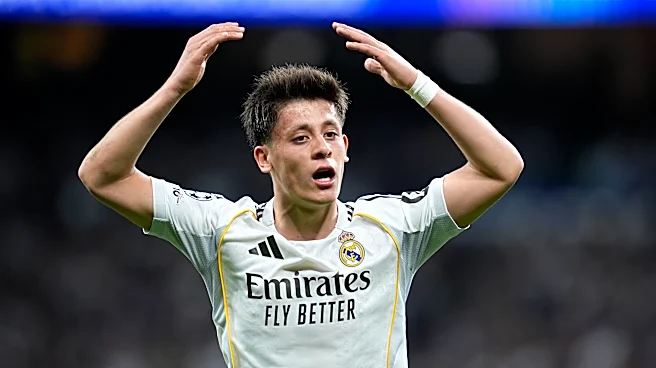
Arda Güler

Güler completes the picture by adding precision where the other three are more functional. He operates in tight spaces, makes the final decision, and gives the system a level of technical clarity in the last phase. Without him, attacks risk becoming too direct and dependent on individual actions. With him, there is at least some capacity to resolve situations cleanly in the final third. His defensive limitations are real, but within this structure, they are absorbed rather than exposed.
Food for Thought
This combination works because the roles are complementary rather than overlapping. Each player solves a different constraint: stability, progression, disruption, and execution. There is very little redundancy, which is why the system feels efficient when it functions properly.
The question is whether that efficiency holds under different conditions. Against teams that deny transitions and compress space, the lack of a true tempo-setter becomes more pronounced. At that point, the system is forced to generate control collectively rather than rely on a single profile and it’s not yet clear whether it can do that consistently.
Dean Huijsen and the Libero Effect
Huijsen potentially shifts this balance. With his ability to step out from the back line, carry the ball, and play progressive passes under less pressure, he introduces a form of control that the midfield itself does not naturally provide. In effect, he externalises the missing function instead of asking Tchouaméni to dictate play, progression can begin one line deeper.
That has two consequences. First, it reduces the structural burden on the midfield to create tempo, allowing Tchouaméni to remain purely stabilising. Second, it improves access to players like Bellingham and Güler between the lines, as progression arrives earlier and with more clarity.
If that dynamic holds, then the limitation of this midfield is not removed, but redistributed. Control doesn’t emerge from within the midfield but is supplied from behind it. The question then becomes whether that is a sustainable model against higher-level pressure, or simply a workaround that functions best under specific conditions.