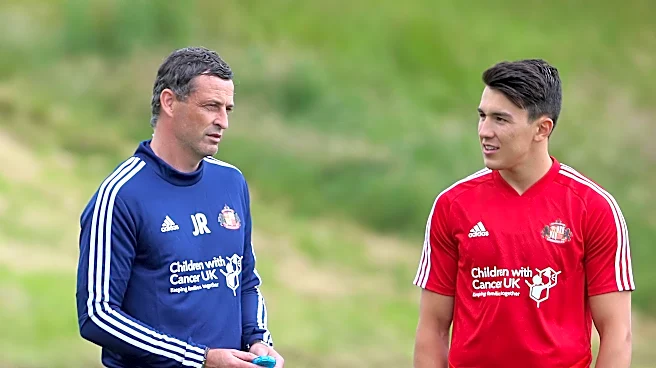





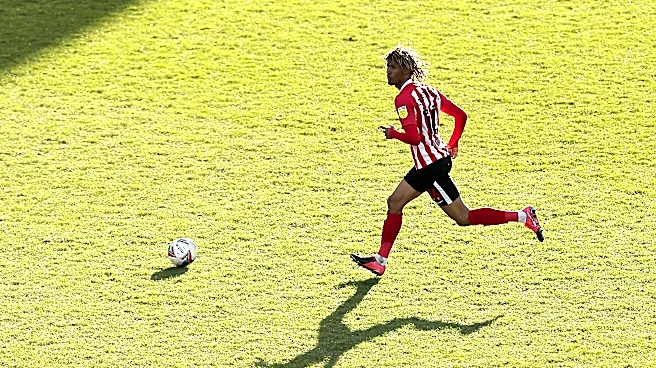
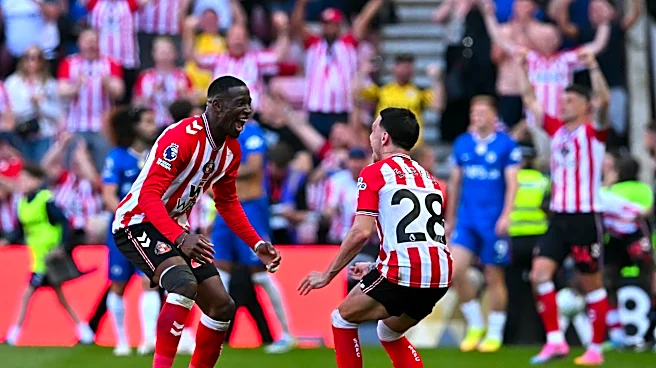
Today marks the birthday of our former manager Jack Ross, a figure whose time on Wearside continues to divide opinion among supporters as to whether it was a successful tenure or not. While his reign ultimately ended in disappointment, Ross also played an important role in stabilising the club during one of the most turbulent periods in its history.
Appointed by new owner Stewart Donald in May 2018 following our relegation to League One, Ross arrived with the task of trying to rebuild a club that
had suffered back-to-back drops from the Premier League to the third tier. Naturally, expectations were enormous, but the Scotsman quickly brought a sense of calm and stability to a dressing room and fanbase that had been rocked by years of decline and disappointment.
One of the biggest positives of Ross’s tenure was his ability to restore the team’s pride in their performances and, crucially, start winning games again. Sunderland lost just five league matches during the 2018-19 campaign and finished fifth with 88 points. The team reached the League One play-off final at Wembley, where they narrowly lost 2-1 to Charlton Athletic in heartbreaking fashion. Ross also guided the Black Cats to the final of the EFL Trophy, although they were defeated on penalties by Portsmouth.
Ross deserves credit for creating a side that was difficult to beat and capable of grinding out results. Players such as Aiden McGeady thrived under his management, while the club regained a level of professionalism and organisation on the pitch that had been lacking in previous seasons.

However, there were significant criticisms too. Despite Sunderland’s decent points tally, many fans felt the team lacked attacking ambition. Too often, winning positions were surrendered and matches ended in frustrating draws, particularly 1-1 stalemates.
Ross’s side developed a reputation for cautious and unexciting football, particularly against teams lower in the table, leading to accusations that the Scot was not getting the best from one of League One’s strongest squads.
These concerns were heightened by the departure of Josh Maja, who left the club in the January transfer window to join Bordeaux after scoring sixteen goals prior to his move, along with the protracted and somewhat comical transfer saga surrounding Will Grigg, who arrived as Maja’s replacement.
The failure to secure promotion in 2018-19 proved costly. When Sunderland struggled to establish themselves as automatic promotion contenders during the following season, patience from the board and some fans began to wear thin. Ross became the fall guy – perhaps somewhat harshly – and was dismissed in October 2019 with the club sitting sixth in the table, a decision that remains a subject of debate among supporters.
Looking back, Jack Ross’s time at Sunderland can be viewed through two lenses. On one hand, he steadied a sinking ship, restored pride and guided the club to two Wembley finals. On the other, he was unable to deliver the promotion that was considered essential and was often criticised for a style of football that failed to fully convince despite the talent at his disposal.
On his birthday, Ross remains a notable figure in Sunderland’s recent history – a manager whose reign featured both genuine progress and lingering frustration in equal measure.