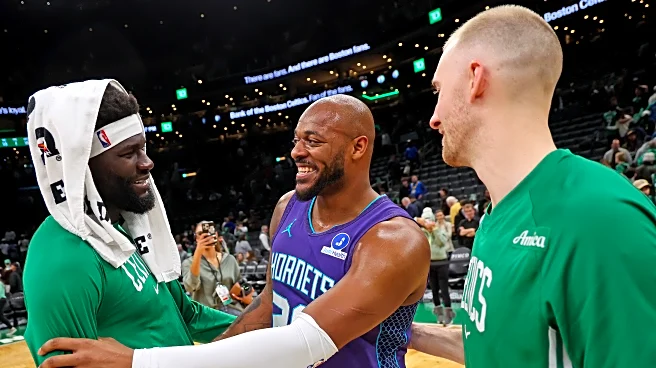


Boston stumbled badly against Charlotte on Wednesday, getting blown out 118–89 in one of their roughest games of the season. Turnovers piled up, the shots never fell, and the defense didn’t really settle in. It was the type of performance that could linger for a couple days. Friday night at TD Garden won’t allow it. The return of Jayson Tatum and the arrival of Cooper Flagg give this one serious juice.
Here are three questions that could shape it.

What does Tatum’s return actually look like?
The moment Celtics fans have been waiting for is finally
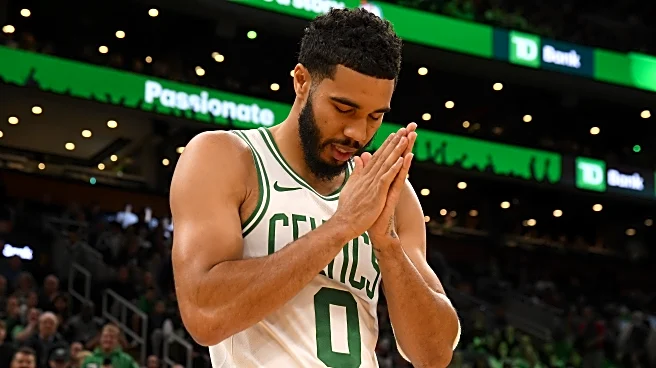
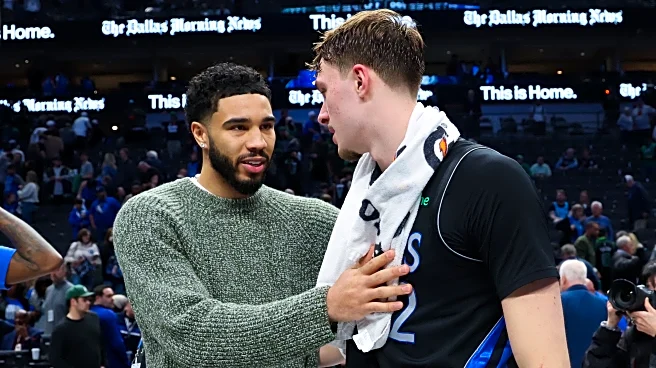
here. Tatum will officially make his season debut tonight at TD Garden, fulfilling the promise he made months ago that his first game back would be at home. After a ruptured Achilles and nearly ten months of rehab, he’ll reportedly be on a 20-minute restriction. It’s a meaningful first step, and a chance to begin the reintegration process ahead of the playoffs.
The early minutes will say more about Tatum’s conditioning and comfort level than the box score. There should be zero expectation that he jumps immediately back into a high usage role and dominates, but how they use him is worth tracking. Will he spend more time off the ball, or do they let him create to find a rhythm? How involved is he as a screener or ball-handler in the pick-and-roll? Do they give him isolation or post-up opportunities? The play type distribution should give a glimpse at how much of a load he’s ready to take on.
The same goes on the defensive end. It’ll be worth noting if he’s switching onto Mavericks bigs and guards, regardless of how he holds up in those matchups right away.
He’s stated that he’s not coming back to be a role player, but in the short term, he’ll be perfectly comfortable filling the gaps until his conditioning is where it needs to be. There’s no reason to overwork him, but there is a balance to hit that ramps him back up while sticking to what’s made the team successfully already. The good news is that he’s one of the most versatile stars in the league.
Joe Mazzulla will manage his role and minutes with care. The goal tonight isn’t a vintage Tatum performance. Seeing him absorb contact, and find confidence in his movements is an important part in the mental aspect of the rehabilitation process. You can’t replicate the value that real game reps provides.
He could have a thrilling 20+ point comeback, or an inefficient emotional game. Either way, it’ll be good to have him back. Even in limited minutes, he tends to find ways to impact the game.
Can Boston slow down Cooper Flagg on his homecoming?
If Tatum’s return is the story on one side, Cooper Flagg is the draw on the other.
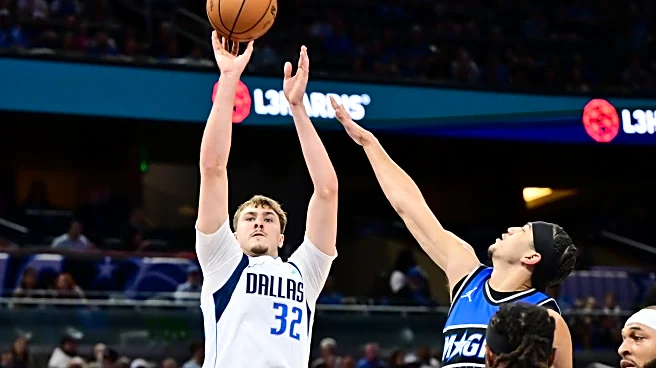
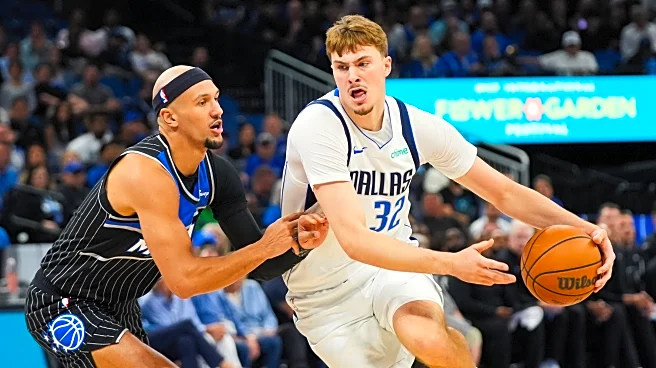
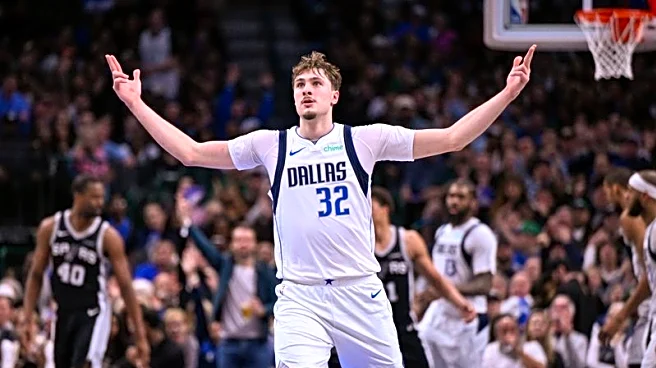
The Maine native plays his only game of the season at TD Garden tonight, and the moment won’t be lost on him. Before a foot injury sidelined him, Flagg had been on a tear, averaging 32 points, 7.7 rebounds, four assists, and 1.2 blocks over a six-game stretch while shooting 52.6%. He returned Thursday against Orlando on a minutes restriction and looked like someone shaking off rust — 18 points on 7-for-22 shooting.

Now comes the second night of a back-to-back, in front of a crowd that watched his rise up close. Despite the loss, he was masterful in the previous matchup with the Celtics. Boston threw different looks at him, and he handled the pressure with the poise of a veteran.
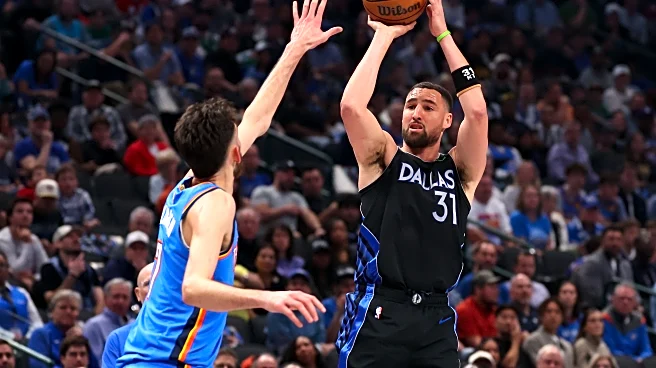
Dallas sits at 21–40 and firmly in lottery territory. But that record doesn’t really describe the challenge Flagg presents. His size, pace, and confidence give him a well-rounded impact that’s reminiscent of Tatum in flashes.
Dallas may be playing out the schedule, but Flagg isn’t. He’ll have a ton of family, friends and fans in the building. If Boston can’t slow him early, he might be the only thing capable of pushing Tatum lower in the postgame headlines.
Has Mazzulla been quietly building toward this moment all season?
All season, Baylor Scheierman, Jordan Walsh, and Hugo Gonzalez have cycled through Boston’s wing rotation. Some nights one starts. Other nights another closes. The roles have shifted constantly, and the team has kept functioning anyway.
The simplest explanation is merit. Each player has had stretches where they’ve earned more time, and Mazzulla has rewarded it. He’s building confidence in his young players, and making development a priority.
The fluidity of the rotation has also made the team more flexible. No single role has been rigid, as minutes can move without the offense or defense collapsing around them. That matters deeply now.

Reintegrating a star forward who hasn’t played since last playoffs inevitably changes the rotation. But Boston has treated that fifth starting spot like a season-long revolving door. This group has been used to adapting night to night. Nobody was asked to be a Tatum placeholder, but to impact the game in the ways that they could. You can’t recreate what Tatum brings, and maybe this allows him focus more easily on being what he can.
Whether Mazzulla designed it this way or it was simply a product of his developmental approach, the result is the same. Boston enters one of the more anticipated nights of its season with a rotation already used to adjusting.
Tonight is the first look at what that adjustment actually looks like with a superstar back in the mix.