


For years, the Seattle Seahawks built a clear draft identity around experience.
Seattle consistently leaned toward seniors, team captains, older prospects, and players with massive collegiate résumés. The franchise historically valued maturity, durability, leadership, and prospects who had already accumulated years of starting reps before entering the NFL.
That has been changing for a few years now, but in 2026 it reached a particularly interesting level.
Instead of following one prototype, Seattle
repeatedly alternated between extremely experienced veterans and players whose actual high-level production came very late in their college careers. The result was one of the most interesting philosophical mixes in the entire draft.
The first-round selection immediately established that contrast.
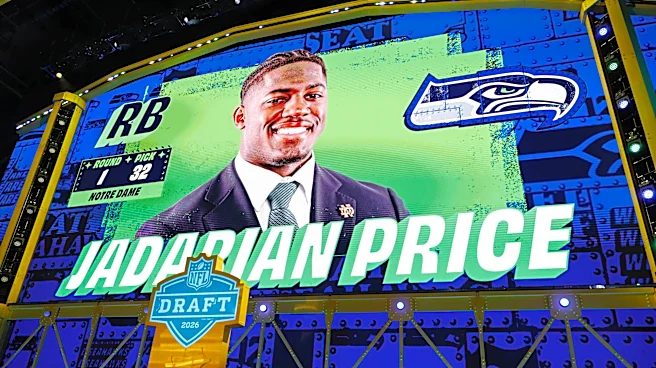
Running back Jadarian Price, selected 32nd overall out of Notre Dame, enters the NFL as one of the most explosive athletes in the class — but also one of the least proven feature backs among early selections. Injuries disrupted portions of his college career, and he rarely spent extended time as the unquestioned centerpiece of an offense. Seattle essentially drafted upside, explosiveness, and projection over years of established production. He arrives with low mileage and enormous physical talent, but comparatively limited experience as a long-term starter.
Then Seattle pivoted completely.
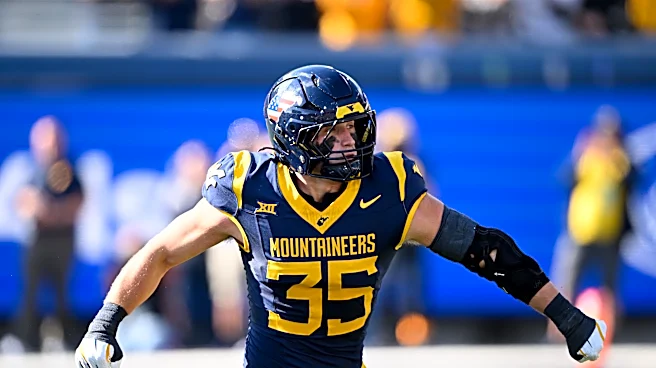
Safety Bud Clark, selected in the second round out of TCU, represents the exact opposite profile. Clark used both a redshirt year and the extra COVID eligibility season, ultimately spending six years in college football. By the time he reached the NFL, he had accumulated enormous starting experience, multiple All-Big 12 honors, and years of leadership responsibilities as a team captain. His résumé includes 15 career interceptions and hundreds upon hundreds of high-level defensive snaps. If Price represented projection, Clark represented proven experience.
The pattern continued with Julian Neal.
Neal spent most of his early collegiate career buried on the depth chart in Fresno State before eventually transferring to Arkansas. His situation is particularly interesting because his rise happened simultaneously with a jump in competition level. Not only did he become a full-time starter relatively late, but he also faced SEC competition for the first time in his career. Despite being an “older prospect” overall, Neal still arrives relatively inexperienced when it comes to extended elite-level starting experience.
Seattle then swung back toward stability with Beau Stephens.
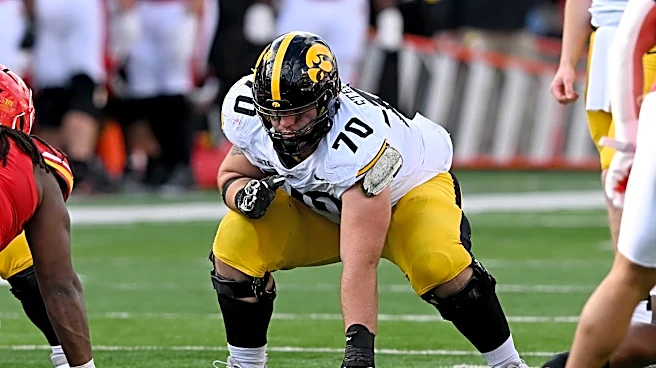
Stephens brought one of the safest and most experienced offensive line profiles in the 2026 class. The Iowa offensive guard accumulated years of starting reps and an enormous amount of collegiate snaps against high-level competition. His evaluation is built around consistency, physical maturity, and reliability rather than developmental upside. Stephens is exactly the kind of battle-tested lineman Seattle traditionally loved targeting in previous draft cycles.
Then came Emmanuel Henderson Jr., who may embody the “late development” archetype more than anyone else in the class.
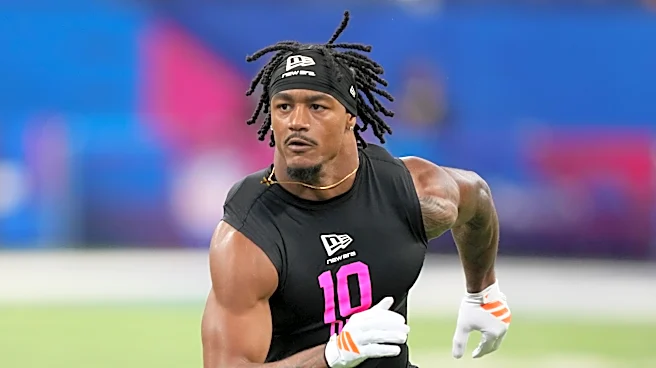
Henderson entered college football as a highly touted Alabama recruit with enormous expectations, but his early career produced very little meaningful offensive impact. He struggled to secure a consistent role and never truly established himself within Alabama’s offense. Only after transferring to Kansas did he finally become a productive offensive weapon. In reality, Seattle drafted a player with just one truly proven year of high-level production despite years of recruiting hype surrounding his athletic profile.
Andre Fuller follows a somewhat similar developmental path.
The Toledo cornerback originally began his collegiate career at Arkansas-Pine Bluff before transferring upward in competition level. Even after arriving at Toledo, Fuller spent years rotating and developing rather than immediately becoming a full-time impact starter. He lost the 2024 season to injury before finally exploding in 2025, earning First-Team All-MAC honors while recording 49 tackles, 11 pass breakups, and allowing only 42.3 percent completions into his coverage. Despite being 24 years old, Fuller is still relatively inexperienced when it comes to sustained high-level starting production.
Then Seattle returned once again to the veteran side of the spectrum with defensive tackle Deven Eastern.
Eastern arrived with one of the strongest experience profiles in the class. The Minnesota defensive tackle started 39 consecutive games during his collegiate career, giving Seattle one of the most battle-tested trench defenders in the later rounds. Across multiple seasons in the Big Ten, Eastern consistently faced high-level offensive line competition while building a reputation for durability, consistency, and reliability. His value comes less from untapped projection and more from the sheer volume of proven snaps he already brings into the league.
Finally, there is cornerback Michael Dansby.
Dansby’s career arc perfectly fits Seattle’s apparent fascination with developmental growth. During his time at San Jose State, he never fully established himself as a long-term starter despite seeing rotational action and flashes of potential. Only after transferring to Arizona did his development truly begin accelerating. Playing against significantly stronger weekly competition, Dansby started showing more consistent growth in coverage discipline, physicality, and overall confidence. Rather than drafting a finished product, Seattle appears to have bet on the idea that Dansby’s best football is still ahead of him.
And that ultimately may define this entire draft class.
The Seahawks did not commit themselves exclusively to older prospects. They also did not fully chase raw upside.
Instead, Seattle constantly alternated between players with thousands of collegiate snaps and prospects whose real emergence only happened recently. Some arrive with six years of proven production. Others enter the league with only one true season of high-level starting success.
Rather than building around one developmental philosophy, the Seahawks built a class designed around balance itself.