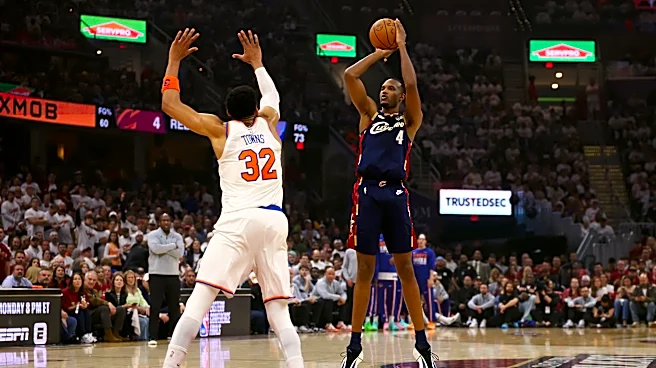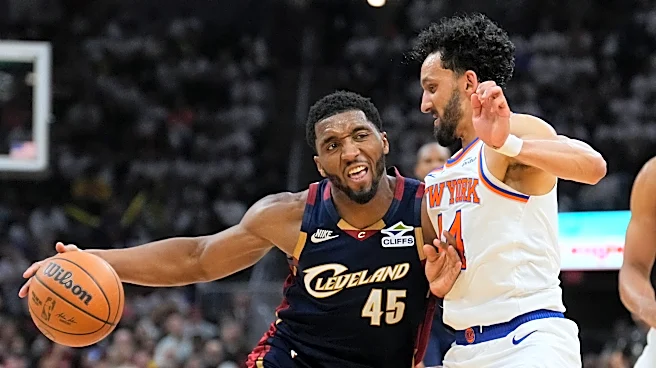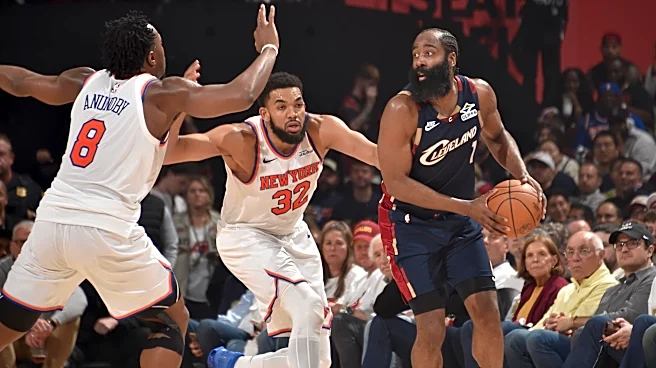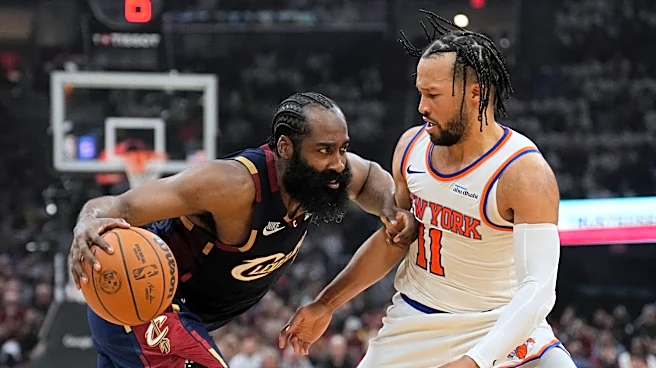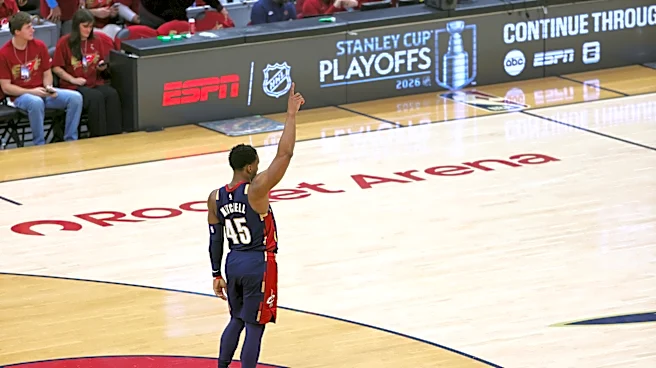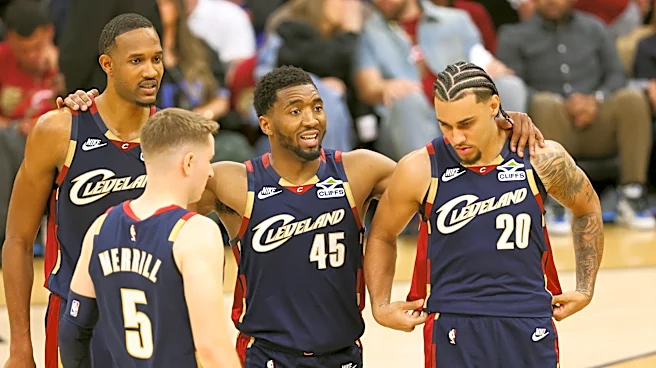



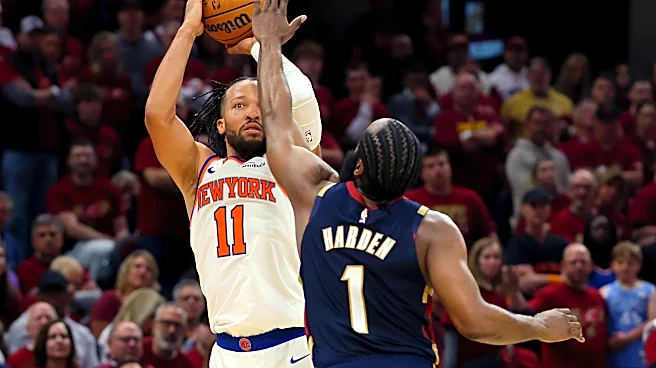

Game 1 was a confirmation of a cultural problem. The Cleveland Cavaliers surrendered a 22-point lead in the fourth quarter, not gradually, not begrudgingly, but as if they had simply decided to stop. The New York Knicks didn’t steal the game so much as Cleveland left it unlocked, engine running, keys in the ignition.
What followed wasn’t a series. It was a confirmation.
The unbothered problem
All season, the word that kept surfacing around this team was resilient. They won back-to-back Game 7s, against
Toronto, against Detroit, and the narratives wrote themselves. Mentally tough. Unbreakable. Built different.
But resilience and indifference are separated by a razor’s edge, and against New York, Cleveland spent four games on the wrong side of it. The same equanimity that helped them claw back from deficits became a kind of emotional flatness; an inability to register the weight of the moment when the moment demanded urgency. They twice held 3–2 series leads in earlier rounds and failed to close. No one seemed particularly alarmed. That should have been the warning sign.
Game 7 victories hid problems in plain sight. If you want to view both those series objectively, the Cavaliers struggled to close out teams that were much more flawed than a New York team that wasn’t going to succumb to anything but Cleveland’s best punch.
Roster construction and coaching will get their due; there is plenty to excavate there. But before any of that: the Cavaliers, for long stretches of this series, did not appear to be trying as hard as the other team. The Knicks ran. They dove. They celebrated. New York played like a city starving for something; Cleveland played like a team that had already made peace with however things turned out.
After every loss, the message was almost chalked up to an unlucky coin flip. The Cavaliers would convey all the lip service to make one think they took the loss to heart. Sure of the fact that this game would be put behind them, not far enough to not draw conclusions and improvements from, only to play identically both in scheme and effort, resulting in the same narrative for four straight games.
Game 4 was probably the most telling for me of where this Cavaliers team was, mentally and physically drained. All you want as a fan is to see your team fight for pride on its home court. Especially when your opponent can celebrate and lift hardware in front of your fans. It seemed the Cavaliers gave their “best” in the first eight minutes. When the Knicks continued to pile on the points and run in transition, that was the kiss of death for the Cavaliers’ season.
Hustle metrics, second-chance points, deflections by nearly every measure of effort that can be quantified, the Cavaliers came up short. That is not a coaching problem or a roster problem first. That is a pride problem.
James Harden absorbs a disproportionate share of the blame in these moments; always has, likely always will. Some of it is fair. Some of it is lazy. But pinning this collapse on any single player lets the other fourteen off a hook they should not be allowed to wriggle from. This was a collective failure. The Cavaliers were a soulless corpse long before anyone’s shot selection or defensive positioning became the story.
The question facing Cleveland this offseason isn’t whether to tweak the roster at the margins. It’s whether this team, in its current form, has the capacity for genuine desperation; for the kind of hunger that makes a Game 3 and 4 blowouts feel like a wound rather than a footnote. Until they can answer that honestly, the Game 1 collapses will keep coming.
If the Cavaliers are to get where they want to go, they need to realize the culture they built is one where contentment comes too easily. A culture where counter punches aren’t expected and where, once a lead is built, a loss can never follow. I think the poison from this mentality trickled from the top down, including coaching, stars like Donovan Mitchell and Harden down to the role players.
It’s an organizational issue, and if the Cavaliers want to become serious, they need to show it on the floor and not at the podium.