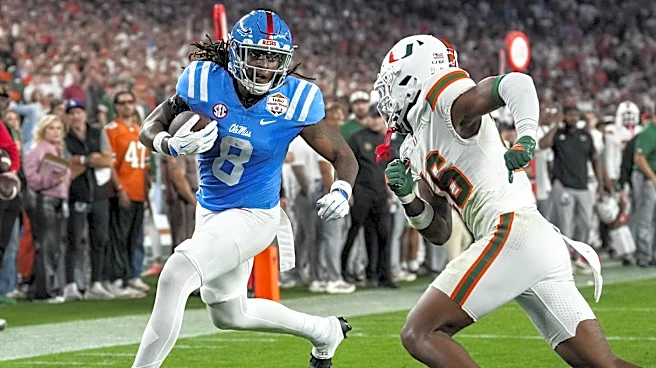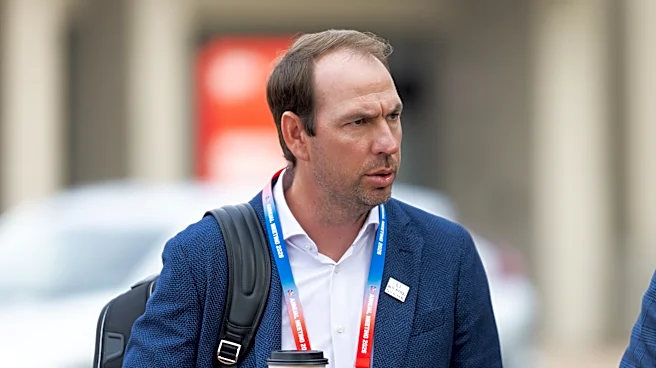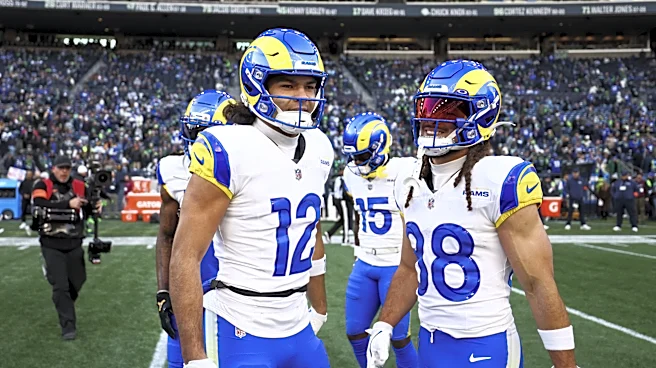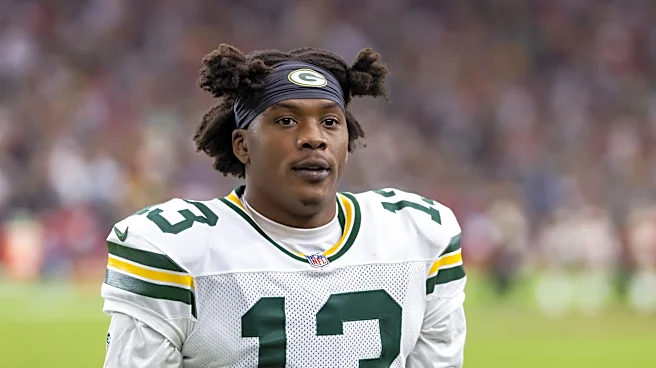


The Los Angeles Rams enter the upcoming NFL Draft with a clear objective: strengthen their wide receiver corps. On the surface, adding a single receiver might seem sufficient given the presence of elite talents like Davante Adams and Puka Nacua. However, a deeper look at the roster, offensive philosophy, and long-term outlook suggests that one addition simply is not be enough. In fact, the Rams would be wise to draft at least two wide receivers this year.
Reason #1: Elevating the 11 Personnel Offense
Head Coach Sean McVay’s offense has long relied
on 11 personnel (one running back, one tight end, three wide receivers) as its foundation. Even though the offense utilized 13 personnel a lot in 2025, 11 personnel was the most common grouping.
Currently, Adams and Nacua form one of the most formidable duos in the league. But defenses in today’s NFL are too sophisticated to be consistently beaten by just two receiving threats. Opponents will scheme to double-team Adams, disrupt Nacua’s timing routes, and force the Rams to rely on their third option. If that player is not capable of winning one-on-one matchups or stretching the field, the entire offense can stagnate.
From a statistical perspective this past season, Matthew Stafford was 52/87 (59.7%), 758 yards, 2 TDs, 3 INT when targeting his #3 WRs: Konata Mumpfield, Tutu Atwell, Jordan Whittington, and Xavier Smith.
Adding one receiver helps—but adding two creates competition, depth, and flexibility. It allows the Rams to identify a true No. 3 option who can exploit mismatches. More importantly, it ensures that the offense doesn’t lose its rhythm if one player underperforms or struggles to adapt early.
Reason #2: Factoring Present & Future Needs
While the Rams remain focused on contending now, their front office must also plan ahead. Adams showed his age throughout the 2025 season. He is set to hit free agency after the 2027 season, and based on the recent reports of the Rams dangling him in free agency, its almost a guarantee that the Rams and Adams relationship will conclude after the 2026 season.
Nacua, meanwhile, is technically not locked into a long-term deal either. His continued rise will likely command a significant contract in the near future. But Nacua’s off field drama could cause the Rams to wait and let things develop. Another option is the use the franchise tag on their #1 wide receiver.
Beyond those two, the depth chart raises additional questions. Xavier Smith is an early rights free agent in 2027, while Jordan Whittington is under contract through 2028. Neither has yet proven to be a dependable long-term starter. Xavier Smith was the third leading wide receiver with 303 receiving yards but did not have a single touchdown reception.
This is where the 2026 draft class becomes especially important. Widely regarded as deep at the wide receiver position, this class presents a unique opportunity for the Rams to secure multiple contributors at a relatively low cost. By selecting two receivers now, the team can develop young talent behind Adams and Nacua while simultaneously preparing for potential roster turnover in the next three to four years.
Striking while the iron is hot would allow Davante Adams and Puka Nacua to mentor young rookies in their first training camp; giving them an easier transition by the time 2027 rolls around.
Reason #3: Adding Insurance
Injuries are an unavoidable part of the NFL, and the Rams experienced this reality firsthand in 2025. Nacua missed approximately one and a half games, while Adams was sidelined for over three. While those absences may not seem catastrophic on paper, even short-term injuries can derail an offense if there is insufficient depth.
Without reliable backups, the team risks becoming overly dependent on their stars. When either Adams or Nacua is unavailable, the drop-off in production could make the team one dimensional, allowing defenses to tighten coverage and limit offensive options. Drafting two wide receivers provides insurance. It ensures that if injuries strike again, the team has capable players ready to step into meaningful roles. Moreover, it allows the coaching staff to rotate players more effectively, reducing wear and tear on their top receivers over the course of a long season.